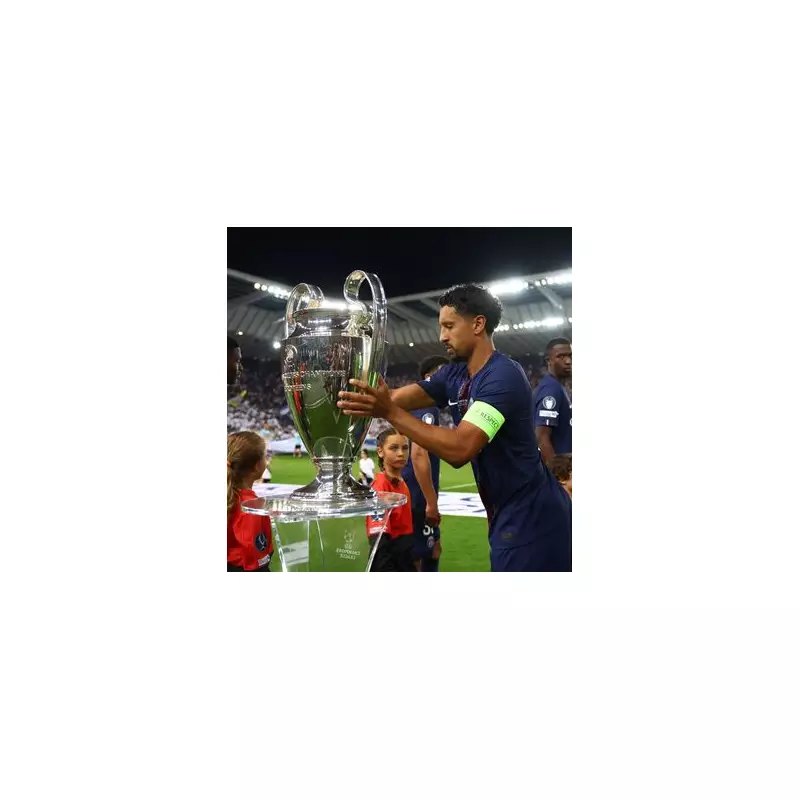
The revamped Champions League format continues to spark intense debate among fans and pundits alike, especially as the final round of the league phase approaches. With PSG currently holding the title as defending champions, understanding the structural shift is crucial for anyone following elite European football.
The Structural Shift to a Swiss Model
In a significant departure from tradition, the classic group stage has been completely overhauled. It has been replaced by a single league table that now features 36 clubs, up from the usual 32. This innovative approach, known as the Swiss model, ensures that every team competes against eight different opponents throughout the season. Gone are the days of facing the same three sides twice in a home-and-away setup, which many argued led to repetitive and predictable fixtures.
Increased Match Volume and Early Excitement
One of the primary drivers behind this change is the deliberate increase in the total number of fixtures played. By expanding the calendar, UEFA has created more opportunities for high-profile matchups between elite clubs to occur much earlier in the competition. This strategic move aims to boost interest and engagement from the very start, keeping fans on the edge of their seats throughout the entire league phase.

Financial Motivations and Revenue Growth
Beyond the pitch, the revamped structure is meticulously designed to maximise commercial revenue and broadcasting rights for all participating teams. With more games on the schedule, there are inevitably higher ticket sales and more lucrative sponsorship deals across the global market. This financial boost is essential for clubs looking to invest in top talent and infrastructure, ensuring the competition remains a pinnacle of football excellence.
Competitive Integrity and Eliminating Dead Rubbers
A key goal of the new system is to eliminate so-called dead rubber matches, where teams have nothing left to play for in the final weeks of the opening round. Under the Swiss model, every goal and point directly affects a team's position in the massive league table. This keeps the stakes incredibly high until the very last whistle, fostering a more competitive and thrilling environment for players and supporters alike.
The Knockout Pathway and Added Jeopardy
In this new format, only the top eight teams qualify directly for the round of 16, while those finishing from ninth to 24th must endure a tense two-legged play-off. This adds an extra layer of jeopardy for mid-table clubs and rewards those who demonstrate consistent performance throughout the league phase. It ensures that every match matters, from the opening game to the final showdown.
Changes to the European Ecosystem
A major regulatory shift sees teams no longer dropping down into the Europa League after being eliminated from the Champions League. This change is intended to protect the prestige of the secondary competition while ensuring the Champions League remains the ultimate test of elite consistency. It reinforces the hierarchy of European football, making qualification and success in the Champions League even more coveted.
For those eager to catch all the action, the UEFA Champions League is broadcast on TNT Sports, available through the TNT Sports Prime Video channel. A monthly subscription also includes select Premier League and FA Cup fixtures, offering comprehensive coverage for football enthusiasts.