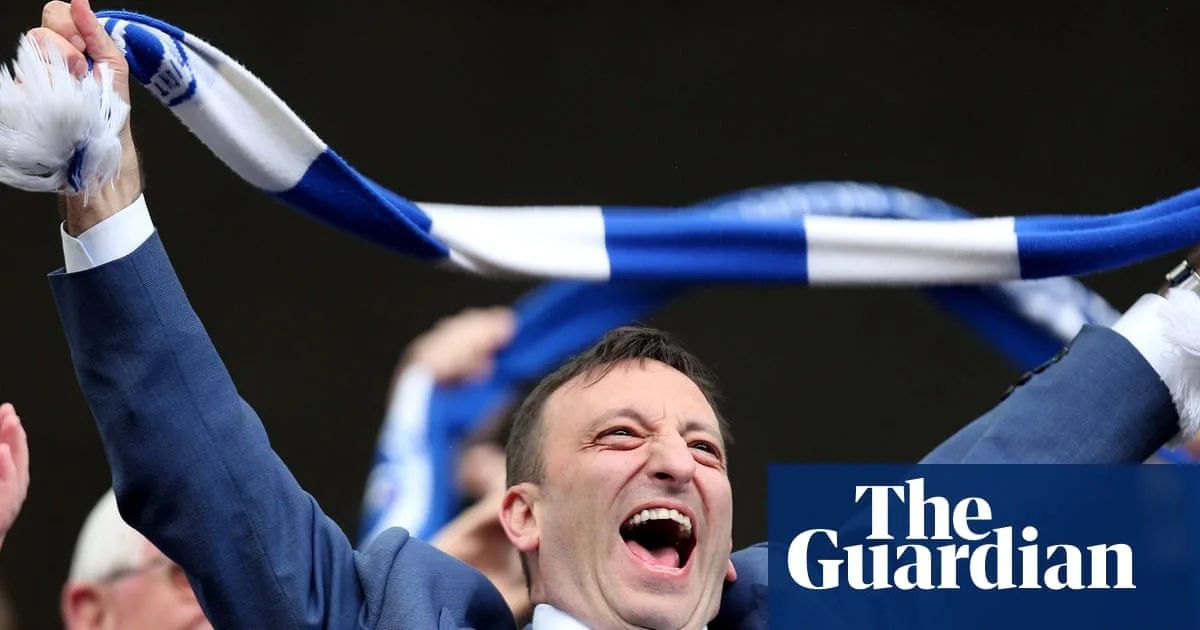
Brighton & Hove Albion has been accused of setting a 'dangerous precedent' after banning Guardian reporters and photographers from home matches following coverage of allegations concerning club owner Tony Bloom. The Premier League club notified the Guardian late on Saturday that it would be 'inappropriate' to accredit journalists and photographers for matches at the Amex Stadium, starting with Sunday's game against West Ham.
The Guardian reported last week that Bloom, a billionaire who made his fortune from gambling, is being sued in a high court lawsuit alleging that 'frontmen' were sometimes used when his gambling syndicate placed bets on sports events. A second story focused on allegations that Bloom could be an anonymous gambler behind $70m (£52m) in winnings, including bets on his football teams. Bloom has denied betting on his own teams or competitions involving them, calling such allegations 'entirely false'.
MPs, media and supporter groups criticised the ban as an attack on press freedom. Dawn Alford, chief executive of the Society of Editors, said it was 'deeply concerning', while Caroline Dinenage, chair of the Commons culture select committee, called it part of 'a concerning trend of football clubs restricting access to journalists'. The Football Supporters' Association backed the right of journalists to ask questions without fear of a ban.
Anna Sabine, the Liberal Democrat culture spokesperson, said the ban 'completely flies in the face' of press freedom. Owen Meredith, chief executive of the News Media Association, described it as 'a deeply troubling attack on press freedom', warning that 'if football clubs pick and choose who gets to scrutinise them, we are not in a world of sport, but censorship'. The News Media Coalition urged Brighton to reconsider.
A Brighton spokesperson said the decision was not taken lightly and that the club gave the Guardian more than 24 hours to 'remove or add some balance to the offending story'. The Guardian has not commented on the ban.