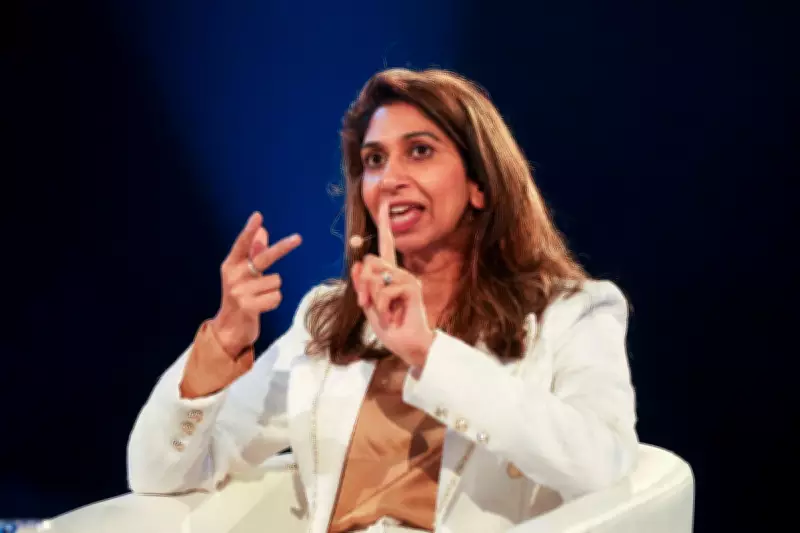
Reform MP Suella Braverman has launched a scathing attack on the Football Association (FA), demanding it scrap its diversity target for England men's coaching staff. In a formal letter to FA chief executive Mark Bullingham, Braverman labelled the policy "utter woke nonsense" and "inherently racist," arguing it prioritises identity politics over merit.
FA's Diversity Strategy Under Fire
The FA's target, set to be achieved by 2028, aims for at least 25 per cent of coaching staff across all England men's age levels to come from non-white backgrounds. This initiative is part of a broader strategy to enhance representation, foster inclusion, and combat discrimination within football. However, Braverman contends that such quotas undermine the principle of hiring based on skill and experience.
Braverman's Alternative Proposal
In her correspondence, Braverman proposed replacing the current diversity strategy with a new principle: "The Best Person for the Job." She emphasised that football coaching should be based solely on merit, rather than demographic quotas, to ensure fairness and excellence in the sport. This stance aligns with her broader political views against what she perceives as excessive woke policies in public institutions.

FA's Defence of the Policy
Mark Bullingham, the FA's chief executive, has previously defended the diversity target, stating it is essential for driving positive change in football. He highlighted that the strategy seeks to address historical underrepresentation and create a more inclusive environment for all participants. The FA maintains that diversity in coaching can enrich the sport by bringing varied perspectives and experiences to the table.
Broader Implications for Sports Governance
This controversy raises significant questions about the balance between promoting diversity and upholding meritocracy in sports. Critics of Braverman's position argue that without proactive measures, systemic barriers may persist, limiting opportunities for underrepresented groups. Conversely, supporters of her view warn that enforced quotas could lead to tokenism and resentment, potentially harming team dynamics and performance.
The debate is likely to intensify as the 2028 deadline approaches, with stakeholders across football and politics weighing in on the best path forward for inclusion in the sport.