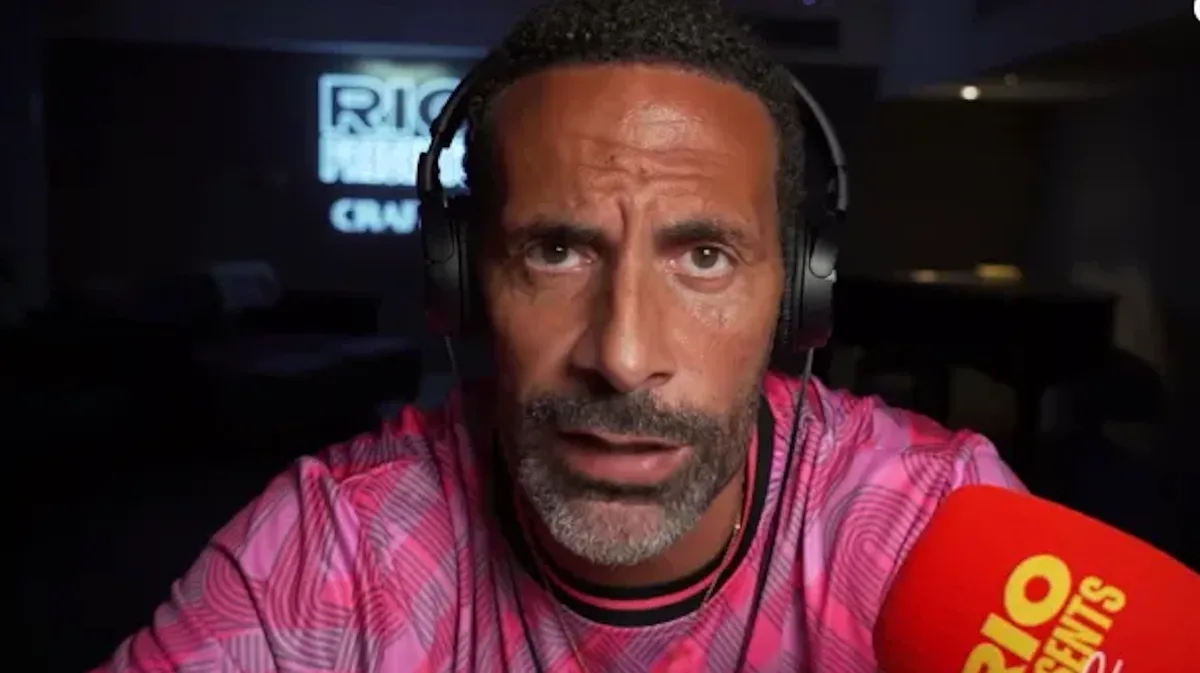
Rio Ferdinand has revealed he was not surprised by Manchester United's decision to sack Ruben Amorim, citing a recent training ground visit where he noticed a marked change in the manager's demeanour. The former United defender said the Portuguese's record as head coach was the worst of any post-Ferguson era manager, which ultimately sealed his fate.
United confirmed on Monday that Amorim had been dismissed despite guiding the team to a Europa League final and improving their league position to sixth. The club's statement said the decision was made to give the team the best chance of a strong finish, with Darren Fletcher taking interim charge for Wednesday's match against Burnley.
Speaking on his YouTube channel, Ferdinand said he did not anticipate the sacking when he woke up, but upon reflection, Amorim's record made the decision inevitable. 'His record is the worst of any United manager since Sir Alex Ferguson,' Ferdinand noted, adding that two managers who criticised the hierarchy had been sacked immediately.
Ferdinand highlighted a recent visit to the training ground to interview Bruno Fernandes, where he observed a 'coldness' in Amorim that contrasted with his usual warm and open manner. 'The last time I went there, I noticed immediately that there was a coldness about him,' Ferdinand said. 'Now I look back with hindsight, things were starting to cook before Christmas.'
Amorim's remarks after Sunday's 1-1 draw with Leeds United also drew criticism, as he stated: 'I came here to be the manager of Manchester United, not to be the coach... I know my name is not Tuchel, it's not Conte, it's not Mourinho, but I'm the manager.' Ferdinand believes these comments reflected the growing tension between Amorim and the club's hierarchy.