A Historic Parallel: 1955's Scottish Football Landscape Resurfaces
The year 1955 occupies a unique place in British history. Winston Churchill resigned as prime minister, Clement Attlee stepped down as Labour leader, commercial television began broadcasting via an ITV franchise, and Kim Philby was exposed as the 'third man' in the Cambridge Spy Ring. Yet for followers of Scottish football, 1955 represents something far more specific: a collector's item season where neither Celtic nor Rangers claimed a major honour.
The 1955 Blueprint: A Season Without Old Firm Dominance
Some seventy-one years later, that moment in time still resonates powerfully. Aberdeen were crowned champions that year, although fifth-placed Hibernian competed in the inaugural European Cup the following season as they were the only Scottish club with floodlights. Clyde won the Scottish Cup after defeating Celtic in a replay, while Hearts claimed the League Cup for the first time by overcoming Motherwell.
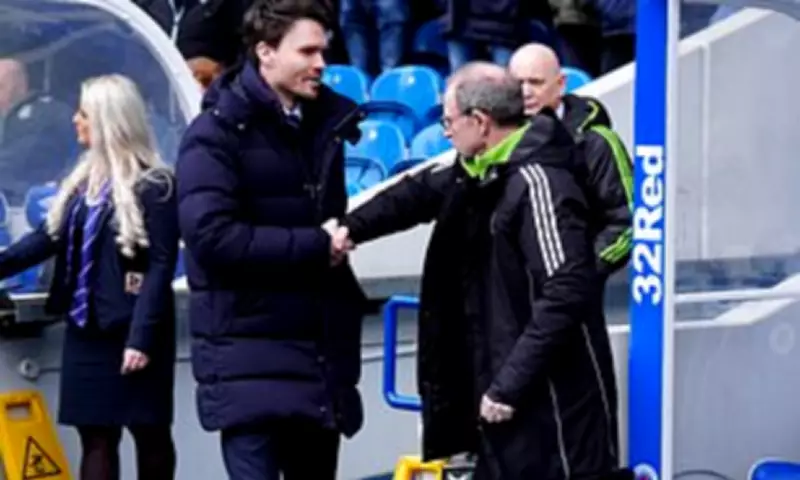
This was the third and final occasion in Scottish football history where both halves of the Old Firm ended a campaign without silverware. As current managers Danny Rohl and Martin O'Neill prepare to cross swords again this Sunday, the question arises: could they both end up empty-handed once more?

The Modern Landscape: Hearts in Pole Position
St Mirren already have the League Cup secured under lock and key. Either Rangers or Celtic will exit the Scottish Cup at Ibrox on Sunday when they meet in a crucial quarter-final clash. Meanwhile, Hearts have occupied top spot in the Scottish Premiership since September and display all the hallmarks of champions as the season's home straight comes into view.
We are living through genuinely interesting times in Scottish football. Since time immemorial, a poor season for one half of the Old Firm has invariably meant a bountiful one for the other. This year might prove different. While both Celtic and Rangers could theoretically still win the double, you would receive long odds against that outcome. Both clubs appear too vulnerable to produce the perfect finish required across both remaining competitions.
Vulnerability and Intrigue in Equal Measure
The smart money would be on one of Glasgow's giants ending up empty-handed come May. It is entirely plausible that both might not win a single trophy. This fear of having nothing to show for their efforts adds another compelling layer of intrigue to the latest skirmish unfolding on Glasgow's south side, just one week after honours were scored even in league business.
As treasured as the Scottish Cup has always been and always will be, ordinarily winning it would be seen as secondary in importance compared to league success. Perhaps not this year. With Hearts enjoying a five-point buffer at the Premiership summit, the importance of the national knockout tournament to Celtic and Rangers has been dramatically amplified. If any side's season is going to be salvaged, then Sunday at Ibrox represents an opportune time and place to begin that process.
Rohl's Rapid Education in Glasgow Pressure
If Danny Rohl needed a crash course in exactly what he signed up for as Rangers' head coach, the past week has provided it. At half-time last Sunday, the German was being lionised by his club's supporters. Deservedly two goals up after dominating a Celtic side that looked shell-shocked, the question seemed not whether Rangers would win but by what margin.
Brought trackside to conduct the half-time draw, former Rangers striker Tore Andre Flo was so impressed with what he witnessed that he changed his score prediction from 5-1 to 5-0. Rangers actually restarted the game well, but the entire flow of the match flipped on a casual backheel from two-goal Youssef Chermiti.
Did Rohl's men run out of gas or belief? Did Celtic figure out how to play against an aggressive 4-2-2-2 formation? Whatever the reason, Rangers players and fans entered panic mode from the moment Kieran Tierney halved the arrears. Had Reo Hatate scored a penalty rebound any earlier than the 91st minute, Celtic would have been fancied to complete the comeback.

The Aftermath: A Draw That Felt Like Defeat
The manner of the game's conclusion ensured Rohl received significant criticism from many of his own supporters in the days that followed. Three successive draws on the road might have been forgiven if Ibrox had remained a fortress. But after seven straight home victories, this 2-2 draw felt more like a defeat.
It left Rangers six points behind Hearts with nine games remaining, two of which are difficult trips to Tynecastle and Celtic Park. Rohl had been praised to the heavens for reducing a thirteen-point gap to the leaders to just two, but the response to then engaging reverse gear proved savage. His side now need to be perfect while hoping for favours from elsewhere.
Celtic's Own Concerns Amid Comeback Euphoria
In truth, the outcome did Celtic few favours either. Amid the euphoria that accompanied their spirited comeback, the side's inability to deliver a complete ninety-minute performance was not lost on anyone. This marked the fourth domestic game in five where Martin O'Neill had needed an injury-time goal to either win or draw. Seven league defeats by March do not normally create championship material.
With Rangers and Hearts both due at Celtic Park after the split, and O'Neill's men winning their game in hand at Pittodrie on Wednesday, they are evidently in better league shape than their Ibrox counterparts. But not by a significant margin.
Key Players and Critical Dependencies
Benjamin Nygren has proven an outstanding signing for Celtic, notching his nineteenth goal against Aberdeen. Without his contributions, Celtic would likely be sitting fourth in the table. For Celtic to stand any chance of finishing the season with silverware, it is imperative the Swedish striker remains fit and available. Goals are simply not coming from elsewhere in sufficient quantity.
Rohl has slightly more options in his attacking basket. Chermiti looks a different player from the one who laboured badly earlier in the season, with all but one of his nine goals coming against Celtic or Hearts. Bojan Miovski has ten to date, while Ryan Nediri has two in six matches. Given the shambolic situation he inherited, the German coach deserves credit for guiding Rangers into contention for two trophies. Only if he delivers one or both, however, will the season be deemed a true success.
The Stakes Could Not Be Higher
The fear among Rangers supporters is that a loss to their great rivals in the Scottish Cup would shatter morale just as the title race reaches its boiling point. Former Celtic striker Chris Sutton observed: 'I think Danny Rohl needs it more than Martin O'Neill. The reason I say that is Martin O'Neill as a manager this season has twice come in and kept Celtic hanging on in a title race. The Celtic fans aren't going to blame Martin O'Neill for the mess the club has been in this season.'
With three times the number of visiting fans inside Ibrox compared to a week ago, this derby will possess a retro feel. The abolition of replays means one link with the past has disappeared—come what may, the issue will be decided on the day. Few will view this as a negative development.
Historical Precedent and Present Pressure
When the sides last met in front of fans in the cup at Ibrox fifteen years ago, a 2-2 draw with a red card apiece served merely as the warm-up for the main event on a midweek night at Celtic Park. That was the so-called 'shame game' where the Scottish Government ludicrously called a summit after two more red cards (both for Rangers) and heated touchline exchanges followed a 1-0 Celtic victory.
Given the current composition of the league table, if anything, the stakes for this encounter are even higher. What price a little historical revision by the time this utterly engrossing campaign has played out? The ghosts of 1955 are watching with particular interest.