Wrexham's Financial Paradox: £13m Loss Amidst Record Turnover Under Hollywood Owners
Wrexham AFC, the football club owned by Hollywood stars Ryan Reynolds and Rob McElhenney, is projected to incur a substantial loss of £13 million for the 2024/25 season. This financial setback comes despite the club achieving an unprecedented turnover of £33.3 million during the same period, highlighting the complex economic realities of their rapid ascent through the football leagues.
Unprecedented Revenue Growth and Soaring Costs
The Red Dragons' remarkable financial performance saw their revenue surge into eight-figure territory, a feat largely attributed to the global appeal generated by Reynolds and McElhenney's involvement. However, this success has been accompanied by escalating expenses, with operating costs ballooning to £14.8 million for the year ending June 2025, a stark increase from the previous year's £2 million. The wage bill alone skyrocketed by 74%, reaching £19.9 million due to player bonuses and salary enhancements.
A club director emphasised the strategic vision behind these investments: "The club's overarching objective is to achieve sustained sporting success by progressing each of its senior teams through their respective divisions to the highest possible level at the earliest appropriate opportunity. This is pursued through targeted investment in playing squads, high-quality football operations, and the development of a sustainable player pathway supported by strong academy provision."

International Appeal and Sponsorship Dynamics
Wrexham's financial landscape has been significantly shaped by international interest, with 57.7% of their revenue originating from overseas, particularly North America. Sponsorship revenue increased by 31% to £17.3 million, bolstered by the Amazon documentary series 'Welcome to Wrexham', which continues to attract new investors and has a fifth season scheduled for May. While the documentary does not directly generate income for the club, it serves as a unique global marketing platform that enhances brand engagement and commercial development.
Additionally, payments totalling £5.3 million were made to companies owned by Reynolds and McElhenney for sponsorship growth services. Reynolds' Maximum Effort earned approximately £2.6 million, while McElhenney's 'Mac's More Better' received around £1.4 million in commissions and consultancy fees. The directors defended these arrangements, stating they are regularly reviewed to ensure alignment with market norms and have supported growth in sponsorship, retail, and partnership revenues.
Financial Challenges and Future Prospects
The club faced a significant financial blow with a £3.8 million write-off due to the insolvency of UK currency brokerage Argentex in July last year, though they remain optimistic about recovering a substantial portion through administrators. On a positive note, the debt profile improved as a £27.5 million loan was repaid following a major investment from Apollo Sports Capital in December, which directors say strengthened the club's financial position.
Looking ahead, Wrexham is embarking on ambitious infrastructure projects, including the construction of a new 7,500-seat Kop Stand at the Racecourse Ground, estimated to cost £69.3 million, with £17 million committed by the Welsh government. This expansion aims to increase stadium capacity to over 18,000, creating further opportunities for revenue growth from matchday and non-matchday activities.
Sporting Success and League Position
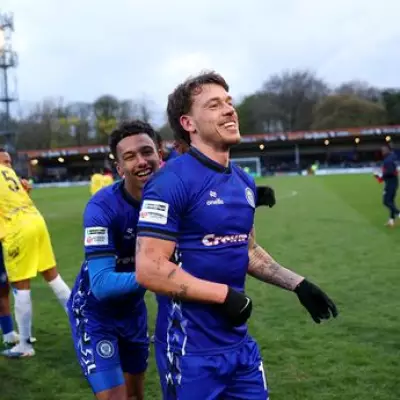
On the pitch, Wrexham's performance has been impressive, with the club currently sitting 7th in the Championship, level on points with 6th-placed Southampton. With seven matches remaining, the Saints' superior goal difference is the only barrier keeping Wrexham out of the play-off spots, underscoring the competitive edge fostered by their financial investments.
This financial report underscores the dual narrative of Wrexham's journey: a story of remarkable commercial growth and sporting ambition, tempered by the high costs of rapid progression in modern football. As the club continues to navigate these challenges, the focus remains on balancing investment with sustainability to secure long-term success.