Cricket Boss Warns: T20 Leagues Threaten International Game's Future
T20 Leagues Threaten Future of International Cricket

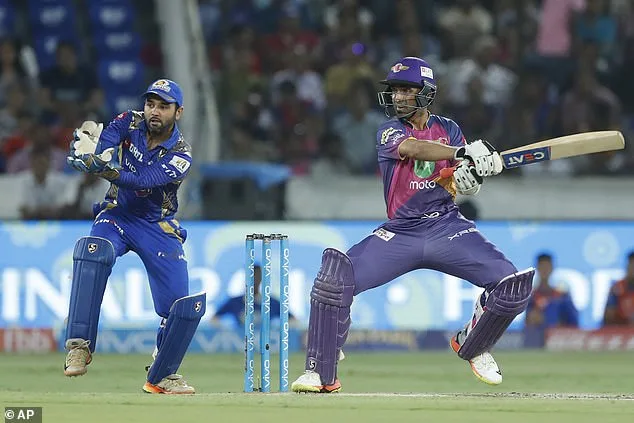
The future of international cricket is under serious threat and could be relegated to a sideshow unless the sport's global administrators take urgent action, a leading players' representative has warned.

The Looming Crisis: Players Choosing Leagues Over Country

Paul Marsh, chief executive of the Australian Cricketers' Association (ACA), has issued a stark warning that the rapid growth of domestic T20 leagues is cannibalising the traditional international game. Speaking on The Final Word Cricket Podcast, Marsh pointed to alarming data showing the shifting priorities of modern players.

Recent polling indicates that 60 per cent of cricketers worldwide would willingly give up an international contract in favour of a lucrative domestic T20 deal. This trend, Marsh argues, is pushing the future of fixtures between nations into dangerous territory. "I'm not saying it disappears, but it will go backwards and the numbers are showing that's already happening," he stated.

Marsh highlighted that the public are not blind to the issue. "If you can't see what's happening around the world with players walking away from international cricket, we're not far away from this happening in our own country...and the public aren't idiots," he said. The central fear is that fans will stop watching if the best players are consistently absent, prioritising franchise commitments over their national teams.

The Prescription: Protected Windows and Financial Support

To combat this existential threat, Marsh proposes a clear solution: the creation of dedicated, protected windows in the global calendar exclusively for international cricket. "Then you actually know you're going to have players who aren't conflicted who will play in those windows. That's what has to happen," he explained. Without this, he fears a future where "international cricket will be where it is, but then they'll just put league cricket over the top of it."

Financial sustainability for all cricketing nations is also key. Marsh warned that the sport is currently on a path where only the 'big three' of Australia, England, and India might be able to sustain top-level international cricket. He first raised this concern in an article eleven years ago. "But the game could arrest this by actually investing money in the countries that need it," he asserted, emphasising that boards must be financially able to prioritise their international teams.

While acknowledging that most current Australian stars, like Mitchell Starc—who has reportedly forgone an estimated $10 million in earnings to prioritise Test cricket—are committed to the international format, Marsh cautioned against complacency. He stressed it cannot be assumed the next generation will share the same values.

Moral and Commercial Dilemmas: Saudi Money and Gambling

The conversation also turned to two contentious issues facing the sport: external investment and gambling. With the recent announcement of a high-profile women's T20 tournament in Saudi Arabia set for next year, Marsh addressed the moral dilemmas such partnerships can create, given the country's laws on same-sex activity.

His stance was pragmatic. "The sport needs money, that's the reality of it," Marsh said. "We can get all precious and principled about this but the players need to get paid for the game to keep moving forward."

On the issue of gambling in cricket, Marsh expressed sympathy with the views of Australian Test opener Usman Khawaja, who earlier this year urged Prime Minister Anthony Albanese to remove all betting from sport. Marsh voiced concern over the "normalisation" of gambling, particularly in broadcasts, and its impact on younger fans. "I think problem gambling is harmful, there's no doubt about that," he stated, aligning himself with Khawaja's frightening observations of the past decade.

Marsh's overarching message is one of urgent preservation. "We've got to try and protect international cricket, we can't take that for granted any more," he concluded. "We know this is at risk now."