India and Pakistan Captains Fail to Shake Hands Before T20 World Cup Clash
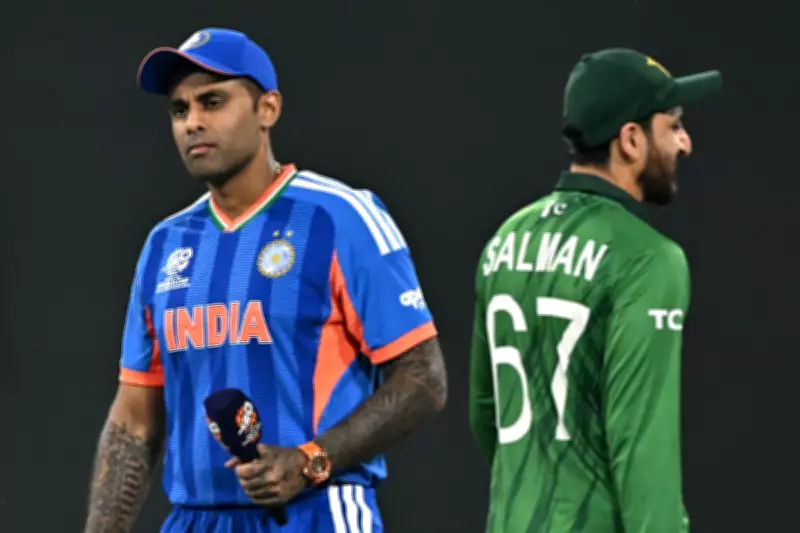
The captains of India and Pakistan, Suryakumar Yadav and Salman Agha, notably avoided shaking hands at the toss ahead of a highly anticipated T20 World Cup match in Colombo. This breach of customary protocol occurred after Pakistan won the toss and elected to field, with both skippers walking past each other without any gesture of sportsmanship.
Escalating Tensions in a Historic Rivalry
The incident unfolded against a backdrop of escalating diplomatic and sporting tensions between the two nations. Pakistan had previously threatened to boycott the fixture in Colombo, citing solidarity with Bangladesh, another of India's neighbouring countries. Bangladesh withdrew from the T20 World Cup after requesting their matches be moved to Sri Lanka, where all of Pakistan's games are already scheduled, due to safety concerns amid growing regional tensions.
Following discussions with the International Cricket Council (ICC), Pakistan ultimately agreed to fulfil the Group A fixture. However, the pre-match handshake snub highlighted the strained relations that continue to overshadow what is widely regarded as the world's most-watched cricket fixture, a match that significantly underpins global cricket revenue.

A Pattern of Diplomatic Snubs
This is not an isolated incident in the recent history of India-Pakistan cricket encounters. In three meetings during last year's Asia Cup, Yadav similarly refused to engage in a handshake with his counterpart Agha. Furthermore, India declined to accept the Asia Cup trophy from Asian Cricket Council president Mohsin Naqvi, who also serves as the chairman of the Pakistan Cricket Board (PCB) and as Pakistan's interior minister.
The recurring nature of these diplomatic snubs suggests a deeper political rift influencing on-field etiquette.
The Match Context and Early Action
On the field, the match began with Pakistan making a strong start after winning the toss. Captain Salman Agha removed Indian opener Abhishek Sharma in the very first over, applying early pressure. Both teams entered the contest tied on four points, having each secured victories in their first two games of the tournament.
The absence of the traditional handshake, a small but symbolic act of respect, cast a long shadow over the sporting contest, reminding spectators and officials alike of the complex geopolitical realities that continue to shape this iconic cricket rivalry.