England Captain Harry Brook Breaks Silence on 'Terrible Mistake' After Bouncer Incident
England cricket captain Harry Brook has spoken out for the first time about his altercation with a nightclub bouncer in New Zealand, describing his actions as a 'terrible mistake' while acknowledging his fortune in retaining his leadership position. The 26-year-old cricketer faced disciplinary action from the England and Wales Cricket Board following the incident, which occurred on the eve of a One Day International match in Wellington.
Disciplinary Action and Leadership Concerns
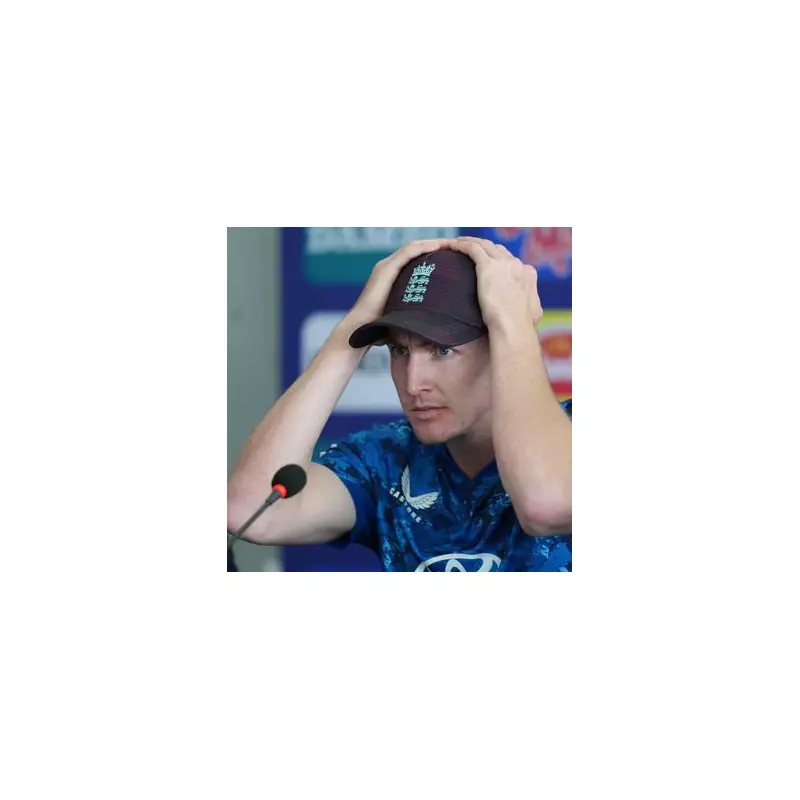
Brook received a fine and a formal warning about his future behaviour from the ECB after the nightclub incident. Speaking at a press conference in Colombo, the Yorkshire batsman revealed he had decided to go out alone in Wellington and was struck by a bouncer while attempting to enter a nightclub. 'I made a terrible mistake, not only as a player, but as a captain,' Brook admitted. 'It's very unprofessional and I should be leading from the front and showing the players how it should be as a professional cricketer and a captain.'
The incident took place during England's tour of New Zealand, which served as preparation for their troubled Ashes series in Australia. Brook, who was appointed white-ball captain in April and promoted to Test vice-captain in September, managed to avoid losing his leadership roles despite the serious nature of the incident.

Apology and Damage Control
Brook issued a formal apology after news of the incident emerged following the final Ashes Test in Sydney. 'I want to say sorry to my team-mates and to all the fans that travel far and wide and spend a lot of money to watch us play cricket,' he stated. 'We went out for a couple of drinks beforehand and then I took it upon myself to go out for a few more and I was on my own there.'
The England captain revealed he disclosed the incident to the ECB during the Wellington ODI, a decision he believes prevented more severe punishment. However, he confessed to genuine fears about being dismissed as captain. 'I trusted the ECB in telling them that I made a mistake and thankfully I'm still playing cricket for England and that's a childhood dream,' Brook shared.
Wider Context and Team Culture Questions
Brook's incident occurred amidst England's 4-1 Ashes defeat in Australia, which raised questions about team preparation and alleged behavioural issues. The controversy followed a mid-Ashes trip to Noosa where players were spotted drinking in bars, leading to speculation about a potential 'drinking culture' within the squad.
'I don't think there's a drinking culture at all,' Brook countered. 'We're all old enough and grown up enough to be able to say no if we don't want to drink. It wasn't just drinking. We weren't just going out and getting leathered every day. We were having a few drinks here and there.'
Organisational Response and Future Implications
The situation has placed additional pressure on head coach Brendon McCullum, whose future beyond the upcoming Sri Lanka tour and T20 World Cup remains uncertain. ECB chief executive Richard Gould has initiated a formal review of the Ashes tour with particular focus on player behaviour.
Changes are already being implemented, with the team and ECB agreeing to several new restrictions including a midnight curfew while on the sub-continent. Brook is scheduled to captain England during their six-match tour of Sri Lanka ahead of the T20 World Cup campaign beginning in Mumbai on 9 February.
Rebuilding Trust and Moving Forward
The Yorkshire batsman acknowledges he faces significant work to rebuild his reputation within the squad. 'I think I've got a little bit of work to do to try and regain the trust of the players,' Brook acknowledged. 'I said sorry to them yesterday. I felt like I needed to say sorry for my actions. It's not acceptable as a player, but as a captain it's really not acceptable to do what I did in New Zealand.'

Brook reflected on the potential consequences of his actions, stating: '[Resigning] never came into my mind. I left that decision to the hierarchy and look, if they'd have sacked me from being captain, then I'd have been perfectly fine with it as long as I was still playing cricket for England.'