England's upcoming white-ball tour of Sri Lanka has assumed far greater importance than initially planned, following a deeply disappointing and controversial Ashes series in Australia.
Fallout from a Damaging Ashes Tour
What was intended as a straightforward warm-up series ahead of next month's T20 World Cup will now be scrutinised intensely. This follows a bruising trip Down Under where England slumped to a 4-1 Ashes defeat. The tour was marred not just by on-field results, but by significant questions over preparation, professionalism, and allegations of a problematic team culture.
The series began with a crushing loss in Perth, followed by defeats in Brisbane and Adelaide which saw Australia retain the urn. England's contentious decision to forgo traditional warm-up matches was heavily criticised. A solitary victory in Melbourne provided little consolation before another loss in Sydney.

Off-field incidents compounded the misery. A team trip to Noosa after the Brisbane Test, where players were seen drinking publicly and Ben Duckett appeared disorientated on video, drew widespread ire. As the tour concluded, captain Harry Brook found himself at the centre of a fresh controversy.
Captain Brook in the Spotlight
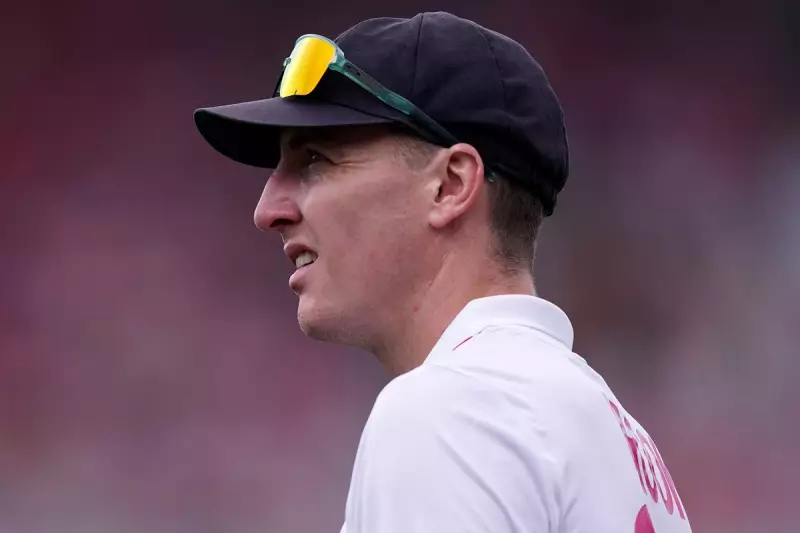
The white-ball skipper and Test vice-captain faced disciplinary action after reports emerged from England's prior tour of New Zealand. It was revealed that Brook and teammate Jacob Bethell were filmed drinking in a nightclub the night before a match. Further reports in the Telegraph detailed an altercation between Brook and a nightclub bouncer that same evening.
The England and Wales Cricket Board (ECB) confirmed the 26-year-old had been fined and warned about his conduct. Brook subsequently issued a public statement apologising for his actions. Despite the turmoil, head coach Brendon McCullum has been retained to lead the team across all formats.
A Gruelling Schedule and World Cup Challenge
The squad faces a demanding schedule. After arriving in Christchurch for their New Zealand opener on October 15, they contested the Ashes from November 4 to January 9. Following barely a week at home, the team flew to Sri Lanka on Sunday 19 January 2026 for a six-match tour comprising three ODIs in Colombo and three T20s in Pallekele, Kandy.
This leg directly precedes the T20 World Cup, co-hosted by India and Sri Lanka, which begins for England against Nepal in Mumbai on February 9. If they progress to the final, their arduous winter will not conclude until March 8, raising serious questions about player workload and the sustainability of the all-format schedule.
England's recent white-ball form offers a mixed picture. They suffered group-stage exits at the 2023 World Cup and last year's Champions Trophy, leading to Jos Buttler's departure as captain. Their 50-over record is poor, with just one series win in their last seven. The T20 format has been brighter, losing only one of their last eight completed matches and posting a world-record score against South Africa in September. However, a sub-continent World Cup presents a formidable challenge for Brook's side as they seek a third title.