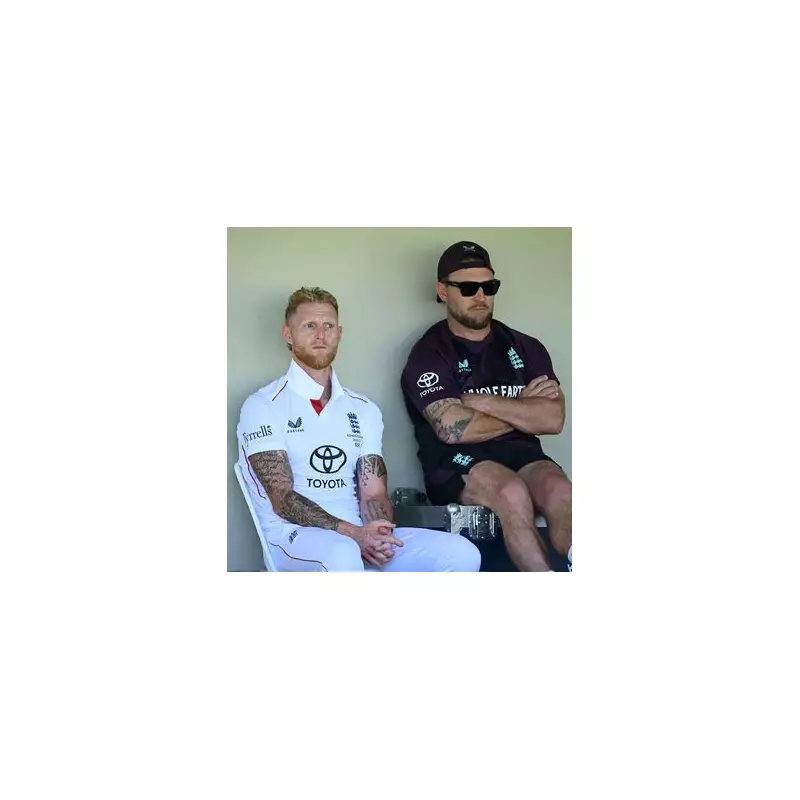
The immediate fallout from England's latest Ashes humiliation in Australia has seen coach Brendon McCullum and captain Ben Stokes bear the brunt of the criticism. However, a deeper look reveals that the true responsibility for a failing culture may lie higher up the chain of command.
The Brook incident that exposed a lax culture
Just before the disastrous tour, Harry Brook, then captaining the one-day side in New Zealand, was involved in an altercation with nightclub security. The incident occurred the night before a match, with staff reportedly refusing him entry for being drunk. This breach of discipline was kept under wraps for two months before emerging publicly.
Despite this, Brook was allowed to continue leading the team, receiving only a reported £30,000 fine from the England and Wales Cricket Board (ECB). This failure to impose a meaningful sanction speaks volumes about an environment where standards appear to have slipped.

Complacency at the top of the ECB
While the players' preparation, including leisure time and the infamous 'stag-do' style break in Noosa, has been debated, the core issue is one of accountability at the highest level. ECB chief executive Richard Gould has promised a 'thorough review' of the Ashes campaign, vowing to implement necessary changes.
Yet, there is scepticism about the board's genuine appetite for reform. By the ECB's own commercial metrics – such as attendances, investment, and exposure – things are booming. The Hundred is considered a success, and upcoming English summer fixtures are expected to sell out. An Ashes defeat, beyond the embarrassment, carries little material consequence for the board's bottom line.
Where the real accountability lies
This commercial insulation breeds a dangerous complacency. If tickets for the 2027 Ashes went on sale tomorrow, they would vanish instantly. This reality means the pressure to foster a truly elite, disciplined performance culture can sometimes be secondary to maintaining a successful business operation.
The decision by management to allow an England captain to lead his side the day after a nightclub altercation sends a poor message about the gravitas of the role. While McCullum and Stokes are rightfully accountable for on-field strategy and results, the tone is set from the top.
The senior management, specifically Richard Gould and managing director of England men's cricket Rob Key, are the figures who should be most rigorously examined. They oversee the environment that permitted such lapses in discipline and must answer for the overarching culture that contributed to the Ashes 'debacle'.