
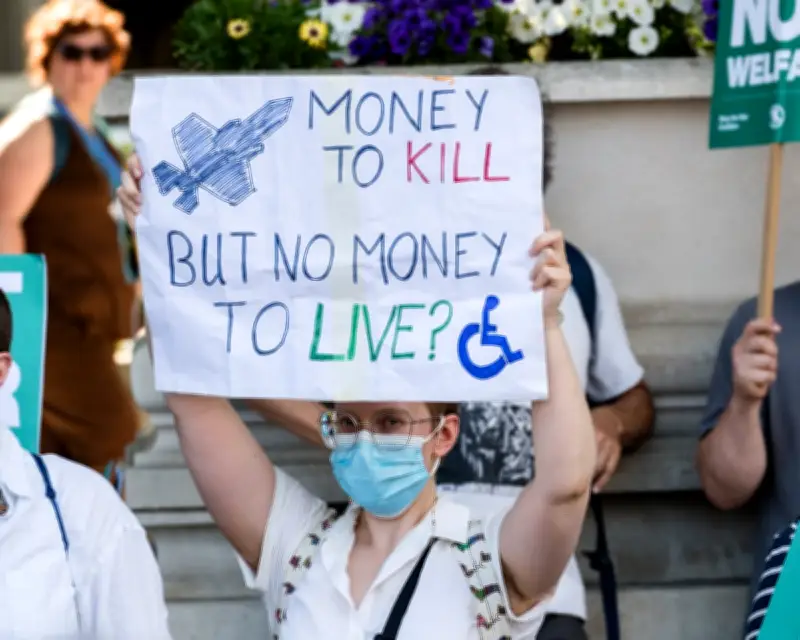
Interim Pip Review Condemns Current System
Stephen Timms, the disability minister tasked with reforming personal independence payments (Pip) after Labour MPs forced Keir Starmer to U-turn on cuts last summer, did not pull his punches in his interim report. The entire assessment system must be redrawn as part of a 'radical' welfare overhaul, he warned, as disability benefits are 'not fit for purpose'. The process, he added, is not simply widely ineffective but 'dehumanising' for disabled people.
That judgment aligns with the views of campaigners, charities, and thinktanks, who have argued for years that Pip, introduced by the Coalition government in 2013, has led to a system plagued by basic errors, insensitivity, and widespread wrongful rejections, resulting in increased poverty and food bank use and, in extreme cases, deaths.
What a Radical Overhaul Could Entail
What exactly a 'radical' overhaul should entail will be less easy to agree on. Labour MPs will have to wait until the autumn for Timms' detailed recommendations. But the interim findings give some hints. The points-based system used to assess disabled people's day-to-day needs faces the heaviest criticism in the report. Timms argues there should be a new system that 'adequately reflects the diverse reality and needs of disabled people today', particularly the growth in fluctuating or less visible conditions such as depression, which are 'harder to evidence'.
Campaigners will likely push for new rules to give more weight to evidence from disabled people's own doctors. Claimants have long reported that the system disregards detailed medical records in favour of brief, function-based questions asked by private assessors, often unqualified in their condition. Pip assessors include paramedics and physiotherapists.
Report Aims to Build Trust
The report, prepared in collaboration with disabled people in what is the largest co-production undertaken at national level, includes elements aimed at winning the trust of both claimants and left-leaning MPs. It counters media claims of a 'bloated welfare bill' by acknowledging that total benefit expenditure as a proportion of GDP has remained roughly the same in recent years, despite rises in Pip spending. It also accepts that the population has genuinely become sicker due to the pandemic, NHS backlogs, and the cost of living crisis.
Concerns Over Work Conditionality
Nonetheless, there will be alarm over the report's admission that the next stage in the autumn will examine how any new assessment could help people to work where able, despite Pip being paid to disabled people regardless of their job status. Timms argues that the current assessment acts as a barrier to work by encouraging claimants to focus on the worst of their condition. This finding will concern ministers given the growing numbers of young people unemployed due to ill health.
Any attempt to add conditionality to Pip or link its receipt to whether a disabled person uses it for work would be passionately opposed by campaigners and Labour backbenchers. Some were frustrated last summer over how Pip was misrepresented by colleagues on media rounds as an out-of-work benefit, apparently to justify Starmer's cuts.
Political Pressure on Burnham
The government is keen to stress the goal of the Timms report is not to reduce public spending; finding cuts is notably not included in the review's current remit. But Andy Burnham will come under pressure to lower the benefits bill, with sections of the rightwing media already lobbying him to reduce social security to help fund defence.
If disability cuts last year were a key nail in the coffin of Starmer's leadership, Pip reform will be one of the first big tests for Burnham. Will he oversee the long overdue overhaul of a broken benefits system? And will he resist calls to make cuts part of it? The path he chooses will affect millions of disabled people and send an early signal for what a Burnham government will really mean.




