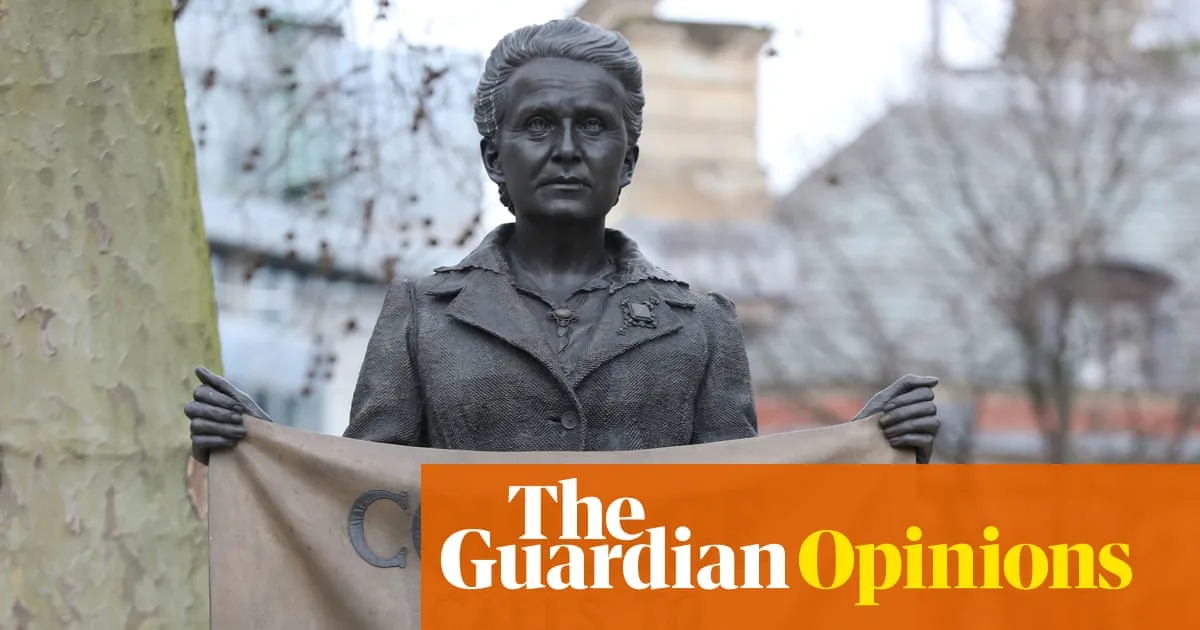
The Women's Library, founded a century ago by suffragist Millicent Fawcett, marks its centenary this year. Originally intended as a home for the suffrage movement's archives, the library has expanded to document women's work, employment, and a wide range of feminist causes. Housed at the London School of Economics (LSE), it holds unique collections including papers from figures such as Barbara Cartland, Mary Stott, and Eglantyne Jebb.
The library's history reflects the ups and downs of the feminist movement. After its Westminster premises were bombed in 1940, it moved temporarily to Oxford. By 1976, historian Jill Liddington described it as a 'forgotten feminist world of dowdiness and neglect.' In 2012, the library ran out of money and left a purpose-built space in East London after just a decade, before being rescued by LSE.
This year's centenary exhibition at LSE highlights key moments and figures, including the Six Point Group led by Lady Rhondda, which campaigned for equal pay for teachers and equality in the civil service. The library also holds archives from Helena Normanton, one of the first female barristers, and materials from the Women's Liberation Movement that fought for equal pay and sex discrimination acts.
The exhibition showcases original artwork from Sheba Press, a small publisher behind a groundbreaking 1984 anthology of poems by black British women, including Jackie Kay and Grace Nichols, and the first UK edition of work by Audre Lorde. Curators also highlight campaigns for children's rights and the work of peace activists and internationalist feminists who opposed imperialism.
While the library is not open to the public on a walk-in basis, researchers can access its precious boxes of letters, diaries, objects, pamphlets, posters, committee minutes, and documents. The centenary serves as a reminder of the ongoing struggle for women's rights, both in the UK and globally, and the importance of preserving feminist history.