White House War Promo Videos Merge Action Movies, Sports and Video Games with Real Combat Footage
Through its official social media channels, the White House has disseminated a series of high-energy promotional videos that intricately blend authentic footage of explosions from the Iran war with iconic scenes from Hollywood action films, popular video games, and dramatic sports highlights. This unprecedented fusion of entertainment and warfare has ignited a fierce debate about the ethical boundaries of government propaganda in the digital age.
A Cultural Collision: Fiction Meets Reality
The videos present a rapid-fire montage of some of the most recognizable elements of 21st-century American pop culture, strategically employed by the Trump administration to bolster support for the newly initiated military engagement with Iran. Clips from blockbuster films such as "Braveheart," "Superman," "Top Gun," "Breaking Bad," and "Iron Man" are seamlessly intercut with declassified imagery purportedly from the conflict zone. Even the animated character SpongeBob SquarePants makes a jarring appearance, asking, "You wanna see me do it again?" between shots of structures and vehicles being destroyed by American ordnance.
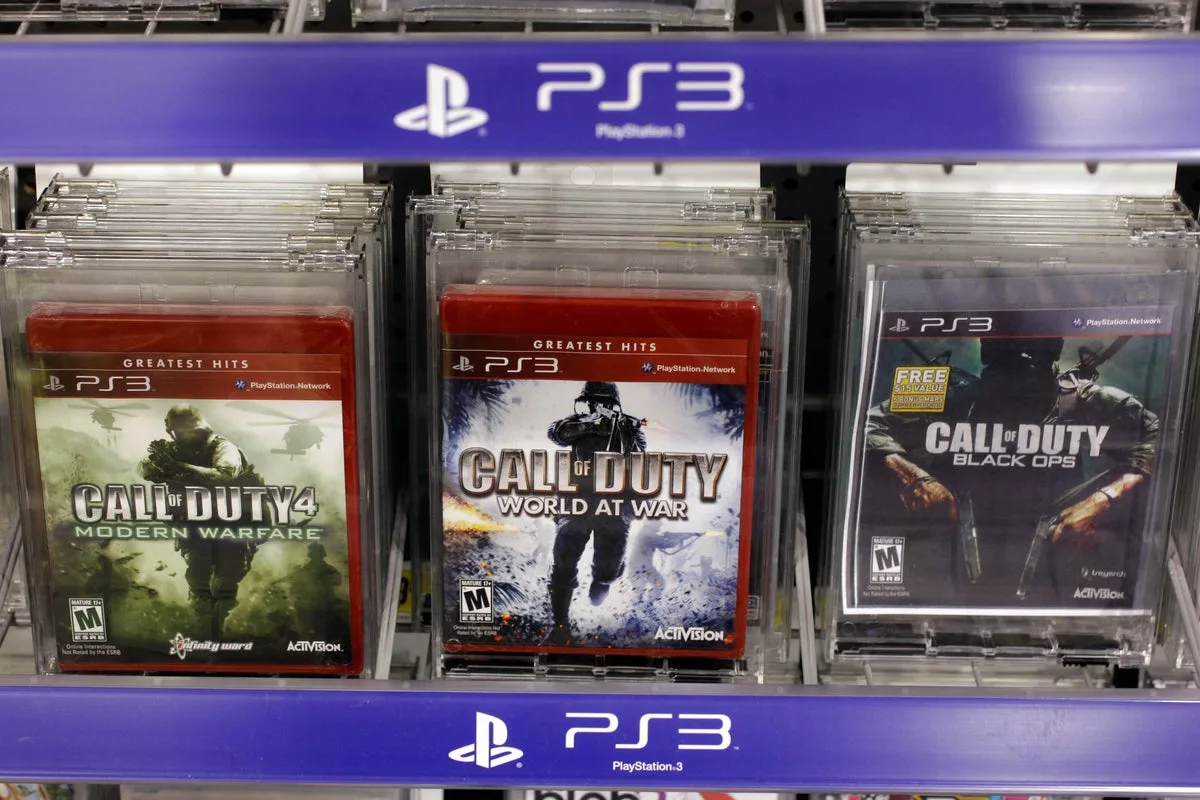
One post, laden with explosive imagery, was captioned "Courtesy of the Red, White and Blue"—a direct reference to Toby Keith's post-9/11 patriotic anthem, "The Angry American." The content, set to aggressive soundtracks including Childish Gambino's "Bonfire," Miami XO's "Bazooka," and AC/DC's "Thunderstruck," is clearly designed to resonate with a specific demographic. The White House's aggressive social media team has cast a wide net through cultural touchstones popular with young men, incorporating footage from video game franchises like Call of Duty, Grand Theft Auto, Mortal Kombat, and Halo, alongside NFL tackles, college football hits, and Major League Baseball home runs, with the crack of bats juxtaposed against the roar of detonations.
Widespread Condemnation and Ethical Concerns
The strategy, which some critics have labeled the "gamification" of war, has been met with significant backlash from various quarters. High-profile figures from the entertainment industry have publicly objected to the unauthorized use of their work. Actor Ben Stiller, whose performance in "Tropic Thunder" was featured, stated on social media platform X, "I have no interest in being part of your propaganda machine. War is not a movie." Similarly, Steve Downes, the voice actor for Halo's Master Chief, condemned the videos as "disgusting and juvenile war porn." Neither the NFL nor Major League Baseball provided official comment regarding the use of their sports footage in the promotional material.
The criticism has extended into religious and ethical spheres. Cardinal Blase J. Cupich, Archbishop of Chicago, issued a forceful statement, expressing disgust at seeing a conflict resulting in genuine death and suffering treated with the frivolity of a video game. "Our government is treating the suffering of the Iranian people as a backdrop for our own entertainment," Cupich declared. "But, in the end, we lose our humanity when we are thrilled by the destructive power of our military."
Administration Defense and Strategic Motivations
When pressed for comment, the White House declined to address whether it would honor requests from artists to remove their unauthorized content. White House spokeswoman Anna Kelly defended the videos, stating, "America's heroic warfighters are meeting or surpassing all of their goals under Operation Epic Fury. The legacy media wants us to apologize for highlighting the United States Military’s incredible success, but the White House will continue showcasing the many examples of Iran’s ballistic missiles, production facilities, and dreams of owning a nuclear weapon being destroyed in real time."
This is not the first instance of this administration employing gaming and pop culture memes. Previous social media posts have depicted former President Trump as the video game character Master Chief and as a blocky Minecraft avatar, touting him as "America’s most pro-gamer president." Analysts suggest the current video campaign serves multiple purposes: propagating a pro-war message in the digital space where the administration's base is highly active, and potentially acting as a sophisticated recruitment tool aimed at young men, a demographic historically targeted by military recruiters through platforms like the video game "America's Army" and esports events.
Expert Analysis on Messaging and Impact
Zia Haque, director of the Baker Institute for Peace and Conflict Studies, noted that every conflict has a psychological dimension, and these videos represent a modern exploitation of digital media to broadcast a specific narrative. "We live in a digital age, and I see this as a use of the space to propagate the message across the board," Haque observed.
Retired U.S. Navy Commander Ray Deptula, who served for 24 years, acknowledged the potential appeal of such glamorized imagery, recalling that the desire to emulate action movie heroes motivated his own decision to enlist. However, he issued a stark warning: "That's not what your life is going to be like. Your life is going to be about hard work and humility."
Marketing expert Jeff Fromm, co-author of "Marketing to Gen Z," expressed skepticism about the long-term efficacy of this approach. He pointed out that many in Generation Z prioritize transparency and organizational values, areas where he questions whether the current administration's messaging will ultimately resonate positively or backfire.
The line between reality and digital culture occasionally blurs in unexpected ways. A recent social media post by Trump referencing "Exquisite Class" weaponry baffled policy experts but was instantly recognizable to players of the video game Final Fantasy XIV, highlighting the sometimes-accidental intersections between presidential communication and gaming lexicon.