White House Press Secretary Flounders Under Scrutiny Over Trump's Rhetoric
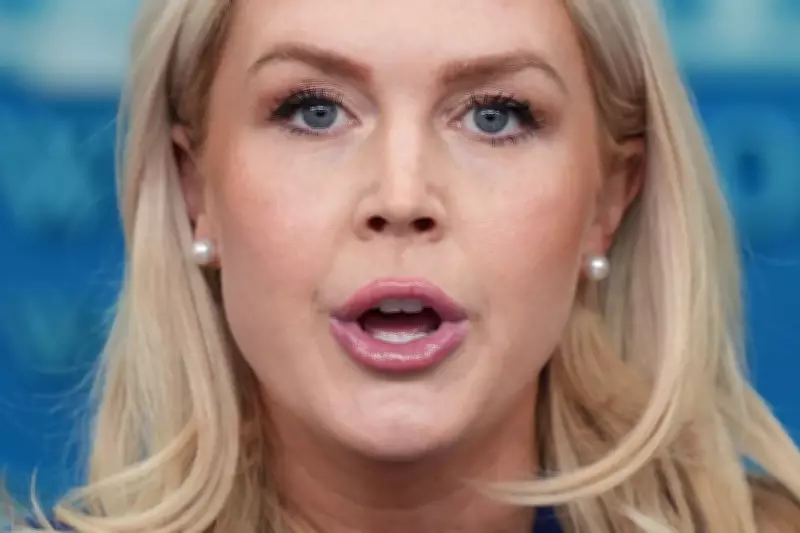
In a tense White House briefing on Wednesday, Press Secretary Karoline Leavitt struggled to defend former President Donald Trump's inflammatory statements regarding Iran, including his threat that "a whole civilization will die tonight." The session, which bizarrely opened with announcements about AI legislation supported by Melania Trump despite ongoing military conflicts, saw Leavitt repeating administration talking points that critics argue undermine meaningful discourse.
Administration's Narrative Clashes With Reality
Leavitt echoed earlier statements from Pete Hegseth, claiming America had achieved a "historically swift and successful military triumph" against Iran and accusing the media of spreading misinformation. However, reporters pressed her on the ethical implications of Trump's rhetoric, which included Muslim-baiting and threats against civilians. When asked about the benefits to the American people, Leavitt vaguely referenced Trump's promise to go to war, asserting that the administration's actions were justified without substantive evidence.
The press secretary's responses grew increasingly evasive as journalists questioned the appropriateness of Trump's genocide threats. Leavitt argued that Trump's "very tough" rhetoric was effective due to America's "very powerful and lethal military," but failed to clarify why such threats should be taken seriously. This led to further probing from reporters like Andrew Feinberg of The Independent, who challenged the notion that America retains moral high ground while its leader makes such extreme statements.

Language and Logic Under Fire
Throughout the briefing, Leavitt's language was criticized for its lack of coherence and reliance on straw man fallacies. She repeatedly used terms like "decimated" and made puns, such as claiming Iran's plans were "blown up, quite literally," which observers noted seemed out of touch with the gravity of the situation. The administration's handling of the NATO alliance also came under scrutiny, with Leavitt quoting Trump saying "They were tested, and they failed," despite NATO's defensive nature being clearly outlined in its founding treaty.
As the questioning intensified, Leavitt appeared ill at ease, eventually asserting that Trump held the "moral high ground over the Iranian regime" without explaining how this aligned with his threatening rhetoric. The briefing highlighted a broader pattern within the administration where words are often divorced from their meanings, leading to what critics describe as a "decimation" of language in political discourse.
Broader Implications for Political Communication
The event underscores ongoing tensions between the Trump administration's narrative-building and journalistic accountability. With over 100 lawmakers calling for the invocation of the 25th Amendment due to concerns over Trump's stability, the press briefing revealed a disconnect between official statements and public perception. As the administration moves forward, including potential discussions on Cuba, the erosion of meaningful dialogue continues to raise alarms about the state of democratic communication in times of conflict.