
The Duke of Westminster’s Grosvenor Group has warned of “dramatic” increases in food prices, as farmers face soaring fertiliser costs linked to the conflict in Iran. The closure of the Strait of Hormuz, a key route for oil, gas and other fuels, has already pushed up fuel prices in the UK.
Mark Preston, executive trustee of the Grosvenor Group, said farmers’ costs have risen by up to 70 per cent since the war began. Many are using old fertiliser stocks rather than buying new supplies, which have become prohibitively expensive. “Farmers are not buying that fertiliser, they’re sitting on their hands and hoping things will improve, which they probably won’t,” Mr Preston said.
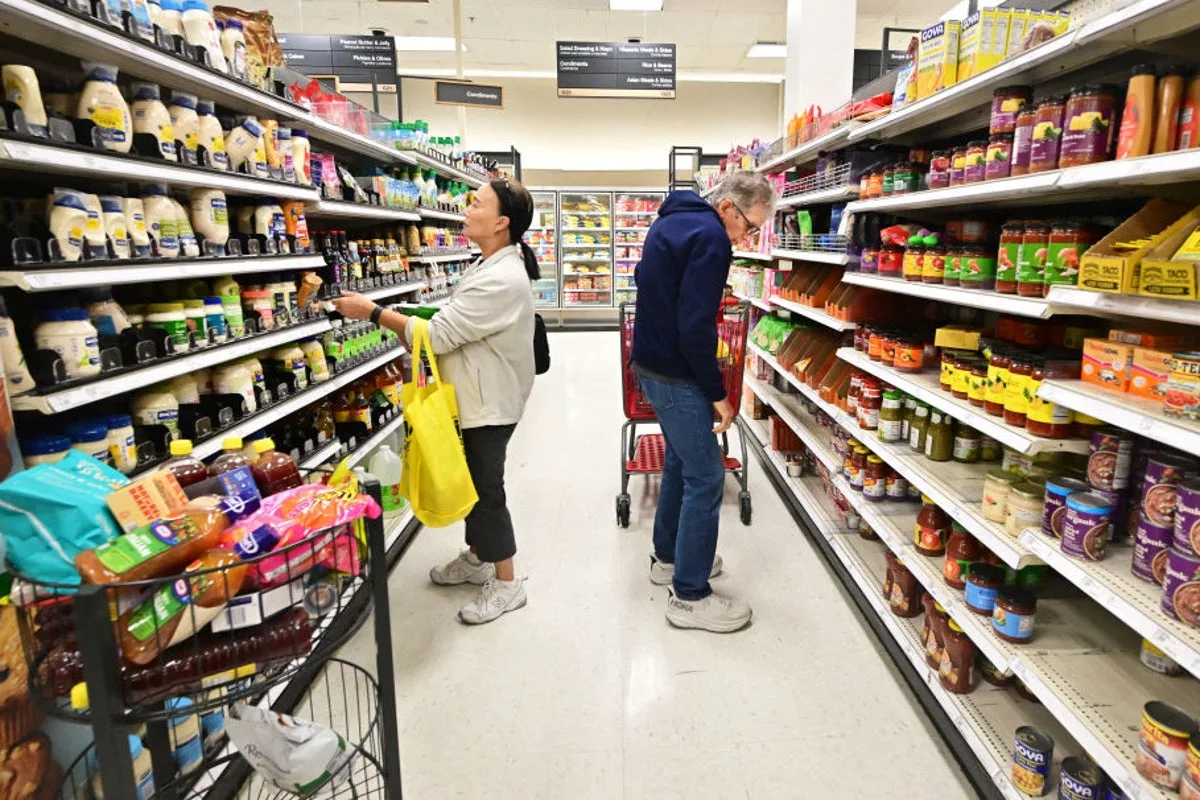
The British Retail Consortium (BRC) has warned that supermarkets are absorbing huge extra costs from the Middle East conflict, but these will inevitably be passed on to consumers. Helen Dickinson, the BRC’s chief executive, said: “While we’re yet to see the full force of the Middle East conflict feeding into consumer prices, it will not be long before it begins to.” She called on the government to delay new tax and regulatory rules.
In April, the Food and Drink Federation warned that food inflation could hit 10 per cent this year. The Bank of England has predicted inflation could top 6 per cent by 2027, with food inflation at 7 per cent. Official inflation stands at 3.3 per cent, but this is before the full impact of rising food and fuel costs is felt. Retailers report that footfall in stores is falling as shoppers cut spending to essentials.
Mr Preston said the problem is global, not just domestic: “It’s going to be a very, very dramatic problem for the world, not just the UK, in terms of food, just because so much fertiliser comes through those straits.” He noted that farmers may switch to spring cropping next year to gain some flexibility. Peace talks between Iran and the US remain fragile, though there is speculation that the Strait of Hormuz, where around 1,600 ships are stranded, could reopen soon.




