War Tax Resistance Movement Gains Momentum Amid US Military Interventions
War Tax Resistance Movement Gains Momentum Amid US Military Actions

The Resurgence of War Tax Resistance in America

As tax day approaches, a significant number of American citizens are contemplating a radical form of protest against ongoing US military interventions. The practice of war tax resistance, which involves withholding federal income taxes that fund military operations, is experiencing a notable revival. This movement draws upon deep historical roots while addressing contemporary conflicts that many taxpayers find morally objectionable.

A Historical Tradition of Fiscal Protest

War tax resistance boasts a venerable tradition that predates the founding of the United States itself. Historical records indicate that in 1637, the Algonquin Nation refused to pay taxes to Dutch colonizers to protest military fort construction. Quakers later became the first organized religious group to systematically oppose wartime taxation as a matter of principle.

The modern war tax resistance movement gained substantial momentum during the Vietnam War era, when an estimated 200,000 to 500,000 Americans refused to pay federal taxes in protest. Since World War II, however, only two individuals have served prison time specifically for nonpayment of taxes in protest of US military interventions, suggesting that legal consequences for principled resistance remain relatively rare.

Wide Pickt banner — collaborative shopping lists app for Telegram, phone mockup with grocery list

The Current Political Context

The resurgence of war tax resistance occurs against a backdrop of controversial US military operations in the Middle East. According to movement advocates, American taxpayers are effectively financing military actions that include the destruction of infrastructure in Tehran and ongoing conflicts in Gaza, where approximately 70% of weapons reportedly originate from the United States.

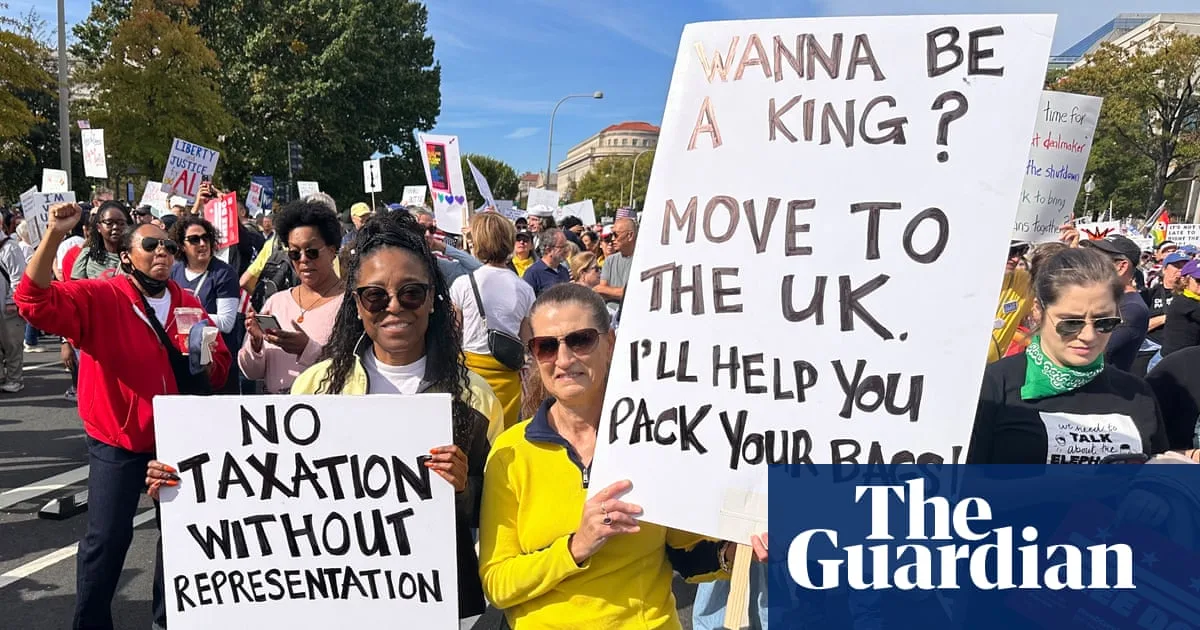
This protest movement emerges despite congressional procedures being bypassed for certain military actions, leading activists to characterize the situation as "taxation without representation." Recent polling indicates that approximately 70% of voters opposed potential military action in Iran before hostilities commenced, with majority opposition persisting as economic consequences mount.

Practical Implementation and Legal Considerations

War tax resistance typically involves redirecting the portion of taxes that would fund military operations—estimated at up to 50% of federal tax revenue—toward alternative causes. Organizations like the War Resisters League and the National War Tax Resistance Coordinating Committee provide guidance for those considering this form of protest.

Unlike tax fraud, which involves deception to reduce tax liability, war tax resistance represents a principled, transparent stand against military spending. Many participants include explanatory letters with their tax returns to ensure the government understands their motivations. While potential consequences include credit impacts or financial penalties, the historical record suggests that imprisonment for this specific form of protest remains exceptionally rare.

The Broader Movement and Future Prospects

The upcoming No Kings rallies scheduled for March 28th are expected to draw significant participation, potentially becoming one of the largest nonviolent protests in American history. Organizers hope to combine these demonstrations with widespread tax resistance pledges to amplify their impact.

As climate advocate and lawyer Clara Vondrich notes, "Refusing to consent to government overreach through civil disobedience is a bedrock value that has kept our democracy intact." This perspective frames war tax resistance as part of a broader tradition of civil disobedience that has historically advanced social justice causes while challenging governmental overreach.

The movement represents a practical alternative to symbolic protest, offering citizens a direct means to influence military policy through financial resistance. As Vondrich concludes, "When those numbers funnel energy toward direct action for a common outcome, the world can change."

Pickt after-article banner — collaborative shopping lists app with family illustration