Veterans Grapple with War Trauma as Iran Conflict Escalates
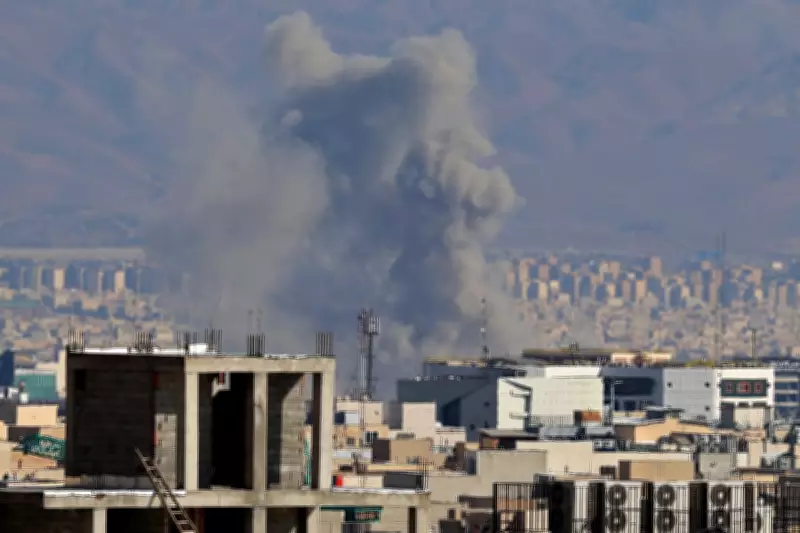
Smoke billowed from central Tehran on March 6 following sustained airstrikes, marking a dangerous escalation in US-Iran tensions that has reopened old wounds for American military veterans. For those who served in post-9/11 conflicts, the new Middle Eastern confrontation brings disturbing echoes of previous wars, triggering traumatic memories and sparking intense debate within the veteran community.
Personal Trauma and Political Division
Nathan Wendland, a 46-year-old former US Army staff sergeant who receives compensation for post-traumatic stress disorder from his Iraq service, represents many veterans struggling with the psychological impact of renewed conflict. "This war brings triggers into the news cycle every hour," Wendland revealed, describing how the Iran strikes caused past memories to flood back just as he was recovering from a psychiatric emergency hospitalization last January.
The parallels to the 2003 Iraq invasion are particularly troubling for veterans like Wendland, who see similar patterns of questionable justification, regional destabilization, and unclear objectives. Six US service members have already died in Iranian retaliatory strikes, while US-Israeli operations reportedly struck a girls' school in Iran, resulting in over 100 child casualties according to reports.

Congressional Veterans Voice Opposition
In Washington, lawmakers with military backgrounds have emerged as some of the administration's most vocal critics. Senator Ruben Gallego, an Arizona Democrat and Marine Corps veteran whose unit suffered heavy casualties in Iraq, expressed grave concerns about the conflict's direction. "It's a scary situation when you don't hear what the plan is, what the victory is," Gallego stated, emphasizing the war's questionable legality given the absence of an imminent threat requiring congressional authorization bypass.
Democratic Representative Chris DeLuzio, a Pennsylvania Navy veteran, posed the fundamental question facing policymakers: "How many American troops should die for this?" His challenge to war supporters highlights the human cost considerations dividing the veteran community.
Support for Presidential Action
Not all veterans oppose the military campaign. Senator Joni Ernst, an Iowa Republican and Iraq combat veteran, defended the administration's actions, arguing that fallen service members "gave their lives in support of a noble mission: protecting their fellow Americans and keeping our homeland secure." This perspective reflects the approximately two-thirds of veterans who supported Donald Trump in the 2024 election according to exit polls.
Older veterans like 77-year-old Navy veteran Don Buel, who served during Vietnam, maintain strong support for confronting Iran. "They chant 'death to Israel', 'death to the United States'," Buel noted about Iranian leadership. "You can't negotiate with that." The American Legion, representing 1.6 million members nationwide, issued a statement acknowledging bipartisan agreement about Iran's threat while praising presidential action against what it called "the world's leading state sponsor of terror."
Human Costs and Moral Questions
Beyond political divisions, the conflict raises profound moral questions for military families. Stephanie Keegan, whose son Sergeant Daniel Keegan served two special operations tours in Afghanistan before dying from addiction-related complications, believes her son would have opposed the war. "This would be an absolute abomination to him," she asserted. "The rules and the constitution were not followed. The necessity has not been validated."
The immediate humanitarian concerns extend to vulnerable populations caught in the crossfire. Shawn VanDiver, a Navy veteran and founder of the #AfghanEvac coalition, expressed particular worry about 1,100 Afghan allies awaiting US resettlement at Camp Al Sayliyah in Qatar. Despite missile defense systems intercepting attacks, VanDiver described terrifying conditions where "flaming balls of shrapnel" fall near sleeping children, creating psychological trauma for families including 150 immediate relatives of active-duty US military personnel.

As the conflict continues, the veteran community remains deeply fractured between those viewing military action as necessary protection and those experiencing it as traumatic repetition of past mistakes. The debate encompasses legal authority, strategic objectives, human costs, and the lasting psychological impact on those who have already borne the burdens of America's longest wars.