Vice President's Difficult Weekend Undermines Presidential Aspirations
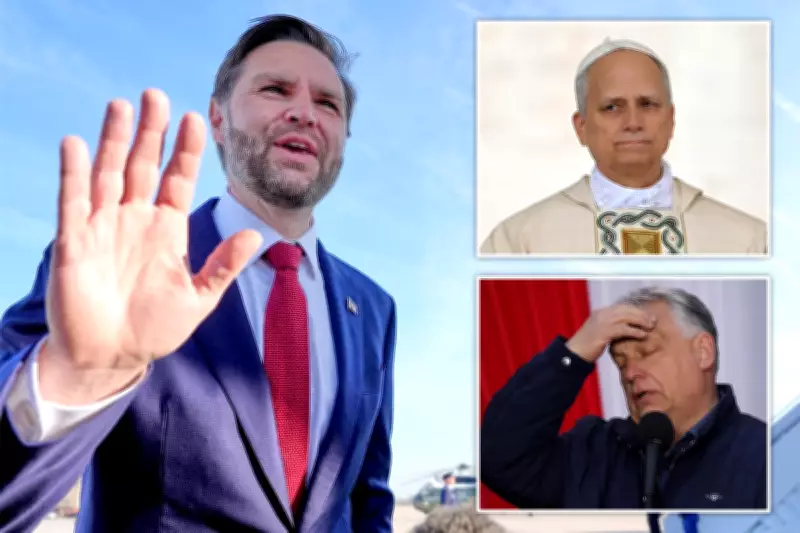
Vice President JD Vance has experienced a politically damaging seventy-two hours that has significantly undermined his position as Donald Trump's presumed successor for the 2028 presidential election. The Ohio Republican returned to Washington DC on Sunday without achieving the diplomatic breakthrough in Iran that his administration had hoped would bolster his credentials as an international dealmaker.
Failed Middle East Mission Compounds Political Troubles
Vance's weekend began with a high-stakes diplomatic mission to Islamabad, Pakistan, where he engaged in marathon negotiations with Iranian officials attempting to end the two-month conflict that has divided the MAGA coalition. The vice president returned empty-handed, unable to secure agreements regarding the crucial Strait of Hormuz or Iran's nuclear program.
"The bad news is, we have not reached an agreement," Vance told reporters upon his return. "They have chosen not to accept our terms. The simple fact is that we need to see an affirmative commitment that they will not seek a nuclear weapon."

This failure represents a significant setback for an administration that has consistently promoted its peacemaking capabilities, particularly as the United States approaches the second month of military engagement without achieving its strategic objectives through either force or diplomacy.
International Ally Suffers Unexpected Defeat
Compounding Vance's diplomatic disappointment, longtime White House ally Viktor Orban suffered an unexpected electoral defeat in Hungary on Sunday. The loss deals a substantial blow to the global far-right alliance championed by figures like Steve Bannon and embraced by elements within the MAGA movement.
Vance had personally traveled to Hungary late last week in an attempt to bolster Orban's re-election campaign, delivering speeches that appealed to Christian nationalist sentiments. "Will you stand for sovereignty and democracy, for truth and for the God of our forefathers?" the vice president asked Hungarian voters during his visit.
Orban's defeat proves particularly embarrassing for Vance, who has positioned himself as a genuine advocate for the Christian nationalist doctrine that Trump often struggles to articulate convincingly. The Hungarian leader's departure from power weakens the international network that Vance hoped to leverage for his own political future.
Domestic Controversies Add to Mounting Pressure
Returning to Washington DC, Vance faced additional domestic complications as President Trump launched fresh attacks against Pope Leo following rare criticism from the Vatican regarding the administration's handling of the Iran conflict. In a characteristically surreal White House moment, Trump accepted McDonald's delivery while simultaneously denying he had portrayed himself as Jesus Christ on social media.
Vance, the nation's second Catholic vice president, appeared briefly unaware of the Holy See's chief diplomat to the United States when questioned about reports that the administration had summoned a Vatican ambassador to the Pentagon for tense discussions.
These developments occur against a challenging political backdrop for Republicans, with several Senate race ratings shifting in Democrats' favor this week and growing concerns about potential losses in both congressional chambers during the midterm elections.
Political Future Remains Uncertain Despite Setbacks
Despite this triple-whammy of diplomatic failure, international political loss, and domestic controversy, political analysts caution against writing the obituary of Vance's presidential ambitions prematurely. The Trump administration's second term has not yet reached its midpoint, and the post-midterm political landscape may present new opportunities for the vice president to demonstrate leadership.

Nevertheless, this weekend's events represent missed opportunities for Vance to extract his administration from difficult international entanglements while simultaneously earning praise from Americans largely opposed to continued military engagement. The vice president's failure to secure the "dealmaker" label he sought in Pakistan, combined with Orban's defeat and domestic distractions, has undoubtedly complicated his path to the 2028 Republican nomination.
As a political novice who entered government less than one Senate term ago, Vance's rapid ascent from Ohio primary candidate to vice president remains largely attributable to Trump's patronage. This weekend's developments highlight the challenges he faces in establishing independent political credibility while operating within the unpredictable dynamics of the current administration.