Newsroom Diversity Crisis: Black Journalists Still Marginalised in UK Media
A new study from the Sir Lenny Henry Centre for Media Diversity has exposed a stark reality in British journalism, with one respondent describing their workplace as an apartheid newsroom. This report highlights a significant DEI backlash, underscoring that despite years of promises, the playing field remains anything but level for Black journalists and other underrepresented groups.
The Illusion of Progress in Awards and Representation
Look no further than the Press Awards, which claim to showcase the best of national journalism in the UK. The individual awards shortlists tell a troubling story: diversity is clearly not a priority. Several categories, including news reporter of the year, feature only men, and Black journalists are notably absent. This lack of visibility sends a damaging message to aspiring journalists from diverse backgrounds.
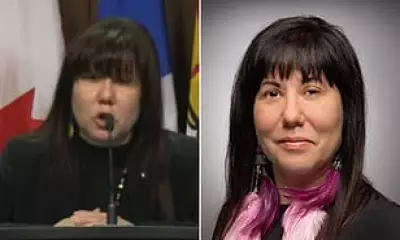
As the head of journalism and strategic communications at Goldsmiths, University of London, Dr Omega Douglas expresses deep concern. Her programmes attract talented students from all racial backgrounds, yet beyond the lecture theatres, Black students struggle to see anyone lauded in the industry who looks like them. This absence is unacceptable and perpetuates a cycle of exclusion.

Historical Context and Repeated Failures
The issue is not new. After the murder of Stephen Lawrence, British journalists were urged to reflect on racial equality within their own institutions. In 2020, Meghan Markle highlighted racist treatment by the British press, only to be dismissed by industry leaders. Yet, evidence of structural racism continues to emerge, adding insult to injury for those in and aspiring to join the profession.
This systemic failure damages everyone. News permeates our social fabric, shaping public discourse and norms. A lack of diversity means audiences receive a distorted or inaccurate view of the world, as seen in coverage of events like the Scottish independence referendum, Brexit, the 2011 riots, and Grenfell. Skewed reporting can skew public attitudes, weaken civic participation, and exacerbate democratic crises.
Statistics and Systemic Barriers
While the share of Black UK journalists increased from 0.3% to 1.3% between 2015 and 2023, they remain underrepresented compared with 4% of Black people in the population. White journalists are overrepresented, making up 86% of UK journalists, compared with 83% of the working population, and they hold the power in major news organisations.
Women of colour are the most underrepresented group, absent from leadership positions and as protagonists in content. Exclusion matters critically in this polarised era, where algorithms can ignite far-right riots based on baseless rumours, as seen after the Southport murders.
The Urgent Need for Genuine Change
There is much talk about diversity, but action lags. Only a handful of this year's 61 Press Awards judges are Black, journalists of colour earn less than their white peers on average, and Black journalists report higher levels of stress at work. The characteristics and experiences of those who manage newsrooms influence hiring, promotion, and award nominations, perpetuating inequities.
For all the promises past and present, the playing field is anything but level. Isn't it time we tried a bit harder, as a society and a profession, to make it so? The call for a racial reckoning in British newsrooms is more urgent than ever, requiring visionary leadership and structural reforms to ensure journalism truly reflects the diversity of the society it serves.