National Security Committee Calls for Temporary Ban on Cryptocurrency Political Donations
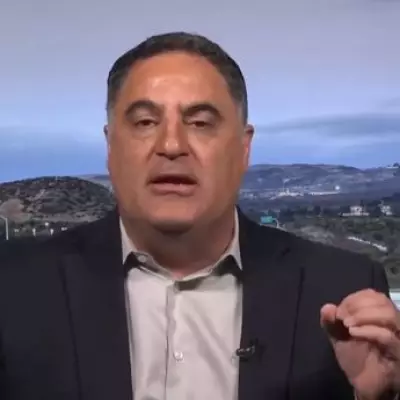
The chair of the UK's national security committee, Matt Western, has issued a stark warning about the growing threat of foreign interference in British political finance ahead of the next general election. In a letter to cabinet minister Steve Reed, who oversees electoral finance, Western urged the government to impose an immediate temporary ban on political donations made in cryptocurrency. This move is deemed necessary until robust safeguards are established to prevent covert foreign money from undermining the integrity of UK elections.
Rising Concerns Over Foreign State Interference
The committee expressed deep concern that foreign state intent to interfere in UK political finance may escalate in the coming months, particularly given the worsening global security environment. Western highlighted that the current elections bill lacks specific measures to restrict cryptocurrency donations, leaving the electoral system dangerously exposed. He emphasized that without adequate checks on the source of funds, cryptocurrencies could be exploited by malign actors to conceal illicit contributions, thereby increasing the risk of foreign interference in democratic processes.
Inadequate Enforcement and Regulatory Gaps
Further compounding the issue is the fragmented approach to enforcement. The committee pointed out that responsibility for monitoring political finance and foreign interference risks is spread across multiple agencies, including the Electoral Commission, the Metropolitan Police, counter-terrorism policing, the National Crime Agency, MI5, and local police forces. This disjointed system, Western argued, does not inspire confidence in the efficient and coordinated investigation and mitigation of risks. He recommended appointing a single national police lead specifically focused on political finance with an emphasis on foreign interference threats.

Proposed Measures and Interim Guidance
To address these vulnerabilities, the committee proposed a temporary moratorium on accepting cryptocurrency donations until the Electoral Commission can produce statutory guidance. In the interim, Western suggested that political parties should only use cryptocurrency service providers registered with the Financial Conduct Authority. Additionally, parties should accept donations only when there is high confidence in the identity of the ultimate source of funds and reject any contributions that involve mechanisms obscuring the source. The committee also raised concerns that existing "know your donor" checks are insufficient, as they lack adequate requirements for donors to demonstrate their source of wealth, potentially allowing permissible corporate donors or individuals to act as conduits for foreign money.
Government Response and Independent Review
Government sources have indicated that ministers are considering ways to ban cryptocurrency political donations, but such measures were not included in the recent elections bill due to timing constraints. A spokesperson for the Ministry of Housing, Communities and Local Government stated that the Representation of the People bill aims to strengthen rules around political donations to combat foreign interference. Furthermore, an independent review led by former permanent secretary Philip Rycroft has been commissioned to explore additional safeguards against illicit money, including cryptocurrencies.
Campaign Groups Echo Warnings
Campaign groups have reinforced the committee's warnings, with Tim Picton, senior advocacy adviser at Spotlight on Corruption, stating that allowing cryptocurrency donations significantly heightens the risk of illicit finance contaminating politics and foreign interference undermining democracy. Picton emphasized that cryptocurrencies provide tools for concealing donation sources, making regulation and enforcement challenging for authorities like the Electoral Commission and law enforcement agencies. He called for a permanent ban on crypto donations to be enshrined in legislation to prevent future overturning without proper parliamentary scrutiny.
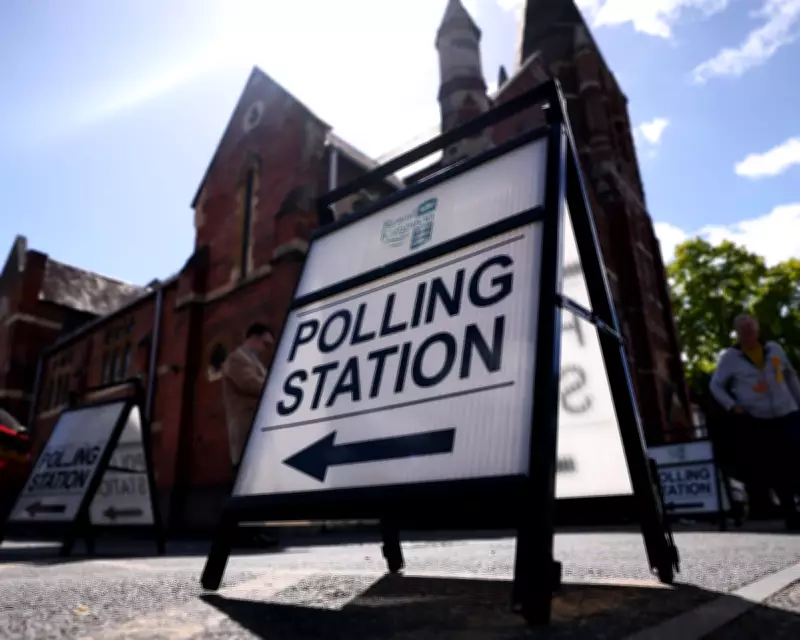
As the UK prepares for upcoming elections, the debate over cryptocurrency donations underscores the urgent need for enhanced security measures to protect democratic integrity from evolving threats.