Home Secretary Bans London Al-Quds March Citing Iranian Regime Links
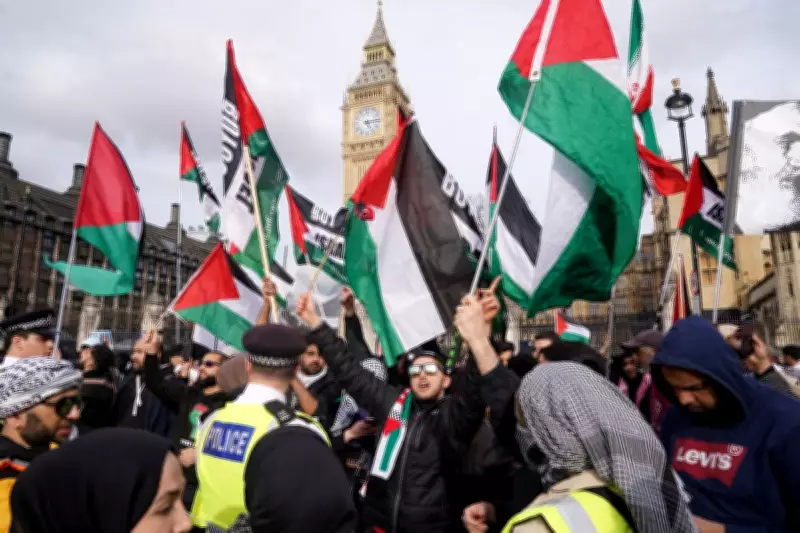
Home Secretary Shabana Mahmood has approved a request from the Metropolitan Police to ban the Al-Quds day march planned for Sunday in London, marking the first such prohibition since 2012. The decision aims to prevent serious public disorder, with Ms Mahmood telling MPs that the organisers are "closely associated with the Iranian regime."
Organisers Linked to Iranian Interests
The annual protest, originally created by Iran's Ayatollah Ruhollah Khomeini, is billed as an international day of solidarity with Palestine. Ms Mahmood stated that plans for the procession "have been led by the Islamic Human Rights Commission (IHRC)," an organisation she described as having close ties to Tehran. Shadow home secretary Chris Philp echoed this, calling the group "in essence a front organisation for the Iranian regime."
However, the IHRC has asserted that the protest will proceed as a static demonstration on Sunday, insisting they are an independent NGO that does not accept government funding. They noted that the Al-Quds day event involves a committee of multiple organisations, with the IHRC playing a prominent role.

Heightened Tensions and Security Concerns
Ms Mahmood justified the ban by citing "heightened attention" on Iran due to ongoing Middle East conflicts, which she said would lead to "larger expected attendance" and increased risks. She warned of "heightened tensions between protesters and counter protesters and therefore greater potential for conflict." The ban, effective immediately for one month with possible extension, will last until 11 April.
It is important to note that the Home Office and police cannot prohibit static protests under current legislation. Mr Philp highlighted past incidents at Al-Quds marches, including chants calling for intifada and revolution, as well as speeches alleged to incite antisemitism.
Report Warns of Iranian Influence in UK
A new report by Lord Walney, the former independent adviser on political violence, has raised alarms about UK authorities failing to combat national security threats from a network of over 30 charities, religious institutions, and community centres allegedly established to advance Iranian regime interests. Launching the report on Wednesday, Lord Walney warned of ongoing "abuse of our open society by a hostile foreign state."
He pointed to Iran's "long record of assassinations, terrorism, proxy warfare, and transnational repression," urging that the UK must confront the "soft power infrastructure" supporting these activities. Lord Walney criticised the Charity Commission's response as "alarmingly weak," noting investigations can drag on for years without disrupting operations.
Broader Implications and Responses
Lord Walney likened Iran's infiltration in the UK to that of Russia, stressing that "we just need to be clearer that Iran's hostility in the region is a threat to the UK." He also cautioned that even as a static protest, the Al-Quds event could still cause disorder on Sunday.
In response to Lord Walney's report, the IHRC denied any alignment with Iran or state links, rejecting allegations of antisemitism as unsubstantiated. The organisation has been contacted for further comment on the march ban.
This development underscores growing concerns about foreign influence and public safety in the UK, as authorities grapple with balancing protest rights and security in a tense geopolitical climate.