TSA Funding Vote Anticipated to Fail as Airport Crisis Escalates
Congress faces mounting pressure to resolve a partial government shutdown that has now stretched to 41 days, causing severe disruptions in air travel and putting the livelihoods of Transportation Security Administration (TSA) officers at risk. With missed paychecks and warnings of potential airport closures, the stalemate centres on disagreements over President Donald Trump's immigration enforcement operations.
Republican Proposal Lacks Support in Senate
A Republican plan to fund the TSA and most of the Department of Homeland Security, while excluding Immigration and Customs Enforcement (ICE) operations, is expected to fail in the Senate on Thursday. Democrats argue that the proposal does not sufficiently control federal officers involved in immigration sweeps, leading to a deadlock as Congress prepares to leave for spring break recess by the week's end.
Acting TSA Administrator Ha Nguyen McNeill described the situation as "dire" during a House hearing on Wednesday. She highlighted that agents are resorting to extreme measures, such as sleeping in their cars and donating blood, to make ends meet during the shutdown. McNeill warned that increasing callout rates may force difficult decisions about which airports to keep open or shut down.

Impact on TSA Agents and Travel Disruptions
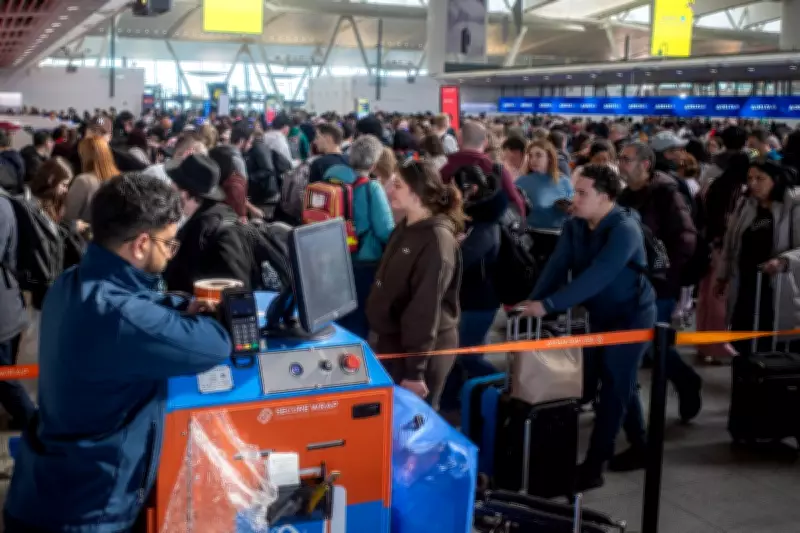
The shutdown has led to mass travel disruptions, with TSA officers providing airport security without pay. The crisis underscores the broader implications of political gridlock, as calls intensify for an end to the stalemate that threatens national security and public safety. The failure of the funding vote could exacerbate the situation, potentially leading to more widespread airport closures and further hardships for federal workers.
As the shutdown drags on, the focus remains on finding a bipartisan solution to fund critical agencies while addressing immigration policy concerns. The ongoing debate highlights the challenges in balancing enforcement operations with the need to support essential services during governmental crises.