Trump's Second Term Defined by Unprecedented Retribution Campaign
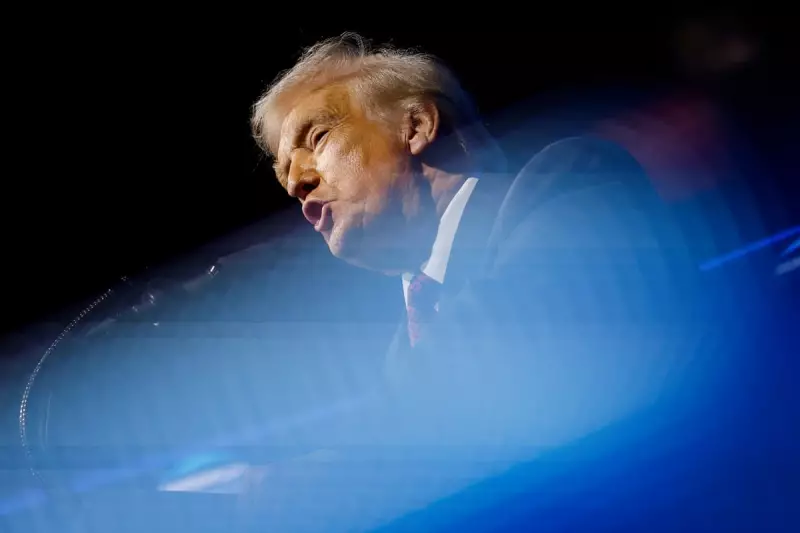
In November 2025, Donald Trump delivered remarks at the America Business Forum in Miami, Florida, setting the tone for a presidency marked by vengeance. During his first year back in the White House, Trump has pursued a relentless campaign of retribution, targeting individuals and organisations he perceives as adversaries.
A Legacy of Grievance Transformed into Political Action
Since launching his initial presidential run in 2015, Trump has effectively channelled grievances into political success. Returning to power after surviving two impeachments and four criminal cases, he has wielded the federal government's might to punish those he believes wronged him. In a 2023 speech at CPAC, Trump declared, "I am your warrior. I am your justice. And for those who have been wronged and betrayed: I am your retribution," foreshadowing his second-term agenda.
The Staggering Breadth of Targeted Retaliation
The scale of Trump's campaign is immense. A Reuters tally late last year estimated retribution against 470 people and organisations, including:

- Firing career prosecutors involved in January 6 cases and special prosecutor Jack Smith.
- Indicting New York Attorney General Letitia James and former FBI director James Comey.
- Dismissing career lawyers who objected to such actions.
- Weaponising a housing agency to pursue mortgage fraud investigations against Senator Adam Schiff, Representative Eric Swalwell, and Federal Reserve governor Lisa Cook.
- Opening a criminal inquiry into Federal Reserve chair Jerome Powell.
Additionally, Trump has threatened left-leaning non-profits, fired FBI agents for protesting, issued executive orders against law firms, and revoked security clearances for opponents, though some actions were later overturned by courts.
Creating a Culture of Fear in Government
Prominent Democratic lawyer Marc Elias, a Trump target, stated, "Donald Trump promised he would seek retribution against his political opponents and he has delivered." He expressed disgust at the enabling by corporate and media institutions. The firings have instilled fear among federal employees, who now worry about partisan repercussions. Michael Gordon, a fired January 6 prosecutor, noted colleagues constantly ask, "Am I next?" fearing punishment for past work.
Systematic Removal of Officials and Erosion of Civil Service
Trump has installed loyal allies in key positions while swiftly removing officials seen as disloyal. Examples include:
- Erika McEntarfer, head of the Bureau of Labor Statistics, fired after releasing disappointing jobs data.
- Cameron Hamilton, acting head of Fema, dismissed for opposing the agency's abolition.
Max Stier, CEO of Partnership for Public Service, warned, "We are witnessing the most severe reduction of governmental capacity and erosion of the career civil service in contemporary American history." He highlighted over 200,000 federal employees removed without justification and agencies transformed into political tools, with impacts likely to last decades.
The Lingering Question of Opposition
As Trump continues his campaign into 2026, the critical issue is not whether retribution will persist, but who will stand up to oppose it. The administration's actions have reshaped US governance, prioritising personal vendettas over public service, with long-term consequences for democracy and institutional integrity.