Trump's Iran Conflict Risks Backfiring as War Strategy Unravels at Home
Donald Trump's military intervention in Iran is facing mounting scrutiny as it starkly contradicts his long-standing America First mantra, threatening to undermine his political standing domestically. The president, who repeatedly promised Americans he would avoid entangling the US in distant conflicts, has now embarked on a war of choice with no transparent aims or exit strategy, leaving many questioning the rationale behind the escalation.
Muted Public Response and Strategic Confusion
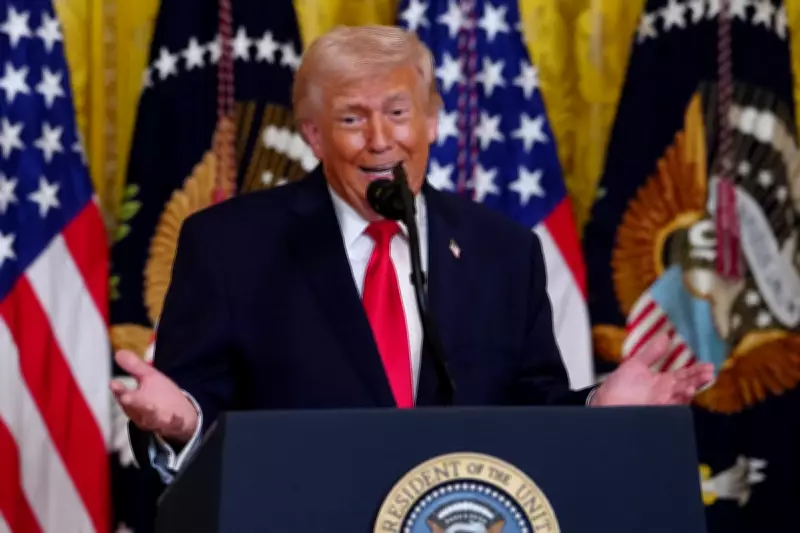
During a recent speech in Hebron, Kentucky, Trump boasted that the conflict was "won in the first hour" and praised the operation's name, "Epic Fury," as if branding were a prerequisite for military success. However, the expected fervent support from his MAGA base was conspicuously absent, with the audience responding in a strangely subdued manner. This lukewarm reception hints at a broader public awareness that there is no coherent plan for victory, as the Iranian regime remains intact and continues to threaten regional stability.
The strategic aims of the war remain ambiguous: is it about regime change, dismantling Iran's nuclear capabilities, or merely weakening its influence? The messaging from the administration has been erratic, failing to prepare public opinion or provide a clear narrative. This lack of direction is exacerbated by the fact that, despite extensive airstrikes on Iranian air defences and infrastructure, including tragic collateral damage such as a girls' school, the regime persists, and the Straits of Hormuz—a vital conduit for 20% of global oil—remain vulnerable to Iranian mining operations.

Economic Repercussions and Leadership Dynamics
As Americans face rising fuel prices due to disruptions in oil flow, Trump's claims of victory ring hollow. The simplicity of Iran's ability to blockade the straits with minimal resources underscores a critical miscalculation, raising questions about whether advisors warned of these economic consequences. In his second term, Trump has surrounded himself with sycophants rather than critical thinkers, preferring cheerleaders over challengers, which may have led to this oversight.
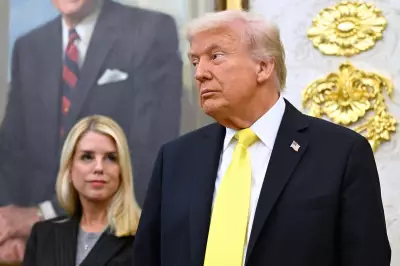
Amid these tense times, Trump appears more focused on internal political manoeuvres, particularly the rivalry between Vice President JD Vance and Secretary of State Marco Rubio, both seen as potential successors in the 2028 election. Rubio currently enjoys Trump's favour, while Vance's scepticism towards the Iranian "excursion" might bolster his long-term appeal. This dynamic adds a layer of political theatre to the crisis, with Trump even commenting on their footwear—a trivial distraction that highlights the surreal nature of the situation.
Broader Implications and Public Perception
The conflict evokes comparisons to historical moments of leadership disconnect, such as Nicolae Ceaușescu's final speech in Romania, though such parallels are not exact. Trump's genius has long been his ability to make unfounded claims that his supporters accept, but this war feels different. It directly contradicts his core campaign promises, risking a erosion of trust among his base. As the US runs out of viable targets and the economic toll mounts, the president's threadbare strategy is becoming increasingly apparent, even if no one is openly declaring him "naked."
In these frightening times, the public seeks solace in humour, such as anecdotes about Rubio's ill-fitting shoes—a metaphor for the administration's broader missteps. While sources for such stories may be unreliable, they reflect a desperate need for levity amidst uncertainty. Ultimately, Trump's Iran adventure not only jeopardises global stability but also threatens to finish him off politically at home, as the gap between rhetoric and reality widens.