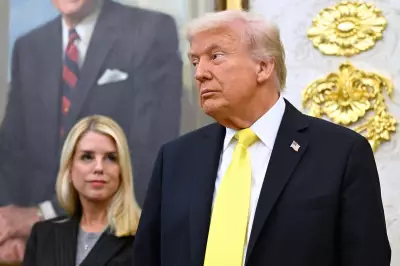
Kenneth Roth, a Guardian US columnist and former Human Rights Watch executive director, argues that Donald Trump's ongoing military actions against Iran closely resemble Richard Nixon's approach to the Vietnam War, with both presidents driven by a desire to avoid political embarrassment rather than achieve meaningful strategic goals.
Nixon's Legacy of 'Peace with Honor' and Its Devastating Costs
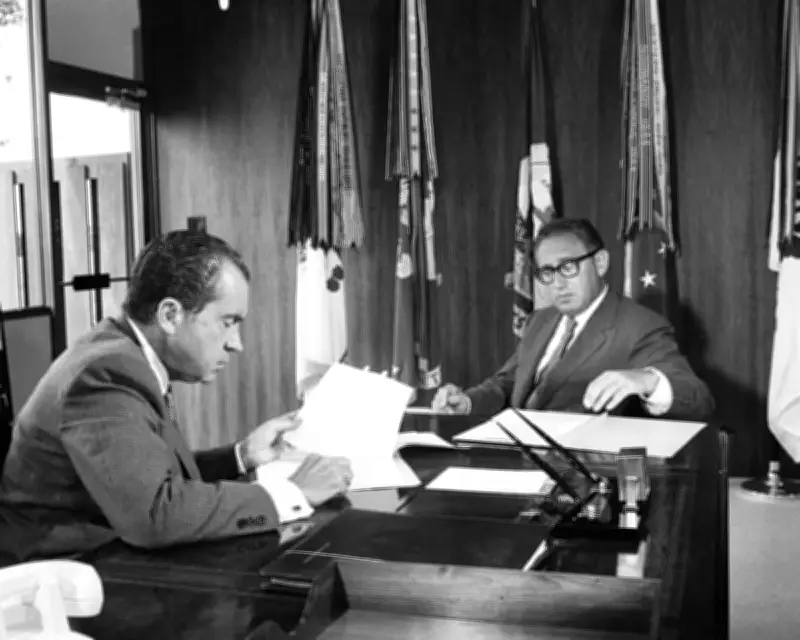
In his analysis, Roth recalls how Richard Nixon famously campaigned on achieving "an honorable end" to the Vietnam War during the 1968 Republican National Convention. This slogan became a cornerstone of his presidency, but in practice, it translated into a cynical strategy aimed at preserving Washington's credibility. Nixon sought a "decent interval" between the U.S. withdrawal and the collapse of South Vietnam, a plan that prolonged the conflict unnecessarily.
To secure this two-year gap from the 1973 Paris peace accords to the fall of Saigon in 1975, Nixon and his national security adviser Henry Kissinger expanded bombing campaigns into Vietnam, Cambodia, and Laos. This period resulted in over 20,000 American military deaths and a significantly higher toll among Vietnamese, Cambodian, and Laotian civilians, illustrating the human cost of political posturing.

Trump's Iran Bombing: A Search for Justification
Roth questions why Trump continues to bomb Iran, given the lack of clear military objectives. The White House has stated that Iran's ballistic missile capacity is "functionally destroyed," and its nuclear program was reportedly "obliterated" in June after U.S. and Israeli airstrikes. Despite Iran retaining enriched uranium, Trump shows no intention of deploying ground troops to retrieve it, and regime change seems off the table, as even Israeli Prime Minister Benjamin Netanyahu acknowledges the limitations of aerial campaigns.
Trump's current focus is on Iran's blockage of tankers in the Strait of Hormuz, which handles 20% of global oil and gas, causing petroleum prices to surge. He has threatened to destroy Iran's electrical infrastructure unless the strait reopens, a move Roth condemns as a potential war crime, citing similar charges against Russian commanders in Ukraine for attacking civilian objects.
Political Motives Over Military Necessity
Roth emphasizes that Trump's goals in Iran are primarily political, not military. The president has expressed a desire for "unconditional surrender" and to make the Iranian regime "cry uncle," echoing Nixon's pursuit of personal honor rather than public welfare. Most Americans, like those during the Vietnam era, prefer disengagement from foreign conflicts, yet Trump persists to avoid the political fallout of perceived defeat.
Iran, emboldened by asymmetric warfare tactics, may feel it has leverage, especially with U.S. midterm elections approaching and gasoline prices as a key issue. Trump has mentioned "very good and productive conversations" with Iran, but Tehran denies talks, claiming Trump is backing down due to threats against regional energy sites. Roth suggests a de-escalation through a ceasefire, with Trump halting bombings and pressuring Netanyahu to follow suit, though the outcome remains uncertain.
Global Consequences and the Need for Change
The article warns of the broader impacts, including economic devastation and civilian suffering, as Trump seeks a face-saving exit similar to Nixon's. Roth calls for an end to the senseless conflict, urging Trump to prioritize global stability over political victories. He concludes by highlighting Trump's history of false declarations of success and advocates for a shift toward peace, drawing on lessons from past failures in Vietnam, Afghanistan, and Iraq.