Trump Circumvents Congress Over Iran Conflict as Republicans Yield Authority
In a stark departure from historical precedent, President Donald Trump has initiated a military campaign against Iran without seeking congressional authorization, a move that has been met with acquiescence rather than opposition from Republican majorities in both the Senate and House of Representatives. This development marks a significant shift in the balance of war powers, allowing the president to conduct operations free from legislative interference.
Republican Leadership Defends Presidential Authority
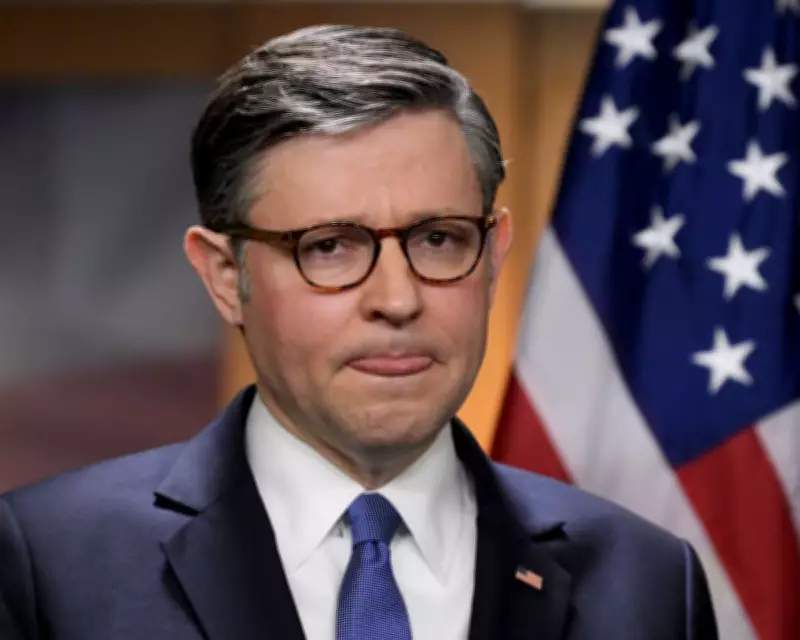
House Speaker Mike Johnson, a close ally of Trump, asserted on Monday that the president is acting within his legal authority, citing longstanding traditions. "My understanding of the law has always been – and this is the tradition and the way the law has been used and observed over many decades – the president was acting well within his authority," Johnson stated after a classified briefing. Similarly, Senate Majority Leader John Thune dismissed the need for congressional approval for ongoing operations, emphasizing the president's existing powers.
Congressional Votes Block War Powers Measures
This week, Senate Republicans blocked a Democratic-backed war powers resolution that would have required congressional permission for continued hostilities against Iran. The House followed suit, voting down a similar measure. These actions effectively remove legislative oversight, despite concerns from legal experts about the war's legality and its financial and human costs.

Costs and Casualties Mount in Early Stages
According to official reports, the conflict has resulted in the deaths of six U.S. service members and at least 1,230 Iranians. A recent analysis by the Center for Strategic and International Studies estimates the cost of the war's first 100 hours at $3.7 billion, averaging $891.4 million per day. Republicans have downplayed the severity, with Johnson claiming, "we're not at war right now," while others, like Senator Lindsey Graham, argue it is a necessary response to decades of enmity with Iran.
Partisan Divide Shapes Political Landscape
The war has become a highly partisan issue, with Democrats positioning themselves in opposition, contrasting with their historical struggles over foreign policy decisions like the Iraq war. In 2002, many Democrats supported President George W. Bush's authorization for military force, a move that later became politically costly. Today, only one Senate Democrat, John Fetterman, opposed the war powers resolution, while Republican Rand Paul supported it, highlighting internal divisions.
Democratic Strategy and Voter Sentiment
Democrats are leveraging the war in their political messaging, focusing on affordability and domestic concerns. House Minority Leader Hakeem Jeffries criticized the conflict, linking it to economic issues at home. However, progressive groups like Justice Democrats argue that opposing war powers votes alone is insufficient; they urge Democrats to reject any funding for the war to solidify an anti-war stance ahead of midterm elections.
Constitutional Concerns and Future Implications
Some Republicans, such as Warren Davidson, have expressed constitutional worries, arguing that the president should not have unchecked power. "For me, the debate is more fundamental: is the president of the United States, regardless of the person holding the office, empowered to do whatever he wants? That's not what our constitution says," Davidson remarked. As the conflict continues, Republicans may bear the political burden, with polls showing majority public opposition, potentially benefiting Democrats in upcoming elections.