Trump Confronts Hecklers During State of the Union Address
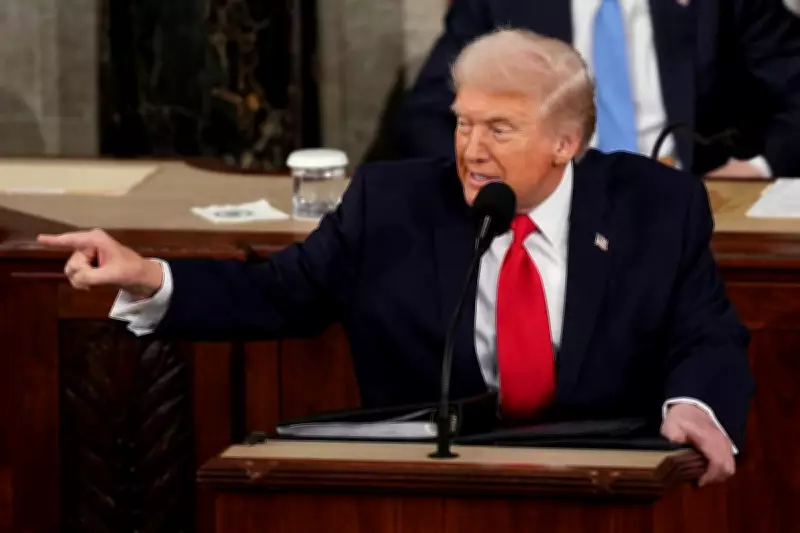
President Donald Trump faced a heated confrontation with Democratic representatives during his 2026 State of the Union address, scolding hecklers who disrupted his remarks on immigration enforcement. The incident unfolded as Republicans gave Trump a standing ovation for his comments on funding the Department of Homeland Security and advancing his immigration agenda.
Fiery Exchange Over Immigration Policies
Representatives Ilhan Omar and Rashida Tlaib, both members of the progressive "Squad," shouted down Trump as he criticized Democrats for not supporting his sweeping immigration plans. "They saw the videos, Mr. President. They saw the videos. You’re killing Americans!" Tlaib yelled, referencing videos of immigration enforcement actions. Trump snapped back, "You should be ashamed of yourself, not standing up," highlighting the partisan divide in the chamber.
References to Alex Pretti Shooting
The exchange intensified when Tlaib referenced the shooting death of Alex Pretti, a Minneapolis nurse killed by federal agents, shouting, "Alex wasn’t a criminal!" She and Omar repeatedly chanted, "You’re killing Americans!" as Trump defended his policies, emphasizing his call for stricter enforcement measures. This moment underscored the deep tensions over immigration and law enforcement in the United States.

Political Fallout and Reactions
The clash occurred during one of the GOP's biggest applause lines, with Republicans rallying behind Trump's immigration stance. Analysts note that such incidents reflect the ongoing polarization in American politics, particularly on issues like border security and immigrant rights. The State of the Union address, typically a formal event, was marked by this rare public confrontation, drawing attention to the volatile nature of current political discourse.
In the aftermath, both sides have doubled down on their positions, with Democrats condemning Trump's policies as harmful and Republicans praising his firm stance. The event has sparked debates on decorum in political settings and the impact of such exchanges on public perception of governance.