Trump Directs DHS to Pay TSA Agents as Shutdown Drags On
President Donald Trump has announced he will sign an executive order instructing the Department of Homeland Security to immediately pay TSA agents who have been working without compensation due to the ongoing partial government shutdown. This shutdown, now in its 40th day, stems from a legislative impasse over DHS funding, leaving thousands of federal employees in financial distress.
Airport Chaos and Staffing Shortages Intensify
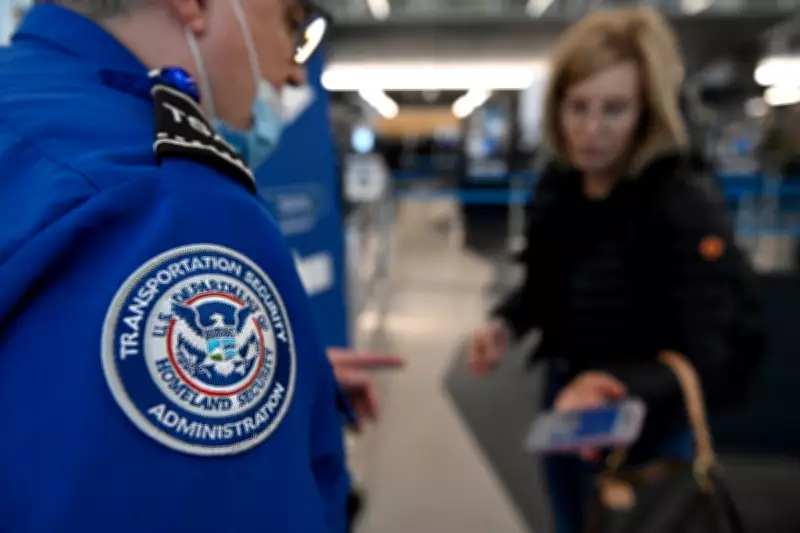
The prolonged funding lapse has resulted in significant operational challenges at airports across the United States. Staffing shortages have become widespread, leading to extended security lines and heightened passenger frustrations. Acting TSA Administrator Ha Nguyen McNeill has publicly detailed the severe impacts, noting that many agents are facing dire circumstances, including some who have resorted to sleeping in their cars or selling plasma to make ends meet.
Political Stalemate Over Immigration Reforms
Democratic lawmakers are insisting on reforms to immigration enforcement policies before they will agree to approve funding for the Department of Homeland Security. This demand has created a deadlock in Congress, with bipartisan negotiations reportedly stalling. The political gridlock shows no signs of immediate resolution, exacerbating the uncertainty for TSA personnel and other affected government workers.

Broader Implications of the Shutdown
The partial government shutdown, one of the longest in U.S. history, underscores deeper issues within federal budgeting and political partisanship. Key points include:
- TSA agents missing their first paychecks, threatening airport security and efficiency.
- Growing public concern over the humanitarian and economic toll on federal employees.
- Potential long-term effects on government morale and recruitment if the shutdown persists.
President Trump's order aims to alleviate what he described as "chaos at the airports", but it remains unclear how quickly payments can be processed given the funding constraints. As the shutdown continues, the focus shifts to whether this move will spur legislative action or merely serve as a temporary fix amid ongoing political disputes.