Trump Issues Executive Order to Shield Army-Navy Football Game from Broadcast Competition
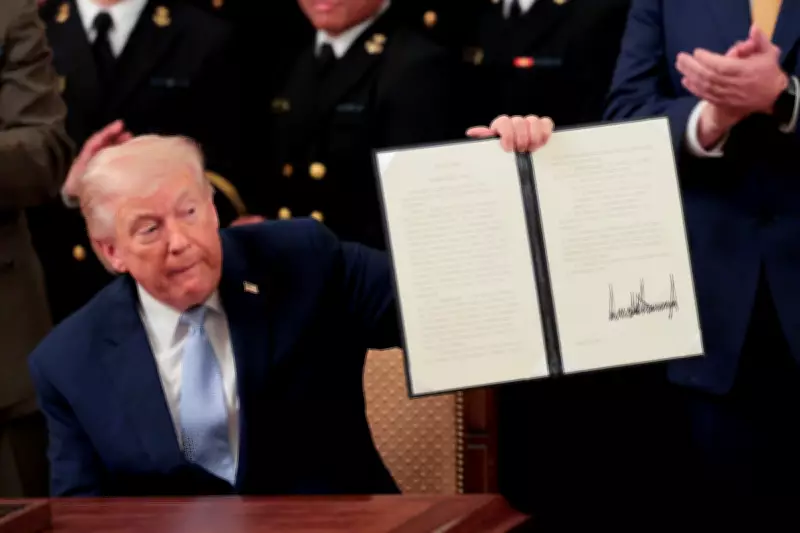
President Donald Trump has formally signed an executive order designed to safeguard the annual Army-Navy football game from scheduling conflicts with other college football broadcasts. The order, enacted on Friday, March 20, 2026, explicitly prohibits the airing of competing games, including postseason events like the College Football Playoff (CFP), during the same time slot as the historic military academy matchup.
Preserving a National Tradition
Speaking ahead of the signing ceremony at the White House, Trump emphasized the cultural and symbolic importance of the game. "Nobody's going to play football for four hours during that very special time of the year, in December. It's preserved forever for the Army-Navy game," he declared. The president framed the move as a protective measure for a cherished American tradition, arguing that it reinforces national morale and honors military service.
The executive order was signed during a presentation of the commander-in-chief trophy to the Navy football team, underscoring its military context. According to the official text, the policy aims to "protect the national focus on Military Service Academies" and eliminate distractions that could diminish the event's significance. "Such scheduling conflicts weaken the national focus on our Military Service Academies and detract from a morale-building event of vital interest to the Department of War," the document states.

Legal and Political Implications
Despite bipartisan support from some lawmakers who have urged college football authorities to respect the exclusive broadcast window, the executive order is anticipated to encounter legal challenges. Critics may question the federal government's authority to regulate sports broadcasting schedules, potentially leading to court battles over its constitutionality and enforcement.
The order mandates that "no college football game, specifically college football's CFP or other postseason games, be broadcast in a manner that directly conflicts with the Army‑Navy Game." This directive could impact television networks, athletic conferences, and scheduling committees, forcing them to adjust plans to comply with the new federal policy.
Broader Context and Reactions
The move comes amid ongoing debates about presidential powers and cultural priorities. While supporters view it as a patriotic gesture that elevates military traditions, opponents might argue it represents governmental overreach into sports entertainment. The Army-Navy game, a longstanding rivalry between the United States Military Academy and the United States Naval Academy, typically draws significant viewership and is celebrated for its emphasis on discipline and camaraderie.
As the situation develops, stakeholders in college football and legal experts will closely monitor the order's implementation and any subsequent litigation. The outcome could set precedents for how federal policies intersect with athletic events and broadcasting rights in the future.