Trump Lashes Out at Reporter Over Arizona Election Records Inquiry
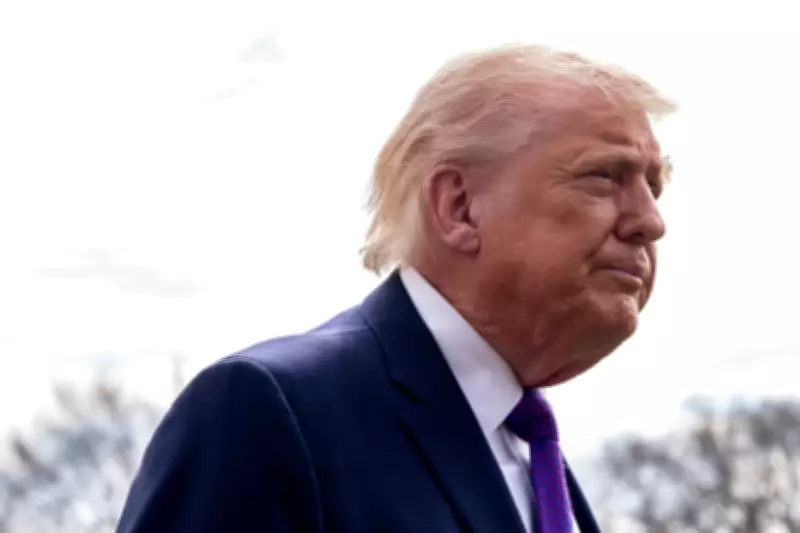
Former President Donald Trump has once again targeted a female journalist with derogatory remarks, this time labelling PBS White House correspondent Liz Landers as a "rotten reporter" during a tense exchange about election records. The confrontation occurred when Landers questioned Trump about the FBI's recent seizure of Arizona voting materials, prompting the former president to respond with characteristic hostility.
Arizona Election Records Seizure Sparks Confrontation
The incident unfolded on Wednesday when Landers asked Trump to explain why federal authorities had taken possession of Arizona's 2020 election records. Trump responded by suggesting the FBI "probably thought the election was rigged," to which Landers countered that the 2020 election had been determined to be legitimate. When she reminded Trump that his own attorney general had found no evidence of widespread voter fraud, the former president snapped: "If you say it wasn't rigged, you're a rotten reporter" before abruptly ending the conversation.
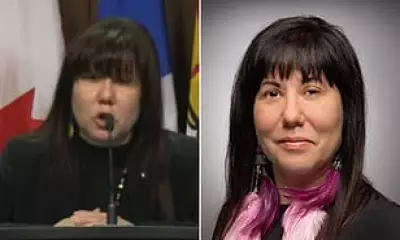
Arizona Attorney General Kris Mayes confirmed her office had cooperated with the records request, describing the Trump administration's investigation as "unserious" and based on "conspiracy theories and lies." Mayes revealed that her predecessor's office had dedicated approximately 10,000 hours examining various fraud claims, including allegations about bamboo ballots from China and Italian satellites manipulating votes, yet found no substantiated evidence of electoral misconduct in Arizona.

Pattern of Attacks Against Women Journalists
This latest outburst represents the fifth instance in recent months where Trump has publicly insulted women reporters who have challenged him during questioning. The pattern reveals a consistent strategy of personal attacks when faced with difficult inquiries about his claims and policies.
In February, Trump told Washington Post reporter Natalie Allison she had a "very bad attitude" after she inquired about divisions within his political base regarding immigration policy. Earlier that same week, he targeted CNN's Kaitlan Collins during questioning about Jeffrey Epstein survivors, complaining that she "never smiles" and calling her "the worst reporter." Trump had previously described Collins as "always Stupid and Nasty" in a social media post last December.
The former president's hostility extends beyond these high-profile encounters. In November, he called CBS correspondent Nancy Cordes a "stupid person" when she asked about his criticism of the Biden administration following a deadly shooting involving an Afghan national. That same month, he insulted New York Times reporter Katie Rogers as "ugly inside and out" and told Bloomberg's Catherine Lucey to be "quiet, piggy" during an exchange on Air Force One.
Broader Context of Media Relations
Trump's adversarial relationship with journalists has been a defining feature of his political career, with his campaign rallies frequently featuring orchestrated displays of hostility toward the press corps. He has consistently dismissed critical coverage as "fake news" and created an environment where journalists face regular verbal abuse during interactions.
Even reporters from traditionally sympathetic outlets have not been immune to Trump's wrath. Last week, he insulted Fox News correspondent Peter Doocy during a college sports event, calling his question about Russian involvement in Middle East conflicts "stupid" despite previously expressing respect for the journalist.
The persistence of these attacks, particularly against women journalists, highlights Trump's continued use of personal insults as a deflection tactic when confronted with challenging questions. As the 2020 election remains a focal point of his political messaging, interactions with journalists covering election integrity claims continue to generate confrontational exchanges that draw attention away from substantive policy discussions.