MPs Vote on Troubles Legacy Law Changes Amid Veteran Protection Fears
Troubles Law Vote Sparks Veteran Protection Concerns

MPs Hold Crucial Vote on Troubles Legacy Legislation Amendments

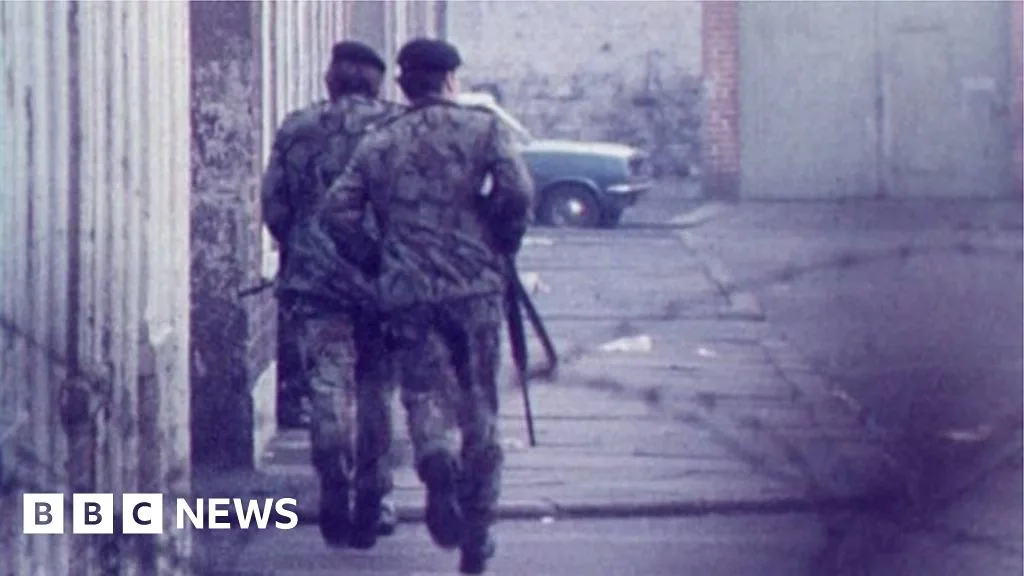
Members of Parliament are scheduled to hold a decisive House of Commons vote today regarding controversial Troubles-era laws, amid significant concerns that British military veterans could face what critics describe as "vindictive lawfare." The Government is seeking parliamentary approval for a remedial order that would repeal immunity provisions contained within existing Northern Ireland legacy legislation.

Legislative Changes and Human Rights Compliance

This remedial order will specifically amend the Northern Ireland Troubles (Legacy and Reconciliation) Act 2023. The proposed changes would eliminate measures that previously allowed perpetrators of Troubles-related crimes to receive immunity from prosecution in exchange for cooperation with a truth recovery body. Additionally, the Government's order aims to remove the existing bar on new civil claims concerning Troubles cases.

Ministers are taking this action following a significant ruling from the High Court in Belfast, which determined that certain sections of the 2023 Act were incompatible with the European Convention on Human Rights. The previous Conservative administration had initiated an appeal against this decision, but the new Labour Government elected in 2024 has chosen to withdraw that appeal and pursue alternative legislative measures.

Political Divisions and Veteran Concerns

Labour has now introduced its own Troubles Bill intended to replace the existing Act and terminate the immunity scheme established under that legislation. This development has prompted strong criticism from opposition figures, with senior Conservative MP Sir David Davis warning that Labour's proposed Bill would effectively "reopen the door to criminal prosecutions against our veterans."

In a detailed article published by the Daily Mail, Sir David expressed grave concerns about the potential consequences for former service personnel. "This week marks the beginning of a process which will expose British soldiers, particularly the SAS, to vindictive lawfare in Northern Ireland," he wrote. "Veterans face decades of investigation, repeated questioning, and public suspicion, even when there is no realistic prospect of a charge."

The Conservative MP highlighted the human cost of prolonged legal processes, noting that in at least one documented case, a veteran died from a heart attack that his family attributes directly to the stress of a twenty-year legal ordeal. Sir David argued that retrospective investigations conducted decades after the events cannot properly comprehend the circumstances under which soldiers operated during the Troubles.

Government Response and Proposed Safeguards

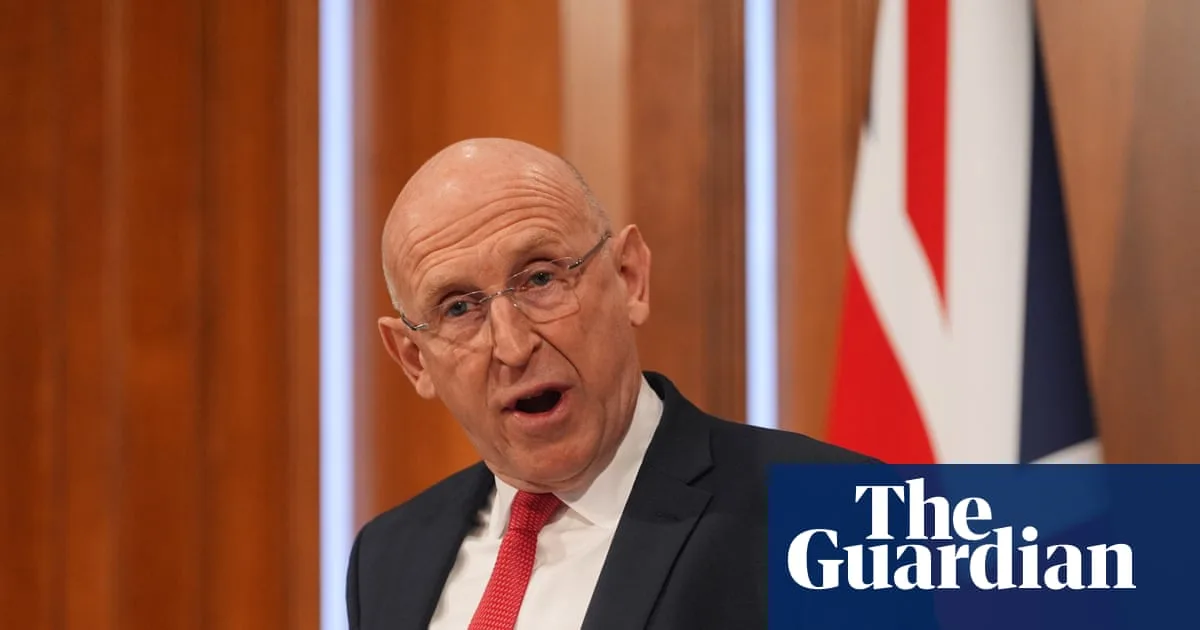
Northern Ireland Secretary Hilary Benn has defended the Government's approach, stating: "Today, I am asking the House to endorse a remedial order to remove indefensible and legally defective provisions contained in the previous government's Legacy Act. This remedial order is essential to rebuild the trust of communities across Northern Ireland who are opposed to the idea that the terrorists who murdered their loved ones could be granted immunity from prosecution if they came forward to the commission."

Mr. Benn further emphasized that the order "restores the historic right of citizens of this country to seek redress through the courts." The Government has simultaneously pledged to introduce new protections specifically designed for veterans. These proposed safeguards include protection from repeated investigations, the right to give evidence remotely, protections for health in old age, the right to seek anonymity, and protection from cold calling by investigators.

Broader Implications and Military Concerns

The debate extends beyond immediate legal implications to broader concerns about military effectiveness and international relationships. Sir David Davis referenced warnings from nine former four-star generals who described the proposed Bill as "morally incoherent" and cautioned that it posed a "direct threat to national security." According to these military leaders, highly trained special forces soldiers are already resigning in response to these developments.

Further concerns have been raised about the potential impact on military relationships with key allies, including the United States, where even Vice President JD Vance has reportedly expressed serious reservations. The Northern Ireland Veterans Commissioner, appointed by the current Labour Government, has also spoken out, suggesting that the Bill treats veterans as "worse than terrorists" and is "eating at the very fabric of the Armed Forces."

As MPs prepare to vote on these significant legislative changes, the debate continues to highlight the complex balance between addressing historical injustices from the Troubles period and ensuring fair treatment for military veterans who served during that challenging time in Northern Ireland's history.