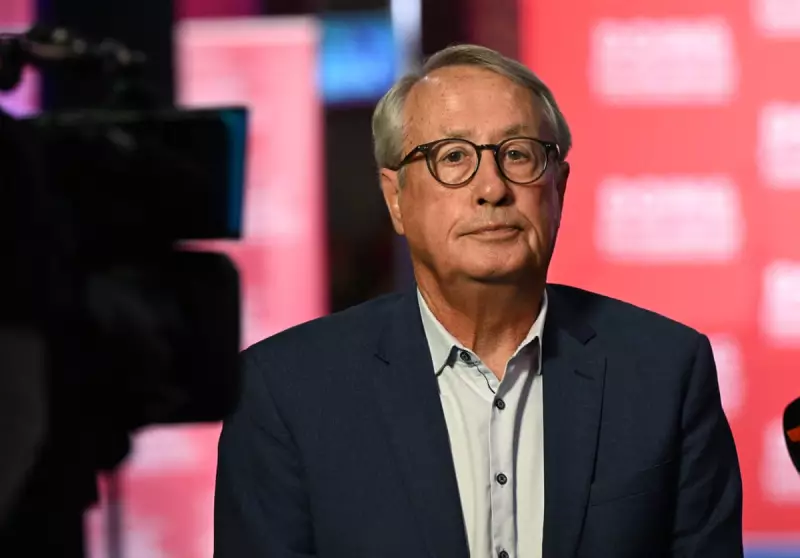
Former Australian Treasurer and Labor Party heavyweight Wayne Swan has issued a stark warning to his own side of politics, urging them to abandon a "highly stylised" and alienating way of speaking to the public.
A Call for Authentic Communication
In a significant intervention, Swan argued that the Labor Party must reconnect with ordinary Australians by ditching political jargon and consultant-driven messaging. He contends that voters are increasingly distrustful of a political class that sounds removed from their everyday concerns and experiences.
The critique was delivered in a speech at the University of Melbourne on Friday, 5th December 2025. Swan, a former national president of the ALP, expressed concern that the party's language has become too polished and insular, failing to resonate with the people it seeks to represent.

The Risk of Alienating Voters
Swan's comments are seen as a pointed message to the current Labor leadership under Prime Minister Anthony Albanese. While not naming individuals, his remarks highlight a growing internal debate about the party's direction and its connection with the electorate after a period in government.
He emphasised that when political discourse becomes overly managed and focus-group tested, it loses its authenticity. This, in turn, erodes public trust and creates a perception that politicians are not being genuine or transparent about their intentions and values.
Swan pointed to the success of past Labor campaigns that used clear, direct, and relatable language to inspire and mobilise supporters. He suggested that a return to this more straightforward form of communication is essential for rebuilding a strong and enduring bond with the community.
Broader Implications for Political Strategy
The warning from such a senior figure carries considerable weight within Labor circles. It touches on a central challenge for modern political parties globally: how to communicate complex policy in a simple way without sounding condescending or disingenuous.
Swan's speech implies that the party's electoral fortunes may hinge on its ability to bridge this communication gap. The call is not merely about changing vocabulary but about fostering a deeper, more empathetic understanding of the public mood and the economic pressures facing households.
This intervention is likely to fuel further discussion about Labor's strategy as it navigates its current term. The underlying message is clear: to win and retain the trust of Australians, the party must speak with them, not at them, using language that reflects shared realities rather than political bubble talking points.