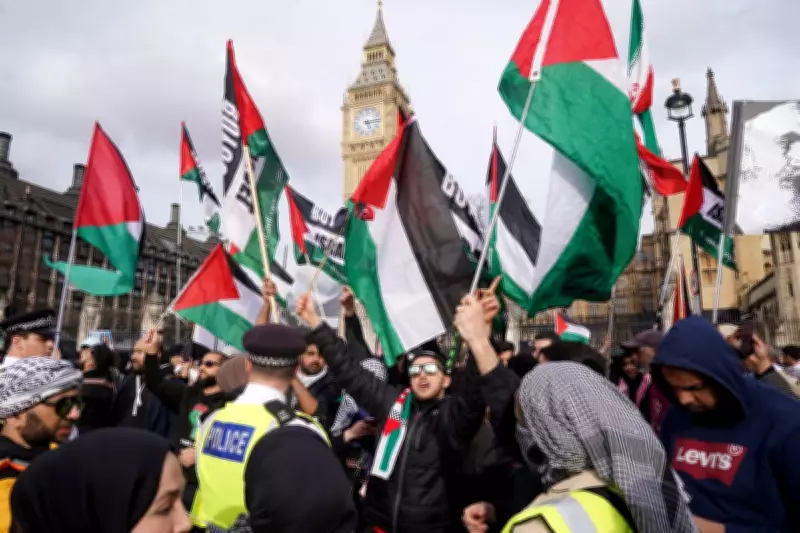
Static Al Quds Day Protest Could Still Spark Serious Disorder, Mahmood Warned
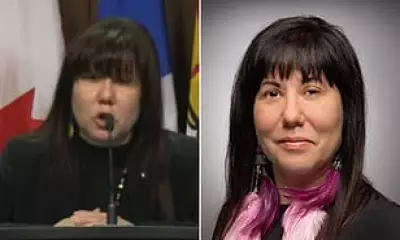
Home Secretary Shabana Mahmood has approved a request from the Metropolitan Police to ban the annual Al Quds Day march in London, scheduled for Sunday. However, a former political violence tsar has warned that the event could still cause serious disorder if it proceeds as a static protest this weekend.
Loophole in Public Order Legislation Highlighted
Lord Walney, the former independent adviser on political violence, has identified a significant loophole in public order legislation. This gap deprives ministers of the power to stop rallies that remain in one location, even when they pose a risk of serious disorder. It was the right decision to ban this due to the risk of serious disorder, but it's not clear how that risk would be substantially lessened if they go ahead with a static protest, Lord Walney told the Press Association.
He emphasised that while freedom of assembly is well-intentioned, it is not absolute. In exceptional cases, such as this, it makes sense for police to recommend that large, static protests should not proceed. Given the volatility of the situation which is already spilling over to British streets, I hope this is an issue that the Home Secretary will look at urgently, he added.

Home Secretary's Decision and Rationale
On Tuesday evening, Ms Mahmood approved the Met's request to ban the march, with a ban on related protests in place until April 11. She explained her decision to MPs, citing the heightened tensions due to the ongoing conflict in the Middle East. This year's event interacts with the ongoing conflict in the Middle East. It comes at a time when the Iranian regime is attacking British forces and bases, as well as those of our allies, she said.
Ms Mahmood also pointed to recent arrests under the National Security Act, where four individuals were detained for allegedly spying on Jewish communities on behalf of Iran. This context creates clear challenges for police, including larger expected attendance and greater potential for conflict between protesters and counter-protesters.
However, she rejected the idea of a loophole, stating that the law deliberately treats marches and static protests differently. It's not a loophole, the law deliberately treats the two things differently, she told MPs, noting that policing challenges would be different in nature for a static event.
Organisers' Response and Planned Static Protest
The Islamic Human Rights Commission (IHRC), which organises the protest, has strongly condemned the banning decision and is seeking legal advice. Despite the ban, they plan to proceed with a static rally at a location yet to be confirmed. In a statement, the IHRC accused the police of abandoning their principle of policing without fear or favour, calling the decision politically charged rather than based on security evidence.
Met Commissioner Sir Mark Rowley acknowledged that there could be some messiness and violence at the protest on Sunday, but he is more optimistic about officers being able to control it as a static protest. Police can impose conditions on static demonstrations, such as dictating location and timing, but cannot stop them entirely.
Background and Political Support
This marks the first time a protest march has been banned since 2012. The Al Quds Day march was due to start outside Downing Street, pass Parliament, and end outside the Home Office. Previous marches have resulted in arrests for supporting terrorist organisations and antisemitic hate crimes, according to Scotland Yard.
Al Quds Day, named after the Arabic name for Jerusalem, is typically held on the last Friday of Ramadan. The decision to ban the march follows calls from both Labour and Conservative MPs. Conservative shadow home secretary Chris Philp welcomed the Government's decision, expressing deep concern about events held since Iran's supreme leader was killed.
Ms Mahmood stressed that the move is limited and specific, focused on unique circumstances without altering the country's pride in freedoms, including the right to peaceful protest. Four counter-protests were also scheduled for Sunday, adding to the complexity of the situation.