Prime Minister Keir Starmer's authority is facing a fresh crisis after his government performed yet another major policy U-turn, this time abandoning plans for mandatory digital ID cards. The reversal, announced on Tuesday evening, marks the latest in a string of abandoned pledges that have left both the public and Labour MPs questioning the government's competence and direction.
A Government in Constant Retreat
The digital ID scheme had been touted as a cornerstone of Labour's strategy to prevent migrants from working illegally in the UK. Its sudden abandonment follows closely on the heels of other significant reversals, including a Christmas U-turn on inheritance tax for farms and a New Year climbdown on business rates for pubs. While these decisions may be pragmatically sound, their numbing predictability suggests a government that fails to think policies through before announcing them.
Sky News has tallied the retreats, counting 13 major U-turns since Labour took office in 2024. The relentless pace of policy abandonment has transformed the government's agenda into a national joke, with no sign of the trend slowing. Proposals on jury trials are reportedly next in line for a rethink, given their deep unpopularity across the political spectrum.

PMQs: From Tragedy to Farce
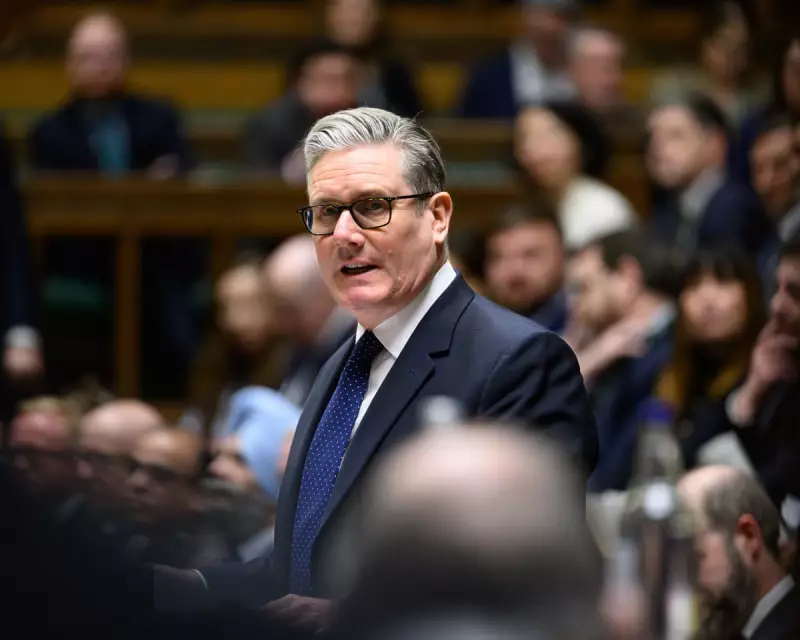
The fallout dominated Prime Minister's Questions, where the session descended into a exchange of painfully weak humour. Conservative leader Kemi Badenoch seized on the government's instability, suggesting the Health Secretary, Wes Streeting, had a point in calling for policies to be "got right first time." Starmer's defence was unconvincing, arguing a U-turn wasn't a U-turn if the policy was never seriously intended—a line that appeared to fall flat even with its author.
In a desperate attempt to deflect, Starmer turned to a cringe-inducing dad joke, accusing the previous Tory government of having "more positions than the Kama Sutra." The attempt at levity backfired, highlighting Starmer's weakness in comic timing compared to his more natural, serious demeanour. The Prime Minister compounded the farce with a laboured gag about the Conservative "shadow cabinet range" at Ikea being made of "dead wood," a joke that died on his lips.
A Leadership Crisis on Both Sides
The theatrical exchange masked deeper crises for both leaders. For Starmer, the tragedy is his squandered mandate. The man who detoxified Labour and won a landslide now appears trapped in Downing Street, losing the faith of his party and the public. His massive parliamentary majority is rendered useless by a perceived lack of clear direction or an ability to implement plans without later disavowing them.
For Badenoch, any talk of a renaissance is premature. While she appeared more confident than a faltering Starmer, her party's poll ratings remain desperate. Her survival as Tory leader is tenuous, clinging on "by her fingernails" as the country remains unforgiving of the Conservative's 14-year record.
The session concluded with a whimper, a piece of amateur dramatics where neither leader gave their all. For Starmer, simply surviving without further damage seemed the goal. The path forward for his government looks increasingly like a journey onwards and sideways, characterised by retreat and ridicule rather than the purposeful leadership promised at the election.