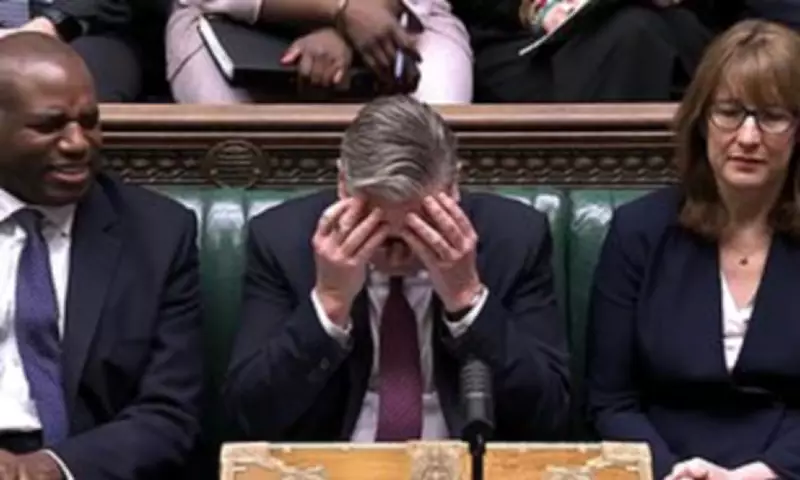
Sir Keir Starmer has been compelled into yet another humiliating policy reversal, this time concerning pornography regulation, following threats of rebellion from female Labour MPs. This significant climbdown represents at least the sixteenth U-turn since the Prime Minister assumed office, highlighting ongoing governance challenges.
The Lords Amendment and Government Backdown
In a major shift, the Government has agreed to prohibit the portrayal of sexual acts between step-relatives in specific circumstances. This decision comes after peers in the House of Lords voted through an amendment to the Crime and Policing Bill last month, aiming to make such pornography illegal. Initially, ministers had argued against the ban, suggesting it would criminalise depictions of lawful adult relationships in real life.
Labour MP Rebellion Forces Change
The reversal was triggered when female Labour MPs warned Number 10 they would not support voting against the Lords amendment. One Labour backbencher explicitly stated the Government had to back down to address the party's perceived 'woman problem'. Relations between Downing Street and female Labour MPs have reportedly worsened in recent months, amid controversies involving figures like Lord Mandelson and Jeffrey Epstein.

The Ministry of Justice has clarified that the ban will criminalise possession and publication of pornography depicting incest between family members, as well as sex between step or foster relations where one participant is pretending to be under 18. Penalties for publishing such material range from two to five years' imprisonment, depending on the content type.
Support from Conservative Peer
Conservative peer Baroness Gabby Bertin, who tabled the amendment and led a review into pornography regulation last year, welcomed the Government's change of heart. David Cameron's former press secretary praised the move, stating it was right to ban 'deeply harmful' content that normalises child sexual abuse and abusive family relationships.
'This content that is freely and widely available online is deeply harmful, normalising child sexual abuse and abusive relationships within families,' Baroness Bertin emphasised. She had previously warned that nearly half of sexual abuse cases involve step-parents and that certain porn genres promote violent behaviour.
Broader Context of Pornography Regulation
This U-turn follows earlier Government action to criminalise pornography showing women being choked, after reviews found such imagery prevalent online. Additionally, ministers announced plans to hold tech executives personally liable if their platforms fail to remove intimate images shared without consent. Senior executives could face imprisonment, fines, or both for non-compliance with Ofcom demands.
The Government has tabled an amendment to the Crime and Policing Bill to enforce this, with debates scheduled in the House of Commons next week. Another amendment proposes a review to introduce age verification for pornography performers and ensure consent checks.
This series of measures reflects growing political pressure to regulate online content more strictly, balancing legal adult freedoms with protections against harmful material. The episode underscores the ongoing tensions within Labour and the broader challenges of digital age policymaking.