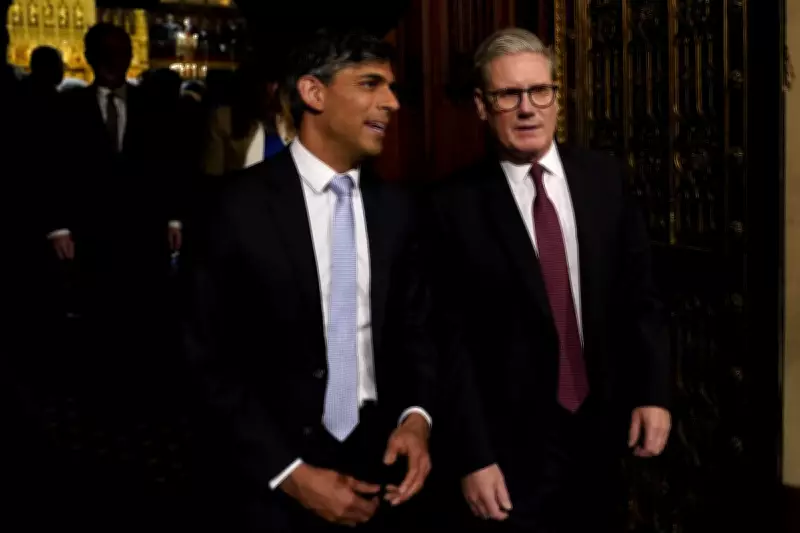
Keir Starmer's Historic Milestone: The Dangers of a Prime Minister Racing Against Time
As Keir Starmer prepares to overtake Rishi Sunak on Tuesday, becoming the 44th-longest-serving prime minister in British history, political observers are assessing his achievements and future trajectory. This arbitrary milestone, marking a year and 255 days in office, could subtly shift perceptions of his leadership, both internally and externally.
A Shifting Perception of Tenure
Suddenly, Starmer will appear to have been in power for a considerable duration, diminishing the validity of blaming inherited Conservative messes. The narrative risks painting him as having squandered opportunities to set a new national direction, now merely counting down his remaining time. While consensus suggests he is "finished," this is nearly tautological—all prime ministers begin their decline from day one. The real question is the length of their tenure before departure, a matter where conventional wisdom falters.
Political Stability Amidst Uncertainty
Starmer's fundamentals remain unchanged since Labour MPs contemplated deposing him last month, following the misjudged appointment of Peter Mandelson as ambassador to Washington. However, not even the most unreasonable fifth of Labour MPs—the threshold to trigger a leadership contest—currently seek to replace him with Angela Rayner, though she remains the likely beneficiary due to her popularity with party members.

Thus, Starmer may persist until a new challenger emerges or desperation drives 81 MPs to gamble on Rayner or another candidate. If these triggers remain untouched, he could survive for years, navigating upcoming elections in Scotland, Wales, and English councils in May.
Historical Milestones and Future Projections
After surpassing Sunak, Starmer will outlast Anthony Eden by 11 April. Subsequent milestones include overtaking figures like the Earl of Aberdeen and Gordon Brown by 22 May next year. Surprisingly, it is quite plausible he could outlast Boris Johnson by surviving until August 2027, potentially being replaced in 2028, a pre-election year.
Prime ministers often care deeply about their place in historical league tables of tenure. Tony Blair, for instance, desired to surpass Margaret Thatcher's record. Sunak, unusually, called an early election to mitigate party losses from inevitable defeat, showcasing a strategic eye on history.
The Perils of Legacy-Seeking
As prime ministers near their end, desperation to leave a legacy can drive policymaking. In Blair's case, this was positive; having achieved much, he used his final year wisely to reform pensions, renew nuclear deterrence, and expand academy schools. Conversely, Theresa May's failed Brexit efforts led her to push for increased education spending, though Chancellor Philip Hammond blocked it, forcing her to settle for net-zero carbon targets by 2050—a move with long-term costs.
Sunak, despite selflessly calling an early election, resorted to irresponsible tax cuts and illiberal policies like phasing out smoking and reintroducing national service, driven by focus groups.
Starmer's Legacy Concerns
The worry for Starmer, as he becomes acutely aware of his political mortality, is his limited achievements. He implemented necessary but unpopular tax hikes, failed to curb public spending, and was unprepared for governance. Repeated mentions of breakfast clubs risk becoming a tired refrain.
In a rush to cement his mark, he may pursue legacy-driven policies, potentially worse than current ones. This underscores the danger of a prime minister in haste to make history, urging caution as Starmer navigates his evolving tenure.