Keir Starmer's Diplomatic Judgements in the Middle East Deserve Acknowledgement
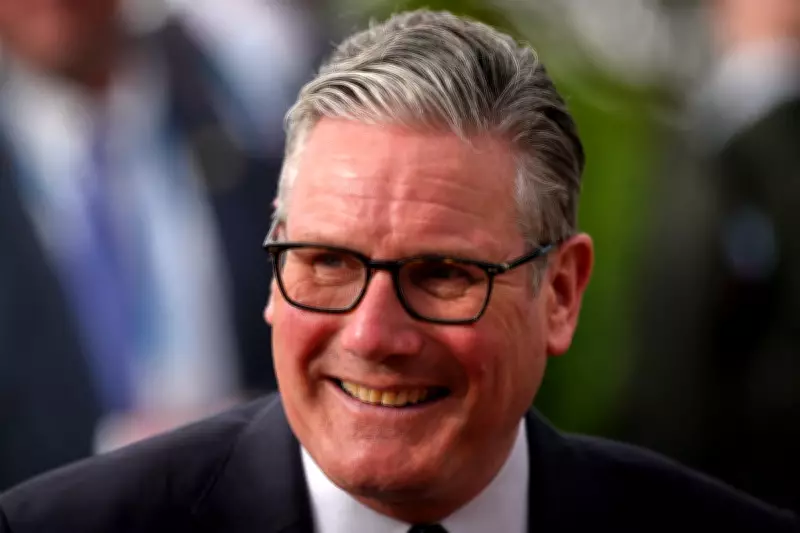
Prime Minister Keir Starmer has been navigating the treacherous waters of Middle Eastern diplomacy with a steady hand, making what many observers consider to be the correct calls during an escalating international conflict. However, the prevailing mood within the United Kingdom remains overwhelmingly negative, with the British public, opposition parties, and a hostile press offering little credit for his measured approach.
The Prime Minister's Strategic Absences and Diplomatic Engagements
Starmer faced immediate criticism last week for taking a brief family holiday to Spain during the Easter parliamentary recess, with detractors quickly reviving the "Never Here Keir" moniker. This absence was followed by a necessary diplomatic mission to the Gulf region, where the Prime Minister engaged directly with key allies—precisely the type of engagement expected from a national leader during a crisis.
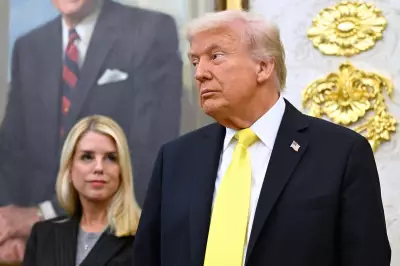
His initial response to the American-Israeli attack on Iran demonstrated particular fortitude. While political figures like Kemi Badenoch and Nigel Farage initially supported what increasingly resembles Donald Trump's Vietnam-style conflict, Starmer politely but firmly expressed his disagreement. He maintained composure as President Trump responded with insults, obscenities, and wild threats, wisely avoiding a direct confrontation with the unpredictable American leader.

Navigating Complex International Waters
The Prime Minister's broader strategic decisions have also been sound. He rapidly assembled an international coalition committed to protecting the Strait of Hormuz—a vital waterway through which one-fifth of the world's oil supply passes. This crucial passage had remained stable for thousands of years until recent actions by Trump and Israeli Prime Minister Benjamin Netanyahu created the current crisis.
Today, Starmer participated in person with regional leaders to discuss ongoing developments, demonstrating hands-on diplomatic engagement. The crisis has unfortunately highlighted Britain's diminished naval capabilities, though deploying warships to forcibly navigate the Gulf would be imprudent even for the United States Navy.
Unfair Criticism and Political Challenges
Recent criticism from former Conservative Defence Secretary Ben Wallace, who blamed Labour cuts for defence budget issues, represents a distortion of reality. The Labour government has actually increased defence spending, with the depletion of naval strength resulting from decisions by both major parties dating back to the Cold War's conclusion.
While Russian shadow tankers being escorted through the English Channel by Vladimir Putin's warships presents an embarrassing situation, Starmer bears minimal responsibility for this development. However, his attempts to gain political advantage from opponents' initial support for Trump's disastrous military actions have failed to resonate with the public.
The Balancing Act of Leadership
Starmer faces the difficult task of protecting British interests while managing relationships with allies whose actions sometimes contradict those interests. His decision to allow the use of British bases for defensive purposes in the Gulf, while drawing careful distinctions between offensive and defensive operations, represents a pragmatic middle ground. Similarly, his plan to send the King on a state visit to the United States later this month maintains important diplomatic channels despite criticism from political opponents.
The Prime Minister's brief holiday, far from being irresponsible, represents both a legal right under human rights conventions and a practical necessity for effective governance. Decision-makers require time for reflection and must avoid exhaustion, yet his staff feel compelled to maintain excessive secrecy about such arrangements.
The Inevitability of Political Blame
As Foreign Secretary Yvette Cooper emphasized this morning, all ministers remain in continual contact despite physical locations. The attack on Iran and its threat of global recession were not of Starmer's making, nor does he support Israel's assault on Lebanon—an issue that previously contributed to Tony Blair's political departure.

Nevertheless, as British living standards face additional pressure from the conflict's economic fallout, the Prime Minister will inevitably shoulder the blame. The Greens, Liberal Democrats, and oppositionist Labour factions will simultaneously criticize him for insufficient resistance to Trump and Netanyahu.
Starmer has consistently made the right decisions in extraordinarily challenging circumstances, but the historical forces that favored him before July 2024 now appear to be conspiring against his leadership. His diplomatic achievements in the Middle East deserve recognition, yet domestic politics ensures he is unlikely to receive it.