Starmer's Mandelson Appointment Sparks Confusion and Media Scrutiny
Keir Starmer's recent decision to appoint Peter Mandelson has ignited a wave of confusion and intense media scrutiny, leaving many political observers questioning the strategic rationale behind this move. The appointment, which was announced earlier this week, has been met with bewilderment from various media figures, who have expressed doubts about its timing and potential impact on Labour's overall political messaging.
Media Figures Express Doubts Over Strategic Rationale
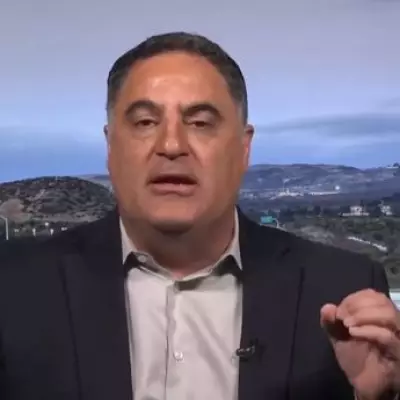
During recent media rounds, several prominent journalists and commentators have openly criticised the appointment, highlighting a lack of clarity in Starmer's decision-making process. One media personality, who participated in a broadcast interview, reportedly admitted to having no clear understanding of why Mandelson was chosen, describing the move as puzzling and potentially counterproductive. This sentiment has been echoed across multiple news outlets, with analysts suggesting that the appointment could undermine Labour's efforts to present a cohesive and forward-thinking image to the public.
The confusion stems from Mandelson's controversial political history, which includes previous roles in government that have been subject to criticism. Some media experts argue that his association with past Labour administrations might alienate newer voters or detract from Starmer's attempts to modernise the party. Additionally, there are concerns that Mandelson's presence could overshadow other key figures within Labour, leading to internal tensions and a fragmented public perception.

Potential Implications for Labour's Political Strategy
This appointment raises significant questions about Labour's broader political strategy under Starmer's leadership. Key areas of concern include:
- Messaging Consistency: The confusion surrounding Mandelson's role may disrupt Labour's ability to communicate a clear and unified message on critical issues such as the economy, healthcare, and social policies.
- Public Perception: Media scrutiny could lead to negative publicity, potentially affecting voter confidence and Labour's standing in upcoming polls.
- Internal Dynamics: The decision might create friction within the party, as other members question the prioritisation of Mandelson over alternative candidates or strategies.
Furthermore, the timing of this appointment has been called into question, with some analysts noting that it comes at a period when Labour is seeking to consolidate its position ahead of potential elections. The lack of a transparent explanation from Starmer's team has only fueled speculation, with critics arguing that it reflects a broader issue of opacity in political decision-making.
In response to the media backlash, representatives from Labour have attempted to downplay the confusion, emphasising Mandelson's experience and potential contributions to the party's advisory framework. However, these assurances have done little to quell the ongoing debate, as media outlets continue to highlight the apparent disconnect between Starmer's actions and public understanding.
As the situation develops, it remains to be seen whether Starmer will address these concerns directly or if the appointment will have lasting repercussions on Labour's political trajectory. The episode underscores the challenges of navigating media relations in modern politics, where every decision is subject to intense scrutiny and interpretation.