Starmer's National Interest Focus Shields Him from Trump and Blair Attacks
Prime Minister Keir Starmer finds himself in the unusual position of benefiting politically from criticism by both former US President Donald Trump and former UK Prime Minister Tony Blair regarding Britain's limited involvement in recent US military actions against Iran. While both political heavyweights have launched withering attacks on Starmer's approach, public opinion appears firmly behind the current prime minister's emphasis on British national interests above automatic alliance obligations.
Trump's Social Media Broadside and Blair's Transatlantic Warning
Donald Trump unleashed his latest criticism through social media, referring to the United Kingdom as "our once great ally" while dismissing the Royal Navy's preparations to deploy an aircraft carrier to the Middle East. "We don't need people that join wars after we've already won!" Trump declared in a direct message to Sir Keir Starmer.
Meanwhile, Tony Blair used a private gathering to deliver a pointed reminder about the importance of the transatlantic relationship, criticizing Starmer's initial decision regarding US use of UK airbases. "The American relationship matters... If they are your ally and they are an indispensable cornerstone for your security, you had better show up," Blair asserted, drawing parallels to historical military engagements while distinguishing them from current circumstances.
Public Opinion Creates Political Shield for Starmer
In ordinary political circumstances, such high-profile criticism from both sides of the Atlantic would represent significant vulnerability for any prime minister. However, current British public sentiment creates an unusual protective barrier for Starmer. With strong opposition to both Donald Trump personally and to joining what many perceive as another American military adventure, the prime minister's position actually strengthens as transatlantic tensions increase.
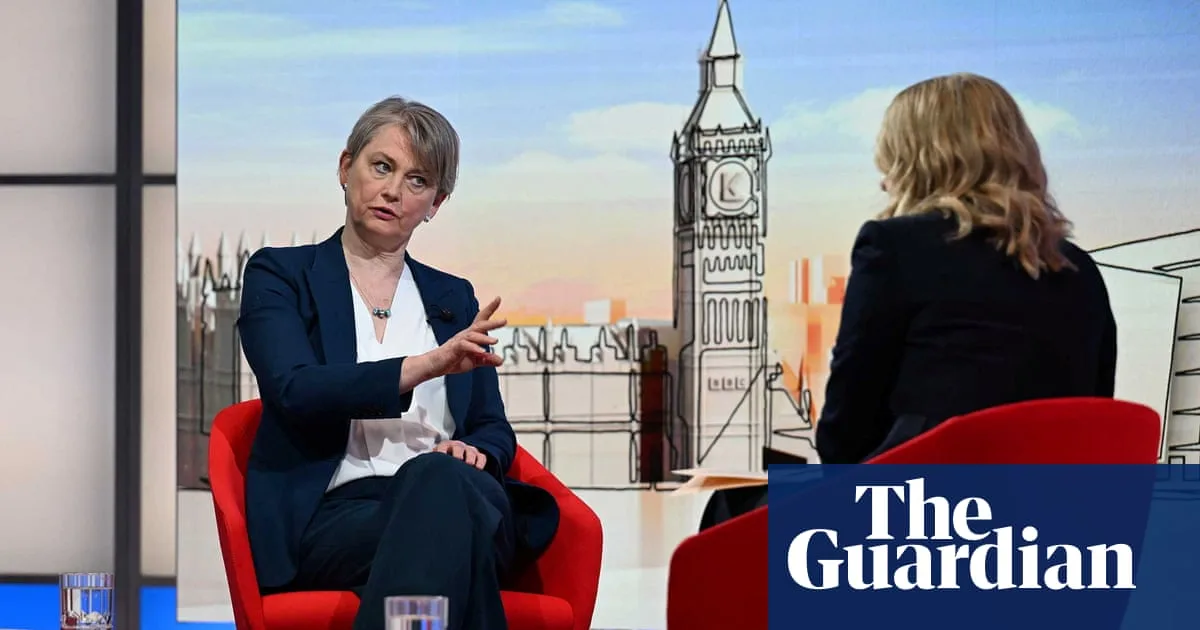
Foreign Secretary Yvette Cooper has repeatedly emphasized the "national interest" framing in her media appearances, a phrase that gains substantial credibility when contrasted with Trump's inflammatory rhetoric. This strategic positioning allows the government to acknowledge genuine divergences in UK and US interests without appearing weak or isolationist.
The Iraq War Legacy Shapes Current Responses
Tony Blair's intervention carries particular historical weight given his central role in Britain's participation in the Iraq War. With that conflict's consequences still fresh in public memory, and with Starmer himself having expressed reservations about that decision, Blair's advice to automatically "show up" for American military actions falls largely on deaf ears in contemporary Britain.
If Starmer's cautious approach to the US-Israel attacks on Iran reflects a deliberate effort to avoid repeating Iraq War mistakes, this provides significant political cover against accusations of hesitation or indecision. The prime minister can position himself as learning from history rather than repeating it, a narrative that resonates with a war-weary British public.
Legitimate Criticisms Amid Political Positioning
Despite the political advantages Starmer gains from his critics' identities, legitimate concerns about the government's response do exist. These include the rapid reversal on US use of UK military bases, inadequate naval presence in the region despite weeks of visible American preparations, insufficient protection for bases in Cyprus, and potential lack of preparedness for economic and energy consequences.
Some military deployments are now being addressed belatedly, and both Trump and Blair's criticisms contain elements of truth regarding aircraft carrier positioning and the reality of UK security reliance on the United States. However, the source of these criticisms currently provides Starmer with what amounts to political immunity from domestic damage.
Strategic Advantage in Unusual Political Circumstances
The current situation represents a rare historical moment where distance from Washington strengthens rather than weakens a British prime minister's position. As the ideological gap between London and Washington widens, Starmer's claim to be motivated solely by British national interest becomes increasingly credible to domestic audiences.
Paradoxically, the louder that discredited voices like Trump and Blair shout their disapproval from the sidelines, the stronger Starmer's political defenses become. This creates a unique scenario where criticism from certain quarters actually reinforces rather than undermines the prime minister's authority and public standing on matters of national security and foreign policy.