Starmer's Desperate Bid to Reset Government Ahead of Make-or-Break Elections
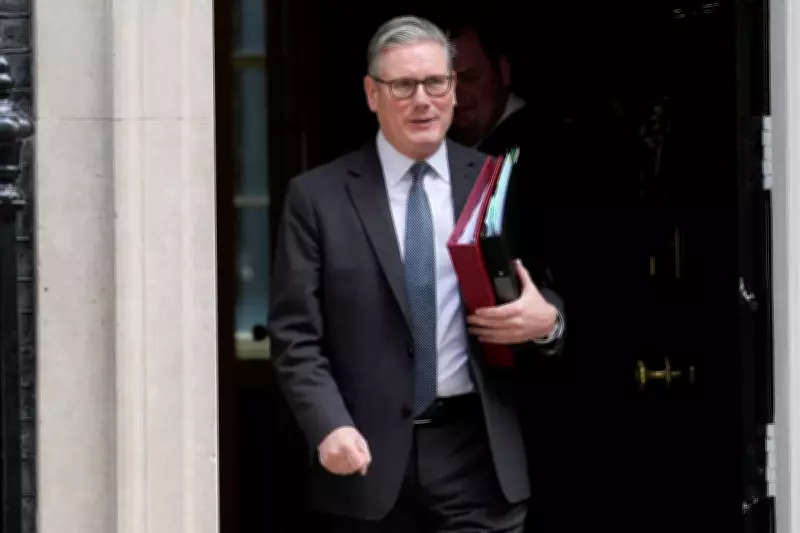
Prime Minister Keir Starmer is reportedly eyeing one final dramatic cabinet reshuffle in a bid to salvage his premiership ahead of what many consider make-or-break elections in May. With his political survival hanging in the balance, Starmer is considering sweeping changes that could see key figures like Health Secretary Wes Streeting and Chancellor Rachel Reeves removed from their positions.
The Reshuffle Strategy: A Shift to the Left
According to political insiders, Starmer's proposed reset would involve bringing back former deputy leader Angela Rayner into the cabinet fold, along with former transport secretary Louise Haigh. Both were previously forced to resign under clouds of scandal, making their potential return particularly surprising. Meanwhile, Lucy Powell, who was sacked from the cabinet in September for being too left-wing on welfare reforms, is said to be pushing for a significant cabinet role after winning the contest to replace Rayner as deputy leader.
The removal of Streeting and Reeves would signal a deliberate shift to the left in economic policy and government direction. As one insider explained: "A shift to the left means a change in economic policy, which means a new chancellor." The current favourites to replace Reeves are Treasury minister Torsten Bell, a former policy expert at the influential Resolution Foundation, and chancellor of the Duchy of Lancaster Darren Jones, who previously served as Reeves' deputy.

The Election Countdown and Internal Pressure
The timing of this potential reshuffle comes as local and devolved election campaigns officially launch for 7 May, a date now circled in red ink as D-Day for Starmer's leadership. Projections based on recent polling analysis suggest Labour could lose an eye-watering 1,700 council seats, while Reform gains 1,500 and the Greens increase by about 600. This has created a sombre mood within the Parliamentary Labour Party.
Unite general secretary Sharon Graham, whose union recently slashed 40 percent of its funding for Labour, publicly voiced what many are privately thinking: "I think after the May elections there will be a move to change leader because I think Labour are going to pretty much be decimated in those elections."
Rayner's Calculated Position
Starmer has already publicly expressed a desire to bring Rayner back into government when possible, but her return is complicated by an ongoing HMRC investigation into her failure to pay stamp duty on a new flat in Brighton. While there's no official conclusion date for the investigation, reports suggest it may be resolved by the May elections.
Supporters are conducting internal party polling for Rayner that concludes she is one of just two potential candidates who could replace Starmer, the other being Andy Burnham, who cannot be a leadership candidate as he's not an MP. This gives Rayner significant leverage in negotiations.
One ally noted: "She is, of course, willing to listen to what might be offered and decide then, but nothing has been offered so far." Regarding leadership prospects, they added: "She did not come into politics to be prime minister, but if there was support for her and a contest, then she could be persuaded to run."
Streeting's Diminished Position
When Downing Street briefed in December that Streeting was planning a coup, it has now emerged that Starmer was actually on the verge of sacking him for disloyalty. Several senior ministers would still like to see this happen, making the health secretary a clear target for a reshuffle aimed at showing the party that Starmer wants to move leftward and leave behind the Blairite right.
One Labour source said: "Wes has missed his chance. Even if he stood against Keir now – assuming he would even have enough MPs to nominate him – Sir Keir feels that he could beat him in a contest and would not stand down." This is reflected in claims by Rayner's allies that their internal polling shows Streeting's popularity is "tanking."

Operational Challenges and Leadership Vacuum
Starmer faces significant operational challenges in executing any reshuffle, particularly following the departure of key advisors. Insiders reveal that Starmer had long stopped taking calls from Lord Mandelson, who was eventually sacked over his links to Jeffrey Epstein and is now facing a police probe. The prime minister had "outsourced" Mandelson to his chief of staff as far back as when Labour were in opposition.
One source explained the current dilemma: "There's nobody in his operation to do the political work on who should be in and who should be out. The last reshuffle was basically done by McSweeney and Mandelson, which is why it was so bad and lopsided. But the prime minister does not have the capacity to do this himself and the problem is he does not have anyone there who can really do it for him."
The Recruitment Problem
Perhaps most damningly, Starmer faces a recruitment crisis within his Downing Street operation. As one source put it: "It is hard to recruit anybody when they think the prime minister could be gone in May." This creates a vicious cycle where Starmer lacks the personnel to execute the very reset that might save his premiership.
As Starmer braces for what some fear could be "an existential beating" in the May elections, he finds himself short of allies and support just when he needs to make his most dramatic reset yet. The proposed reshuffle represents a final gamble – an attempt to change the political narrative and demonstrate control over a party that appears increasingly restive and pessimistic about its electoral prospects.