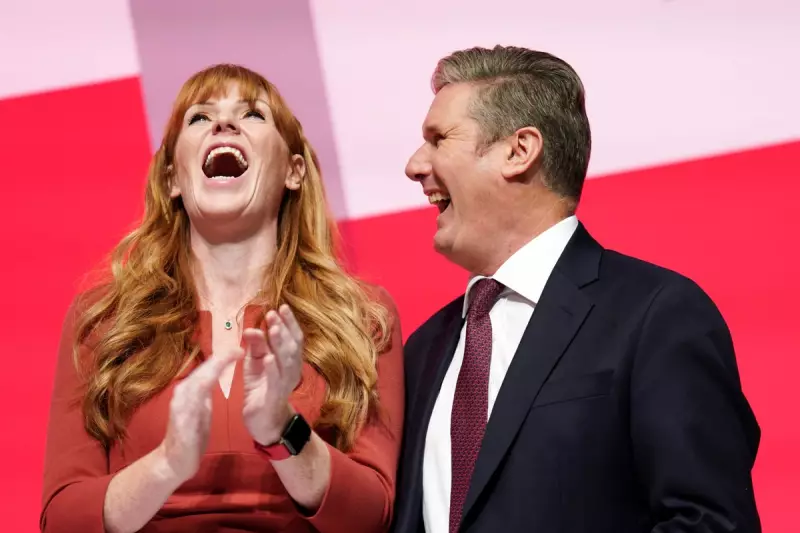
Speculation about a potential challenge to Sir Keir Starmer's leadership of the Labour Party is gathering momentum, with observers noting the Prime Minister's authority appears to be draining away. The talk, which some reports suggest has been unwisely stoked by Number 10 itself, is creating a cycle of instability that threatens to undermine the government's agenda.
The Growing Speculation and a Historical Parallel
The current political chatter bears an uncomfortable resemblance to the latter days of Tony Blair's premiership, when his announced departure date sapped his authority. However, a key difference is stark: Blair faced this dynamic after seven years in power and still won an election. Starmer is confronting it alarmingly early in his tenure.
This theme was highlighted by The Economist in July, following a rebellion by Labour MPs that forced a major dilution of a bill to cut disability benefits. BBC's Laura Kuenssberg agreed the PM's authority had been "given a kick". The narrative intensified last month when Reuters reported Starmer's authority was "shaken" amid a deepening rift with Labour lawmakers.

Failed Briefings and Leadership Manoeuvres
An attempt to quell the rumours through a briefing that Starmer would "stand and fight" any challenge spectacularly backfired, instead fuelling further speculation. The media landscape is now rife with reports of potential successors and internal deals.
The Telegraph led its front page with a story about allies of Health Secretary Wes Streeting proposing a joint leadership ticket with Deputy Prime Minister Angela Rayner. Simultaneously, The Times reported that Tony Blair himself is "frustrated" with Starmer and is "looking closely" at emerging leadership campaigns.
Polling adds another layer. A YouGov survey suggested Ed Miliband has high approval among Labour members, but a previous Survation poll indicated Angela Rayner would clearly beat Starmer in a head-to-head contest, with Miliband's lead within the margin of error.
Why the Cycle is Hard to Break
According to Peter Hyman, a former Starmer adviser who devised the party's "five missions", the Prime Minister is trapped in the "winning strategy" that got him to Number 10: working hard and focusing single-mindedly on the task ahead. Hyman argues Starmer now needs to become "an explainer, a storyteller" to project purpose and direction—a shift that appears unlikely.
This erosion of authority makes it increasingly difficult for Starmer to push through policies that Labour MPs find challenging. Ironically, even when he acts on party desires—such as cautiously moving closer to the EU or spending to alleviate child poverty—the internal chatter about replacing him continues unabated.
The consequence is a vicious cycle: the more people expect a change, the more Starmer's power drains, making a change seem ever more likely. While many commentators believe a leadership change now is a bad idea, the political momentum suggests it is a distinct and growing possibility.