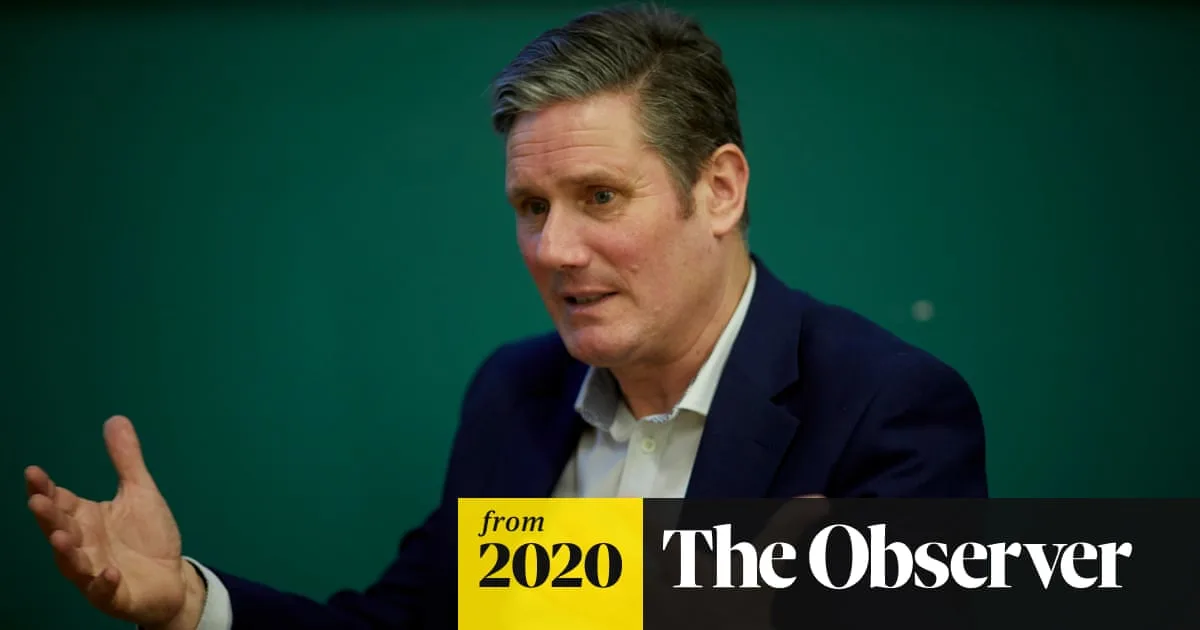
Prime Minister Sir Keir Starmer Issues Warning on Divisive Political Rhetoric
Prime Minister Sir Keir Starmer has issued a stark warning against politicians who seek to "point fingers and divide" the British public, as the Government prepares to publish its detailed plan for enhancing social cohesion across the United Kingdom. Speaking during a visit to a community centre in London on Monday, Sir Keir expressed deep concern about individuals in politics who aim to "set up grievances between different groups of people."
Government's Comprehensive Social Cohesion Strategy
The Government is set to unveil a multifaceted social cohesion plan, which includes robust measures designed to promote integration, tackle religious hatred, and clamp down on extremist influence within key institutions such as charities and universities. This initiative represents a significant step towards fostering unity in a diverse nation.
Sir Keir emphasised that the United Kingdom is a diverse and tolerant country where people from various backgrounds can live side by side harmoniously. He stated, "I think one of the great things about this country is we're a diverse country, where we prove that different people can live alongside each other in a tolerant way, with our values. Actually, that's more than just an observation on who we are as a country. It's what we are as a country."
Key Components of the Cohesion Plan
The forthcoming plan introduces several critical measures aimed at strengthening community bonds and countering extremism:
- A new confidential whistleblowing route for staff to raise concerns about extremist activities within institutions.
- A "campus cohesion charter" to enhance protection for university students and staff, helping institutions meet their Prevent duty obligations to prevent radicalisation.
- Enhanced powers for the Charity Commission to shut down charities and remove trustees swiftly in cases of "extremist abuse."
- An annual report on the state of extremism in the UK, detailing the nature and scale of threats.
- Bolstering of the visa watchlist taskforce to block hate preachers and extremists from entering the country.
Additionally, the plan is expected to include a new definition of Islamophobia or anti-Muslim hatred, alongside reports of the creation of an "anti-Muslim hostility" tsar to address specific challenges.
Addressing Current Conflicts and Divisions
Sir Keir highlighted that the ongoing conflict in Iran is being exploited by some to sow division within UK communities, particularly between Muslim and Jewish groups. He remarked, "It is a really sad feature, isn't it, at a time like this, that some people will try and use it as an opportunity to divide?" He clarified that the cohesion plan is not merely a reaction to this conflict but a broader effort to "bring the country together."
Government and Opposition Perspectives
Deputy Prime Minister David Lammy described the plan as heralding "a patriotic renewal of our communities and the bonds within them – a driving mission for this Government." Communities Secretary Steve Reed added, "The UK is a multi-ethnic, diverse society and we should celebrate each other's cultures and traditions and the shared values that unite us as a nation. We must listen to people's concerns about growing divisions and take action to bring our communities back together."
In contrast, Shadow Communities Secretary Sir James Cleverly criticised the Government's approach, stating, "This is a Government that talks about extremism and division but is too weak to take the action actually required. After the Gorton and Denton by-election it's clear Labour would rather pander to the extremes than confront the difficult causes of growing separatism in Britain." He echoed former minister Kemi Badenoch's sentiment that immigrants should integrate into the shared national culture.
The unveiling of this social cohesion plan marks a pivotal moment in the Government's efforts to address societal fractures and promote a unified, tolerant Britain, amidst ongoing political debates about integration and extremism.






