Starmer's Diplomatic Push to Salvage US Alliance After Trump Spat
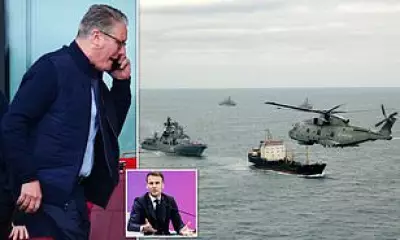
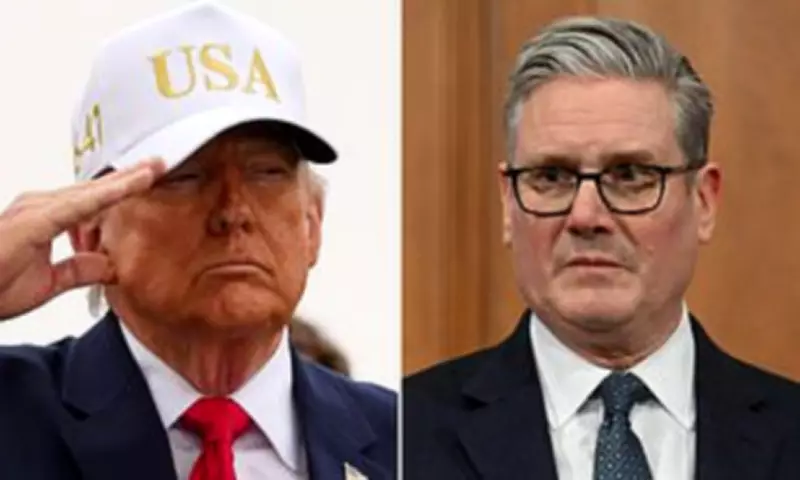
Prime Minister Keir Starmer engaged in urgent damage control last night, striving to preserve the special relationship with the United States following a public rift with President Donald Trump. The 20-minute phone conversation marked their first direct communication since Starmer initially declined a US request to launch attacks on Iran from UK bases.
Military Cooperation and Condolences Amid Escalating Conflict
During their discussion, the leaders addressed military coordination in the Middle East, with Starmer offering sincere condolences for the deaths of six American soldiers in the conflict—a toll that tragically rose to seven by evening. This diplomatic effort comes after Trump unleashed a week of criticism against the Prime Minister, expressing disappointment and questioning the UK's cooperation, even invoking Winston Churchill in his rebuke.
Domestic Crisis Looms as Energy Prices Threaten Living Costs
Simultaneously, Starmer confronts mounting domestic pressures as the Middle East turmoil jeopardizes his government's pledge to reduce living expenses. He acknowledged public anxiety about potential impacts on energy bills during a London community centre visit, stating that supporting families remains his top priority despite challenging circumstances.

The conflict's escalation has triggered alarming developments:
- Iran appointed Mojtaba Khamenei, son of assassinated leader Ali Khamenei, as its new supreme leader
- Israel vowed to pursue and eliminate whoever assumes command of the Islamic Republic
- Tehran's streets resembled rivers of fire following bombardment of oil facilities
- Iran retaliated with missile strikes targeting Israel, Kuwait, Qatar, Saudi Arabia, and Dubai
UK's Vulnerable Energy Position and Price Spike Concerns
Britain faces particular vulnerability to energy market disruptions, with analysts warning of potential record wholesale gas prices across Europe. Oil prices could surpass $100 per barrel within days after Iran effectively blocked the strategic Strait of Hormuz to tanker traffic.
The UK's limited gas storage—approximately 6,700 gigawatt hours, sufficient for merely two days—leaves the nation more exposed than European counterparts to supply disruptions. Energy Security Secretary Ed Miliband has already consulted consumer champion Martin Lewis about potential interventions to shield households from bill increases.
Martin Lewis highlighted a potential ticking time bomb regarding energy costs, noting that while current bills are protected from wholesale spikes, the summer price cap setting in May could create serious problems if rates remain elevated into October.
Military Developments and Ongoing Diplomatic Strains
The conflict has prompted significant military movements, including four B-1 bombers arriving at RAF Fairford, UK deployment of a Merlin helicopter to the region, and HMS Dragon's dispatch to protect Cyprus's Akrotiri base. UK forces successfully intercepted an attack drone targeting Iraq.
Despite Starmer's eventual approval of US military requests, Trump continued his criticism on social media, suggesting the UK's delayed support was unnecessary after conflicts were already decided. Former Army head Lord Dannatt lamented the damaged alliance, while Foreign Secretary Yvette Cooper emphasized focusing on substance over social media exchanges.
Political Fallout and Royal Visit Controversy
The Prime Minister now faces pressure to cancel King Charles's scheduled state visit to America next month, with Liberal Democrat leader Ed Davey arguing that such diplomatic recognition should not reward someone who repeatedly insults the United Kingdom.
As the government maintains confidence in energy security through diverse supply sources including UK continental shelf production, Norwegian imports, and European interconnectors, the dual crises of international diplomacy and domestic energy affordability present Starmer with one of his most challenging early tests as Prime Minister.