Starmer Signals Targeted Support for Household Bills Amid Iran Conflict Fallout
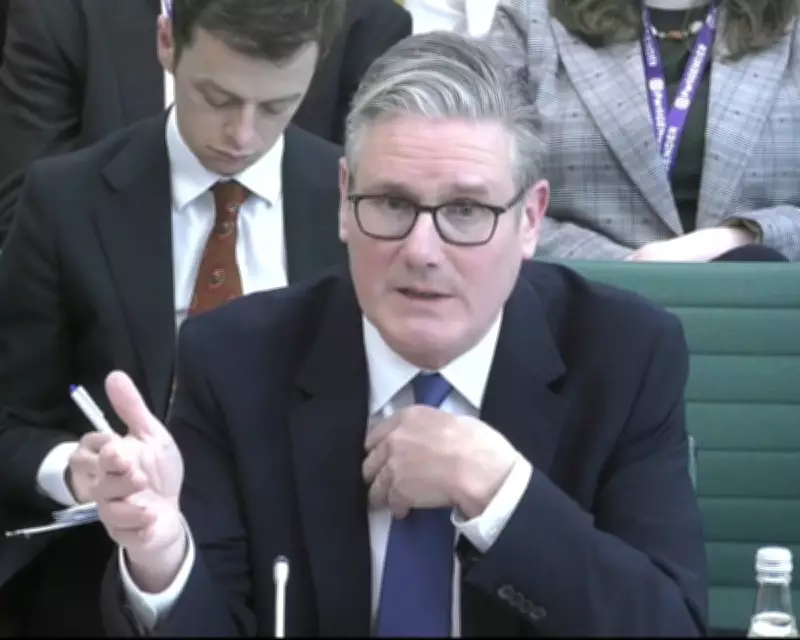
Prime Minister Keir Starmer has indicated that the UK government is preparing targeted financial assistance for household energy bills this winter, as the economic shock from the Iran conflict threatens to persist for months. Addressing the Commons liaison committee, Starmer emphasised that any taxpayer-funded help would likely focus on the poorest households rather than implementing a costly universal bailout.
No Quick End to Energy Price Shock
Starmer warned that there might not be a "quick and early end" to the Iran conflict, despite recent diplomatic efforts, including Donald Trump's decision to postpone US strikes on Iranian power plants. He stressed that the government must plan for a prolonged crisis, which could exacerbate the cost of living pressures on British families.
The prime minister revealed that ministers are actively examining "every lever that's available" to mitigate the impact, with contingency plans being discussed at an emergency Cobra meeting attended by the Bank of England governor. He stated, "We're looking across the board at what can be done, whether it's cost of living or the support we need to put in. I want to make sure we've examined all the appropriate levers that we can pull."

Means-Tested Support and Energy Price Caps
Instead of broad-based relief, the government is working on means-tested support measures tied to the energy price cap cycles. Starmer highlighted that the focus is on the period after the current price cap ends in June, particularly the autumn when household energy consumption and bills peak. He explained, "I think the one we're equally focused on is the one after that, because the June to September/October period is when only about 77% of energy is used within households. It's after that it gets very heavy."
He ruled out a repeat of the universal bailout implemented during Liz Truss's tenure amid Russia's invasion of Ukraine, which cost an estimated £40 billion. Starmer noted, "I'm acutely aware of how much it cost last time round, and I'm acutely aware of the state of the public finances, but we will look this afternoon at what the appropriate approach is."
Combating Profiteering and Defence Spending
In addition to bill support, Starmer announced that the government is considering bolstering the Competition and Markets Authority (CMA) with "further teeth" to prevent companies from exploiting the war through price gouging. He said, "On price gouging or profiteering, we absolutely need to bear down on it, so we are actively considering whether the CMA should have additional powers to deal specifically with that."
Starmer also addressed delays in the defence investment plan, acknowledging tensions between the Treasury and Ministry of Defence over funding. He confirmed the plan is on his desk and will be "finalised soon," but insisted on clarity over funding sources before making commitments.
Despite Trump's pause on airstrikes, Starmer cautioned that the energy crisis could endure, urging a focus on de-escalation while preparing for extended challenges. He concluded, "All of our focus and energy has to be in the swift de-escalation, but we've got to plan on the basis that it could go on for some time."