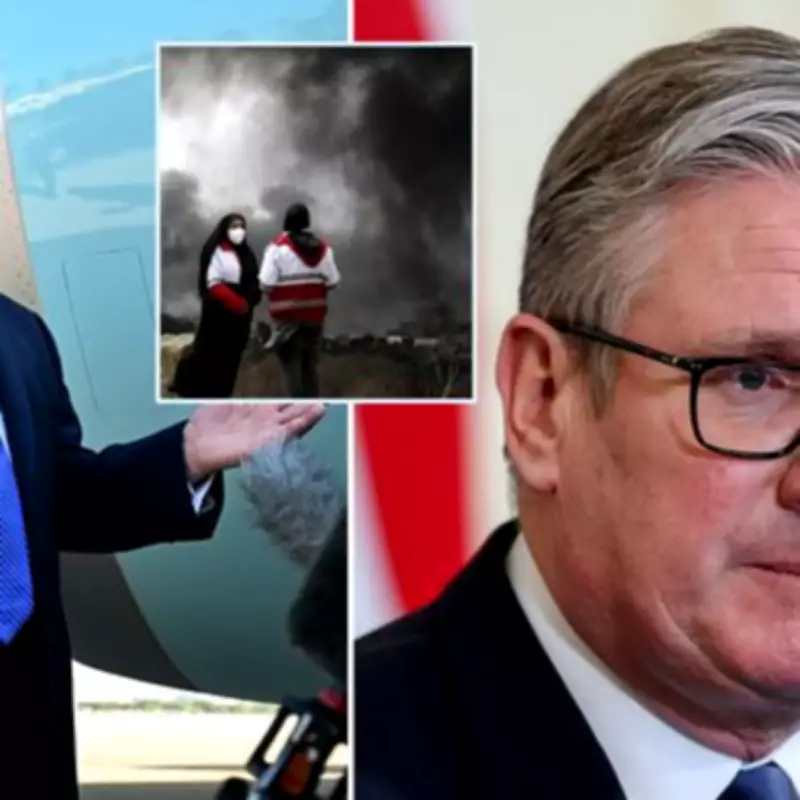
Prime Minister Grilled on Fuel Security and Iran War Fallout
Prime Minister Keir Starmer has been subjected to rigorous interrogation by senior MPs on the Liaison Committee, addressing mounting anxieties over fuel supplies and the economic repercussions of the ongoing conflict in Iran. During the session, Starmer sought to allay public fears, stating that the government harbours no "meaningful concern" regarding energy supplies, though he acknowledged daily price fluctuations pose a persistent challenge.
Winter Energy Support Under Scrutiny as Price Cap Deadline Looms
The Prime Minister hinted at potential government interventions to cushion households from escalating energy costs, particularly as the current energy price cap is set to expire in June. Starmer confirmed that his administration is actively evaluating support mechanisms that may be necessary by September, when energy consumption typically surges and prices could rise again. He emphasised the difficulty in predicting the duration of the disruption, advising that preparations must account for the conflict persisting "for some time."
Renewables Push and Anti-Profiteering Measures Highlighted
In response to questions about long-term energy stability, Starmer advocated for an accelerated transition to renewable sources, arguing that greater energy independence would mitigate future price spikes during international conflicts. He also addressed calls for short-term government action to curb profiteering, revealing that the Competition and Markets Authority (CMA) has been tasked with investigating the issue. The Prime Minister indicated that additional regulatory powers for the CMA are under consideration to combat price gouging effectively.

Heated Exchange Over Defence Readiness and Funding
The session turned contentious when Tory MP Bernard Jenkins accused the government of failing to adopt a "war-footing" mentality, criticising delays in publishing a defence investment plan. Starmer defended the government's approach, citing the need for fiscal clarity and blaming previous administrations for "significant underfunding" and "hollowing out" of the armed forces. He confirmed that the defence investment plan is now on his desk and assured that military capabilities remain robust, despite concerns over resource shortages.
Iran Conflict and Economic Impact Dominate Cobra Agenda
Starmer disclosed that an emergency Cobra meeting scheduled for later today will focus extensively on the economic fallout from the Iran war, including strategies to support households and businesses. He reiterated that while energy supplies are secure, the conflict's duration remains uncertain, necessitating proactive planning. The Prime Minister also condemned a recent arson attack on Jewish community ambulances in north London, pledging government support for replacements and denouncing the act as an assault on British values.
International Diplomacy and Market Turmoil
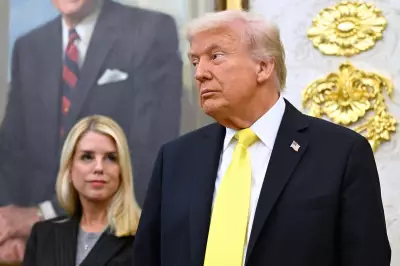
Amidst the domestic focus, Starmer referenced a recent phone conversation with US President Donald Trump, where both leaders agreed on the necessity of reopening the Strait of Hormuz to stabilise global energy markets. This comes as oil prices have experienced volatile swings, with Brent crude fluctuating dramatically, intensifying fears over living costs. The Prime Minister downplayed immediate threats to UK territories, noting that while missiles were directed toward a UK-US base on Diego Garcia, none struck the islands, and there is no assessment that Britain is being directly targeted.
As the Liaison Committee session concluded, Starmer emphasised the government's commitment to leveraging all available tools to address the cost-of-living crisis, with the Cobra meeting poised to explore targeted support options. The ongoing scrutiny underscores the multifaceted challenges posed by geopolitical tensions and their domestic economic ramifications.