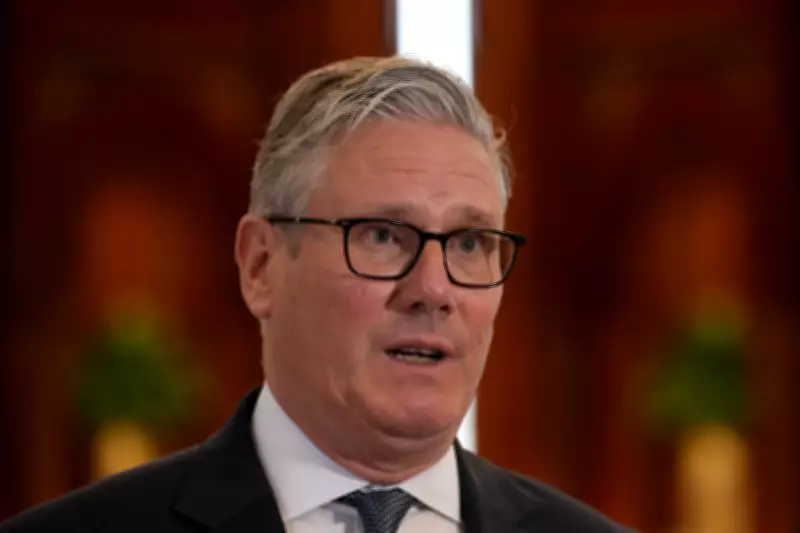
Starmer Chairs New Committee to Respond to Iran Crisis
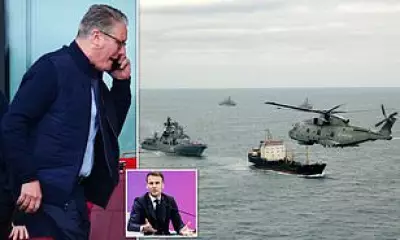
The formation of a new Cabinet committee signals that the situation in the Middle East will have a prolonged and significant impact on the United Kingdom. Prime Minister Sir Keir Starmer will lead this group, known as the Middle East Response Committee, which held its inaugural meeting on Tuesday.
Focus on Strait of Hormuz and Global Implications
The committee's first session concentrated on efforts to reopen the Strait of Hormuz, a critical shipping route for global oil and gas supplies. This strategic waterway has become a focal point due to the ongoing Iran conflict, which has driven up energy prices, caused stock market turmoil, and exposed deep divisions between the United States and its traditional European allies.
No 10 insiders have compared this new panel to committees established under previous Conservative prime ministers to handle Brexit preparations and the Covid-19 pandemic. A government source described the "new central structure" as focusing on "medium-term scenario planning to respond to developments in the region over the coming weeks and months."

Economic and Diplomatic Context
Oil prices retreated below 100 US dollars a barrel in Tuesday morning trading, with Brent crude edging 1% lower to 98.3 dollars, following hopes that US-Iran negotiations might be revived. Stock markets also showed gains, with the FTSE 100 Index in London up 0.2% and indices in Germany and France rising by around 1%.
Chancellor Rachel Reeves emphasized that families and businesses across Britain are bearing the cost of instability "they did not cause" as a result of the Middle East conflict. Ahead of the International Monetary Fund's spring meetings in Washington DC, she urged coordinated global action to tackle the economic shock caused by the war.
Reeves stated: "The Iran conflict must be a line in the sand on how we deal with global crisis and instability. I will go to America with a clear message: global leaders must take co-ordinated economic action and supercharge the path to energy security to protect ourselves in the future."
International Efforts and US Relations
Deputy Prime Minister David Lammy met with US Vice President JD Vance and Secretary of State Marco Rubio in Washington DC to discuss the current crisis in the Strait of Hormuz. Lammy highlighted the UK's role in international efforts to ensure free passage through this maritime chokepoint.
Meanwhile, US President Donald Trump defended his actions, stating: "We can't let a country blackmail or extort the world because that's what they're doing." Iran has selectively closed off the strait since the US-Israeli bombing campaign began, allowing only some tankers to pass with permission. Trump's blockade aims to cut off Iran's revenue from these vessels.
Committee Structure and Long-Term Planning
Alongside the ministerial committee, whose full membership has not yet been disclosed, senior officials will meet under the chairmanship of Cabinet Secretary Dame Antonia Romeo. This new structure acknowledges that the situation will continue to impact the UK for some time, though emergency Cobra committee meetings will still address immediate crises.
The focus on the Strait of Hormuz comes as the UK and France prepare to host a summit to consider options for securing the shipping route once hostilities cease. This proactive approach underscores the government's commitment to mitigating both domestic and international repercussions of the conflict.