
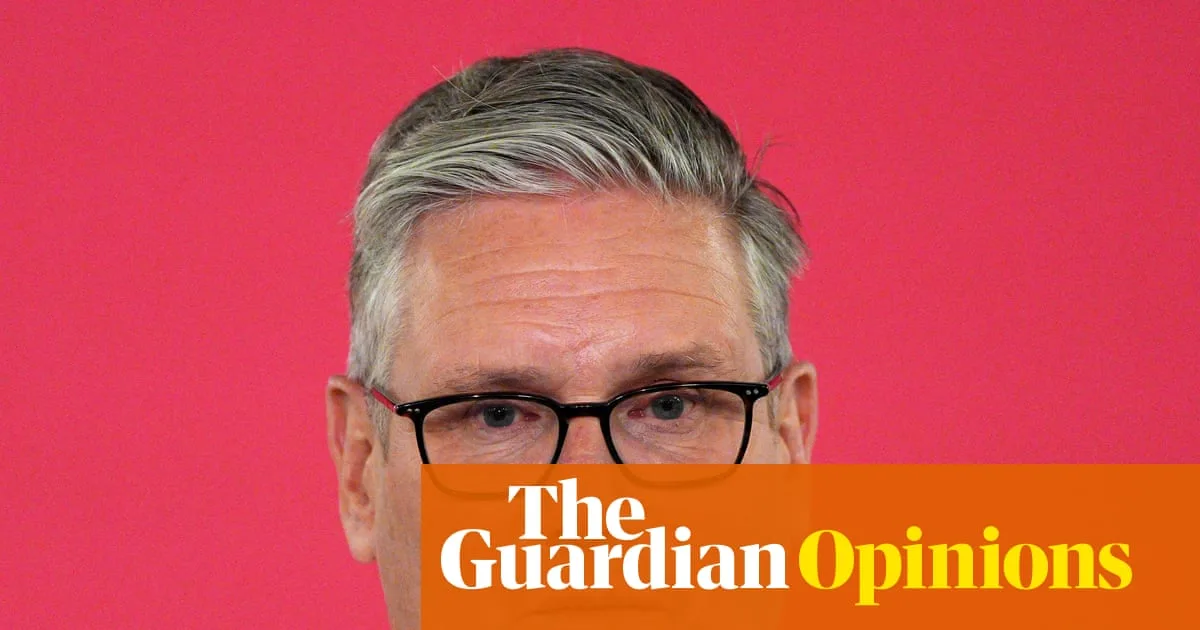
Sir Keir Starmer's leadership is hanging by a thread after scores of Labour MPs publicly demanded an orderly transition of power. The prime minister's attempt to reset his premiership with a speech on Monday failed to quell discontent, with backbenchers now questioning his legitimacy as leader. The rebellion follows disastrous local and devolved elections that saw Labour routed in key areas.
Unlike the Conservatives, Labour has historically avoided regicidal tendencies, but MPs are now calling for change to avert a return to civil war. Catherine McKinnell, a loyal MP, warned that voters have made it clear: 'The Labour government has to change, or we will change the Labour government.' The rebels are pushing for a smooth handover to lower the temperature and make removal seem responsible.
Starmer has vowed to fight on, insisting his 2024 landslide gave him a mandate to lead for a decade. Critics argue this misreads the electorate, which delivered a temporary anti-Tory coalition, not a ringing endorsement. Labour's parliamentary majority was shallow and brittle, and many voters feel taken for granted.
Attention has already turned to succession, with Wes Streeting representing the Blairite wing, Angela Rayner the rank and file, and Andy Burnham the prince across the water. The timing of a leadership contest could favour different candidates: Burnham needs time to win a parliamentary seat, which may be harder now that Greater Manchester has revolted against the political culture it once embodied.
The revolt in Labour's showcase region may prove the ultimate price of Starmerism. Political systems rarely collapse in a single dramatic moment; they wither away as they lose the ability to recognise that the world sustaining them has disappeared.




