Keir Starmer Confronts Labour Backlash Over Overseas Aid Reductions
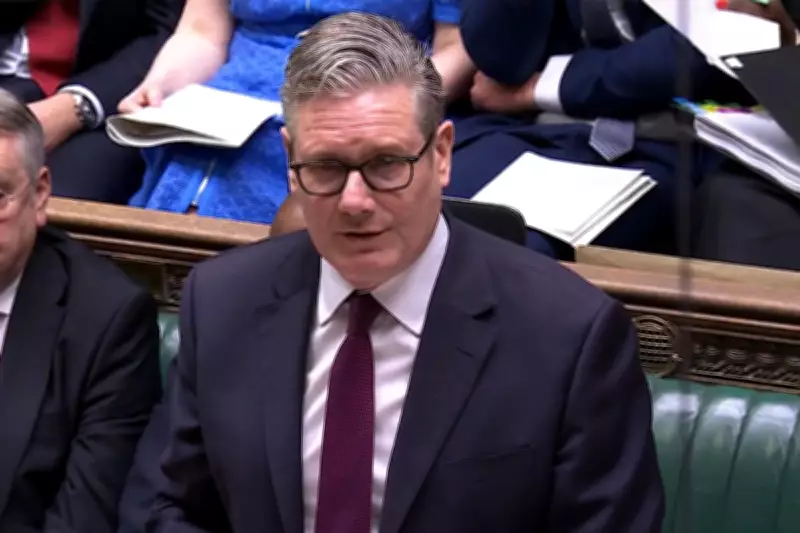
Prime Minister Sir Keir Starmer is poised to encounter substantial resistance from within his own party as the government confirms significant reductions to the overseas development aid (ODA) budget. The Foreign, Commonwealth & Development Office (FCDO) is expected to announce these cuts in parliament on Thursday, sparking discontent among Labour MPs who view the move as a departure from traditional party values.
Details of the Aid Cuts
The ODA budget, which was previously set at 0.5 percent of GDP, is scheduled to be reduced to 0.3 percent by the 2027/28 fiscal year. Specifically, the allocation will drop to 0.48 percent in 2025/26, then to 0.37 percent in 2026/27, before reaching the final target of 0.3 percent. This decision follows an initial reduction implemented by former Prime Minister Rishi Sunak after the Covid-19 pandemic, which lowered the budget from the international standard of 0.7 percent established under Tony Blair and maintained by David Cameron's Conservative government.
Growing Unease Among Labour MPs
Former international development minister Gareth Thomas, the Labour MP for Harrow West, has issued a stark warning about the implications of these cuts. He argues that reducing aid risks alienating key allies and hindering efforts to improve children's health and education in Commonwealth countries. Thomas emphasized that this policy could create opportunities for foreign powers, such as China, to fill the void left by the UK, undermining global security and soft power.

His intervention reflects broader unease on the Labour backbenches, where MPs are increasingly vocal about their dissatisfaction. The aid cuts are part of a series of issues causing internal strife, including recent comments by former deputy prime minister Angela Rayner on immigration policies, which she described as "un-British." This discontent is further fueled by Labour's recent electoral setbacks, such as losing the Gorton and Denton by-election to the Greens and placing third behind Reform in a previously safe seat.
Internal Party Discussions and Criticisms
Some Labour MPs are actively discussing the possibility of replacing Starmer in a bid to shift the party leftward. A senior backbencher noted that the aid cuts exemplify how the government has moved away from core Labour values. Additionally, key figures like international development committee chair Sarah Champion and business committee chair Liam Byrne have previously called for increased funding, advocating for a roadmap back to the 0.7 percent target.
The government has defended the cuts, citing the state of public finances inherited from the previous Conservative administration. However, this rationale has not mitigated criticism from both Labour and Tory MPs, including former minister Andrew Mitchell, who have attacked the decision.
Broader Context and Implications
This backlash comes at a critical time for the Labour Party, as it grapples with internal divisions and external challenges. The aid reductions are seen not only as a fiscal measure but also as a strategic misstep that could impact the UK's global influence and humanitarian efforts. With guaranteed funding remaining only for Ukraine, Palestine, the UK's Overseas Territories, and Sudan, many fear that other regions will suffer, potentially exacerbating global instability.
As the FCDO prepares its announcement, the Treasury has been approached for further comment, but responses are pending. The ongoing debate highlights the tension between economic constraints and international commitments, setting the stage for a contentious period in UK politics.