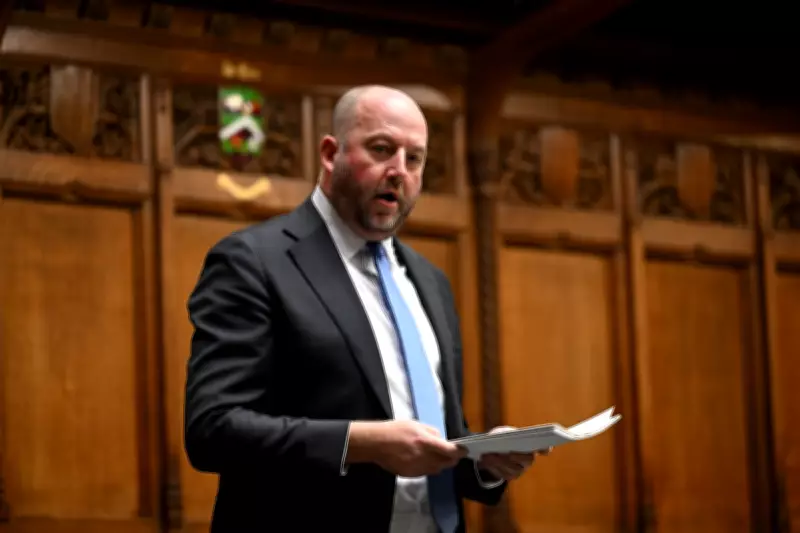
In a heated Prime Minister's Questions session, Sir Keir Starmer has demanded that Kemi Badenoch sack shadow justice secretary Nick Timothy over his controversial comments regarding Muslim public prayer. Mr Timothy described a mass Muslim prayer event in Trafalgar Square as an 'act of domination and division', sparking widespread condemnation and political debate.
Starmer's Strong Condemnation of Tory Remarks
Sir Keir Starmer labelled Nick Timothy's remarks as 'utterly appalling', drawing a direct comparison to the supportive reaction from far-right figure Tommy Robinson. He accused the Conservative Party of aligning with such views, stating that the Tories have a 'problem with Muslims'. The Labour leader highlighted that similar public religious events for other faiths are rarely criticised by the party, suggesting a double standard in their approach.
Badenoch's Defence of Timothy's Comments
In response, Kemi Badenoch defended Mr Timothy, asserting that he was 'defending British values'. She argued that while individuals are free to practise their faith, this should not lead to the exclusionary use of shared civic spaces. Her defence has further fuelled the political row, with critics accusing the Tories of fostering divisive rhetoric.
Public and Political Reactions to the Incident
The incident has ignited a broader discussion about religious freedom and public space in the UK. Many have expressed outrage over the characterisation of Muslim prayer as divisive, while others support the call for limits on religious displays in shared areas. The controversy comes amid ongoing tensions over multiculturalism and integration policies.
Sir Keir Starmer's call for dismissal underscores the deepening political divisions on issues of religion and identity. As the debate continues, it remains to be seen how this will impact public perception and future policy discussions surrounding religious practices in Britain.